Analysis Shows Majority of Zero-Hours Workers Have Been with Same Employer for Over a Year
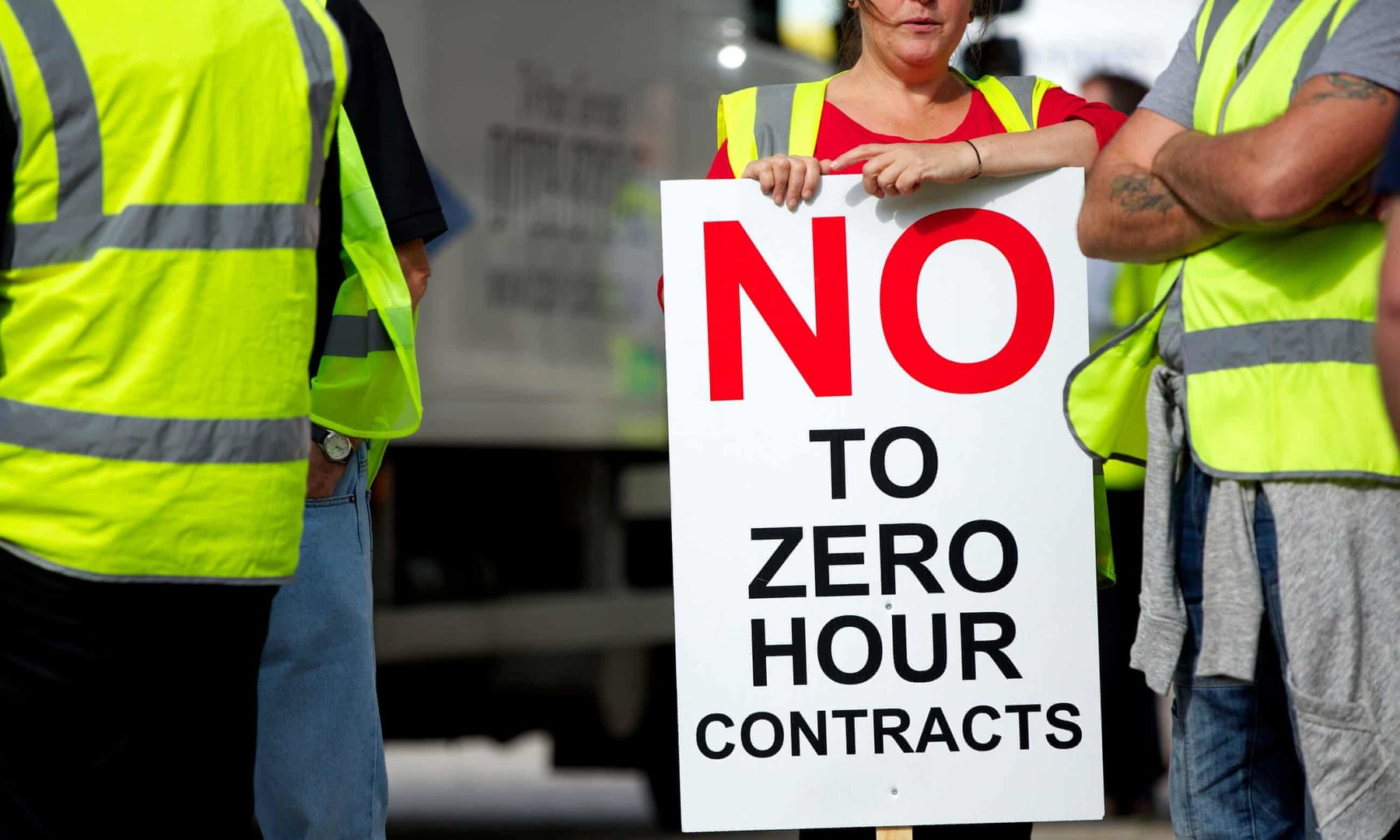
TUC analysis reveals that hundreds of thousands of UK workers are on zero-hours contracts despite long-term employment with the same employer.
An analysis by the Trades Union Congress (TUC) has revealed that a significant number of workers on zero-hours contracts in the UK have been with their employer for over a year.
The data, based on official labour force statistics, shows that approximately 720,000 of the over one million zero-hours workers have been employed by the same company for more than 12 months.
Around 130,000 workers have been retained on these contracts for more than a decade.
The TUC highlighted that a substantial portion of these workers, one in eight, have not been granted regular employment rights despite their long-term commitment.
The analysis comes at a time when unions are advocating for stronger rights for zero-hours contract workers, arguing that insecure work is limiting economic growth.
A government employment rights bill, introduced in October 2024, seeks to address these concerns by offering workers on zero-hours contracts the right to a guaranteed contract if they consistently work the same hours over an extended period.
However, the bill is not expected to become law until at least 2026.
The TUC's polling indicates that only a small percentage of zero-hours workers, approximately one in seven, are content with the lack of regular working hours.
In contrast, the average hourly wage for zero-hours workers, £10.68, is about a third lower than the median wage of £15.69.
The government's approach to zero-hours contracts has been criticized by some, including Conservative leader Kemi Badenoch, who expressed concerns that expanding employment rights would raise business costs and hinder job creation.
In response, the TUC argued that improving workers' rights would strengthen the labour market, increase productivity, and stimulate economic demand.
The government's forthcoming employment rights bill also aims to introduce several key reforms, including a right to guaranteed hours for zero-hours workers, payment for cancelled or rescheduled shifts, improved paternity leave, enhanced protection from unfair dismissal, and sick pay from the first day of illness.
The data, based on official labour force statistics, shows that approximately 720,000 of the over one million zero-hours workers have been employed by the same company for more than 12 months.
Around 130,000 workers have been retained on these contracts for more than a decade.
The TUC highlighted that a substantial portion of these workers, one in eight, have not been granted regular employment rights despite their long-term commitment.
The analysis comes at a time when unions are advocating for stronger rights for zero-hours contract workers, arguing that insecure work is limiting economic growth.
A government employment rights bill, introduced in October 2024, seeks to address these concerns by offering workers on zero-hours contracts the right to a guaranteed contract if they consistently work the same hours over an extended period.
However, the bill is not expected to become law until at least 2026.
The TUC's polling indicates that only a small percentage of zero-hours workers, approximately one in seven, are content with the lack of regular working hours.
In contrast, the average hourly wage for zero-hours workers, £10.68, is about a third lower than the median wage of £15.69.
The government's approach to zero-hours contracts has been criticized by some, including Conservative leader Kemi Badenoch, who expressed concerns that expanding employment rights would raise business costs and hinder job creation.
In response, the TUC argued that improving workers' rights would strengthen the labour market, increase productivity, and stimulate economic demand.
The government's forthcoming employment rights bill also aims to introduce several key reforms, including a right to guaranteed hours for zero-hours workers, payment for cancelled or rescheduled shifts, improved paternity leave, enhanced protection from unfair dismissal, and sick pay from the first day of illness.