

How to Create a Mood Board for Your Dream Interior Design
Embarking on a new interior design project, whether that's redecorating your living room or remodeling a bathroom, can be equally exciting and overwhelming. With so many decisions to make around paint colors, fabrics, furniture, and more, it can be difficult to know where to begin. One way to kickstart your design process is by creating a mood board to help organize your ideas.
This collage of inspiration, which can be digital or physical, provides a way to visualize and experiment with the design direction of your project. "Mood boards are an invaluable tool when it comes to designing a room or even updating it," says Tricia Guild, founder and creative director of London-based home furnishings company Designers Guild. "It is always useful to have a visual snapshot of how your space will look and flow."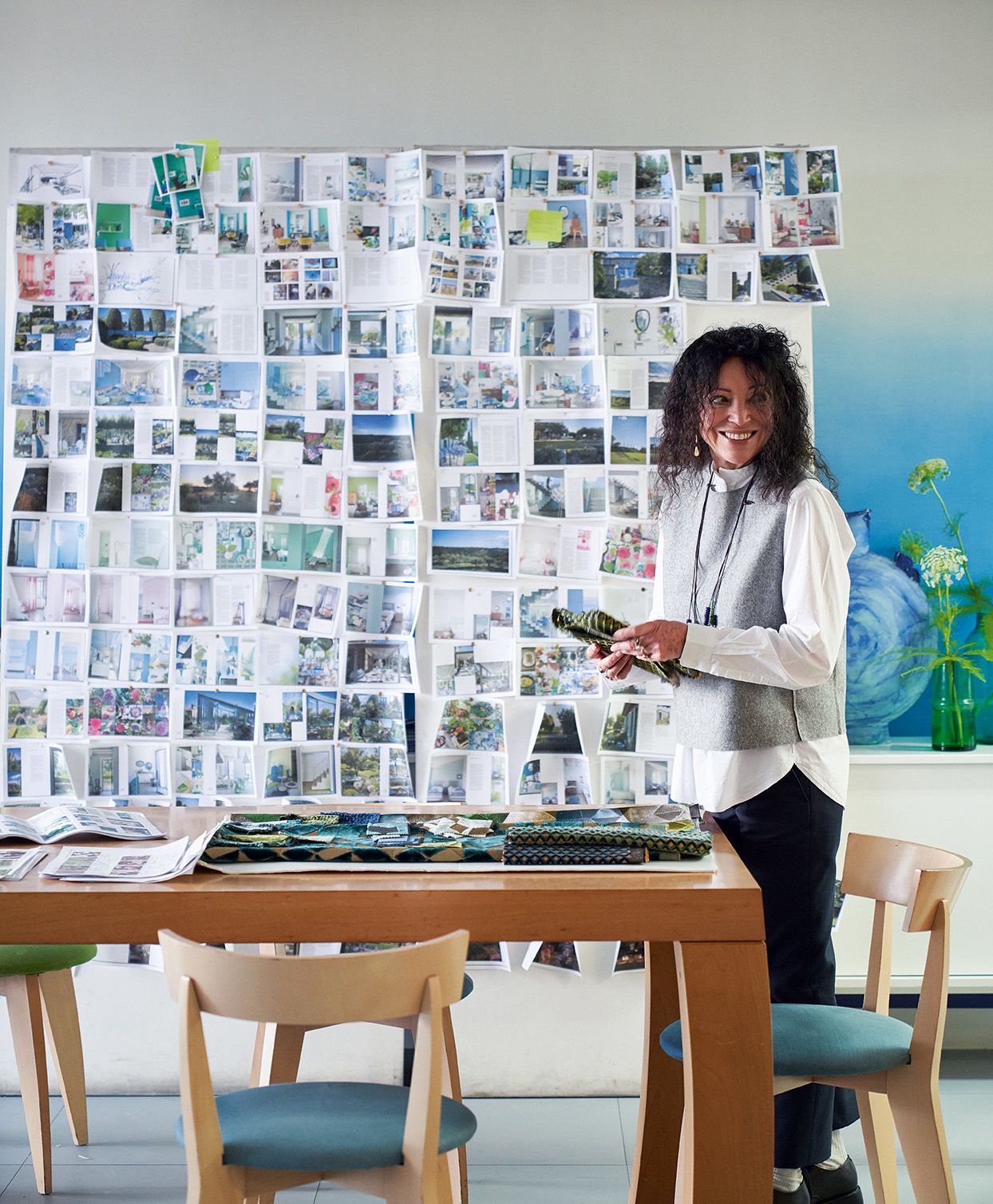
How to Create a Mood Board
A mood board helps you connect various design elements you love into one cohesive vision. "It is a way of refining your ideas and editing the look, a way of experimenting in a small scale before you commit to buying large quantities," Guild says. It's best to have a general idea of the overall aesthetic or color scheme for your project before you get started. Then follow these steps to create a mood board that helps bring your interior design dreams to life.
Step 1: Choose a method for creating your mood board.
If you prefer to see and touch items before making selections, opt for a physical mood board. Using tangible elements, such as paint chips and fabric samples, allows you to experience the colors and textures in person and make the most informed decisions. A digital mood board, on the other hand, opens up a much broader range of design possibilities because you can use virtually any image you find online as inspiration. Designers Guild has a handy online tool for creating your own mood board, or you can use programs like Adobe Photoshop or the free website Canva to craft one from scratch.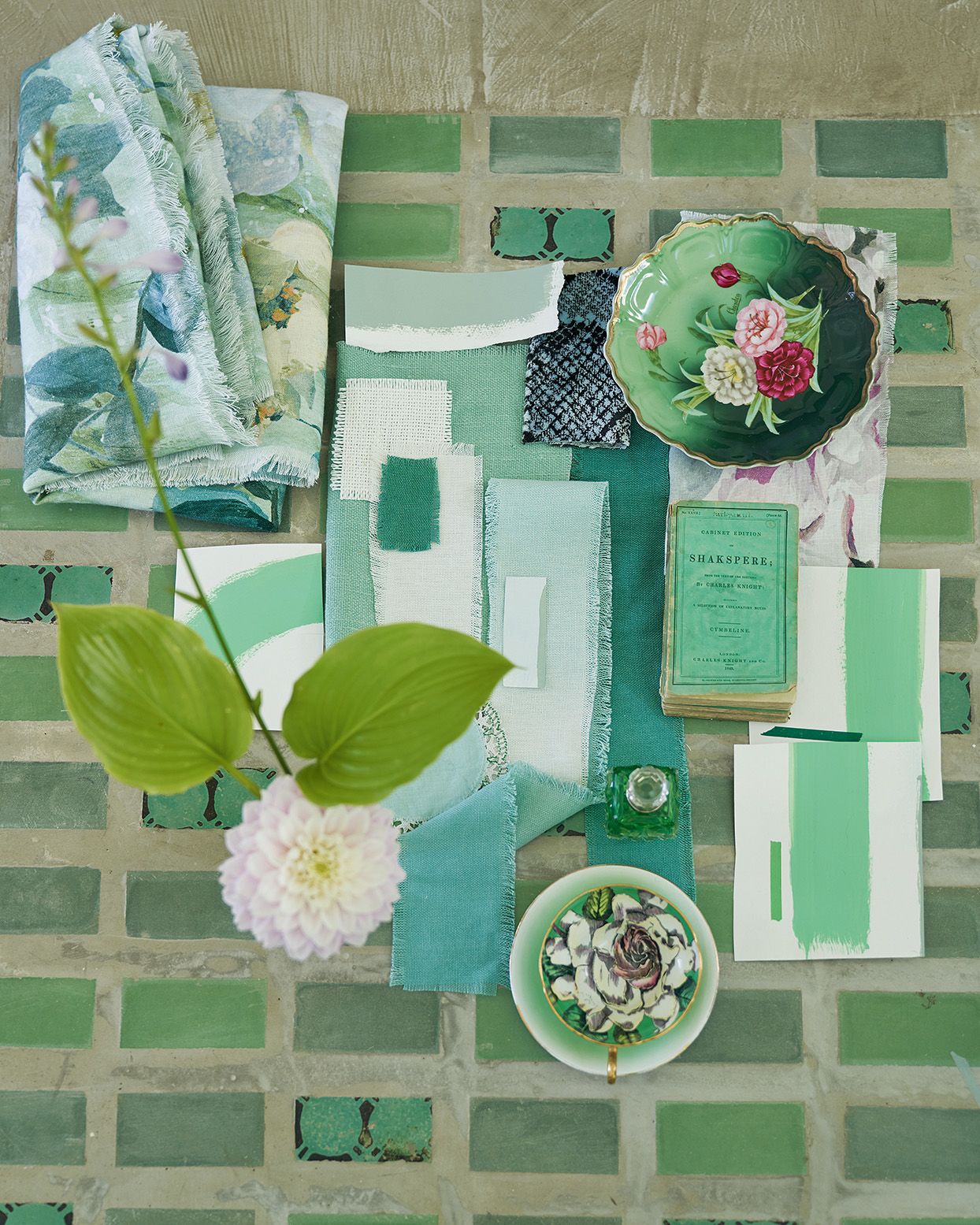
Step 2: Gather design inspiration.
Look to colors and patterns you love to guide your mood board concept. Think beyond interior design, too, and draw inspiration from aspects of the world around you, including fashion, art, and nature. If working digitally, copy and paste images you find online (Pinterest, Instagram, and interior design websites are good places to start) onto your mood board canvas. Shop around furniture and decor sites to find actual products that fit your aesthetic.
For a tactile approach, start with a specific object that appeals to you, such as an art print or a piece of vintage dishware, and build your mood board around that. Compile samples of fabric, wallpaper, tile, paint, or flooring from manufacturers and small accessories like hardware and fresh or faux greenery to play around with. "Include as many elements of color, texture, pattern, and furniture as you possibly can," Guild says.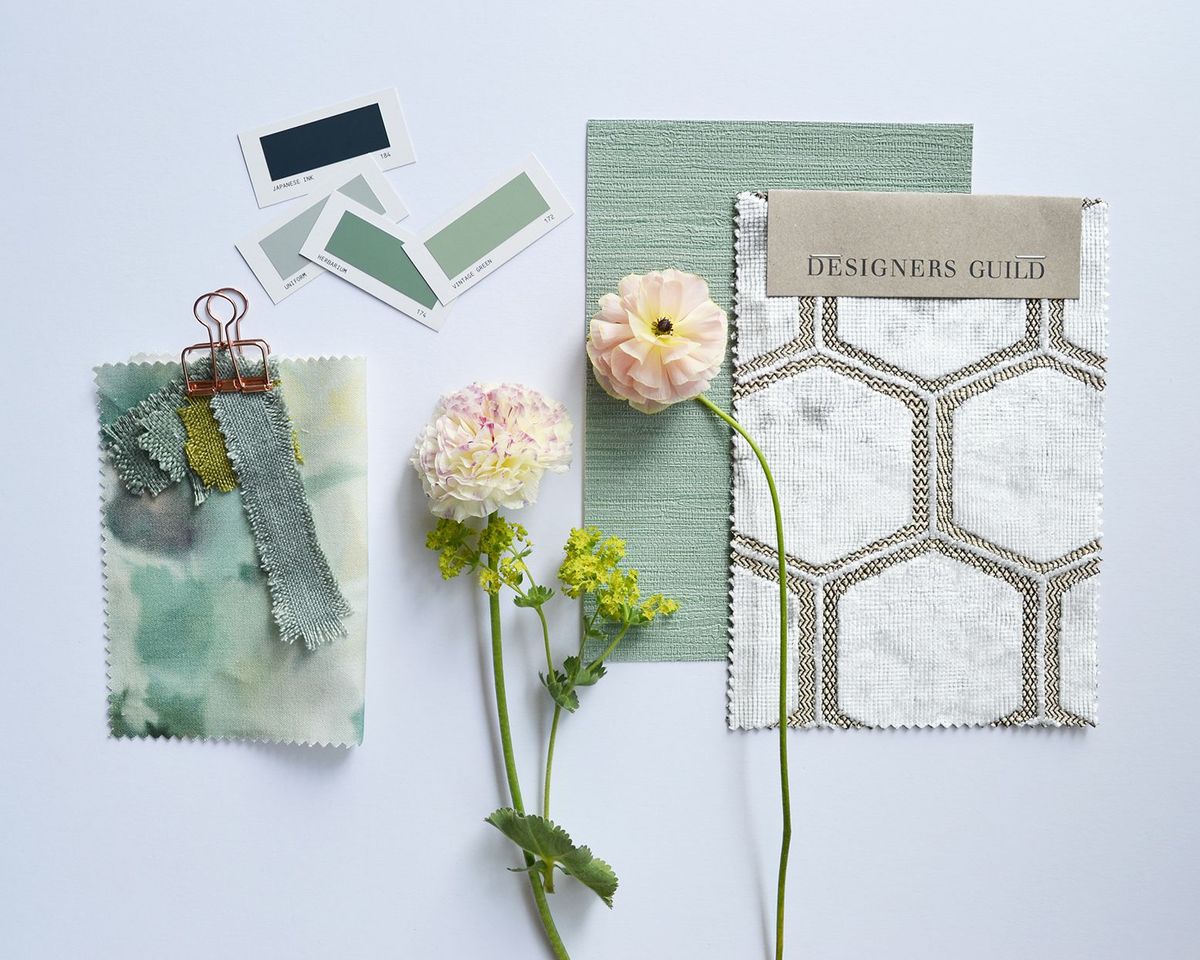
Step 3: Arrange and rearrange your mood board.
Shuffle around the various elements of your mood board, experimenting with different combinations of color, texture, and pattern. "Take your time but be confident," Guild says. As you arrange the items, try to keep them proportional to how they will appear in the actual room, she suggests. For example, a paint color that will coat all four walls of the room should feature prominently on the board, while a fabric that will cover only a few throw pillows should appear comparatively smaller.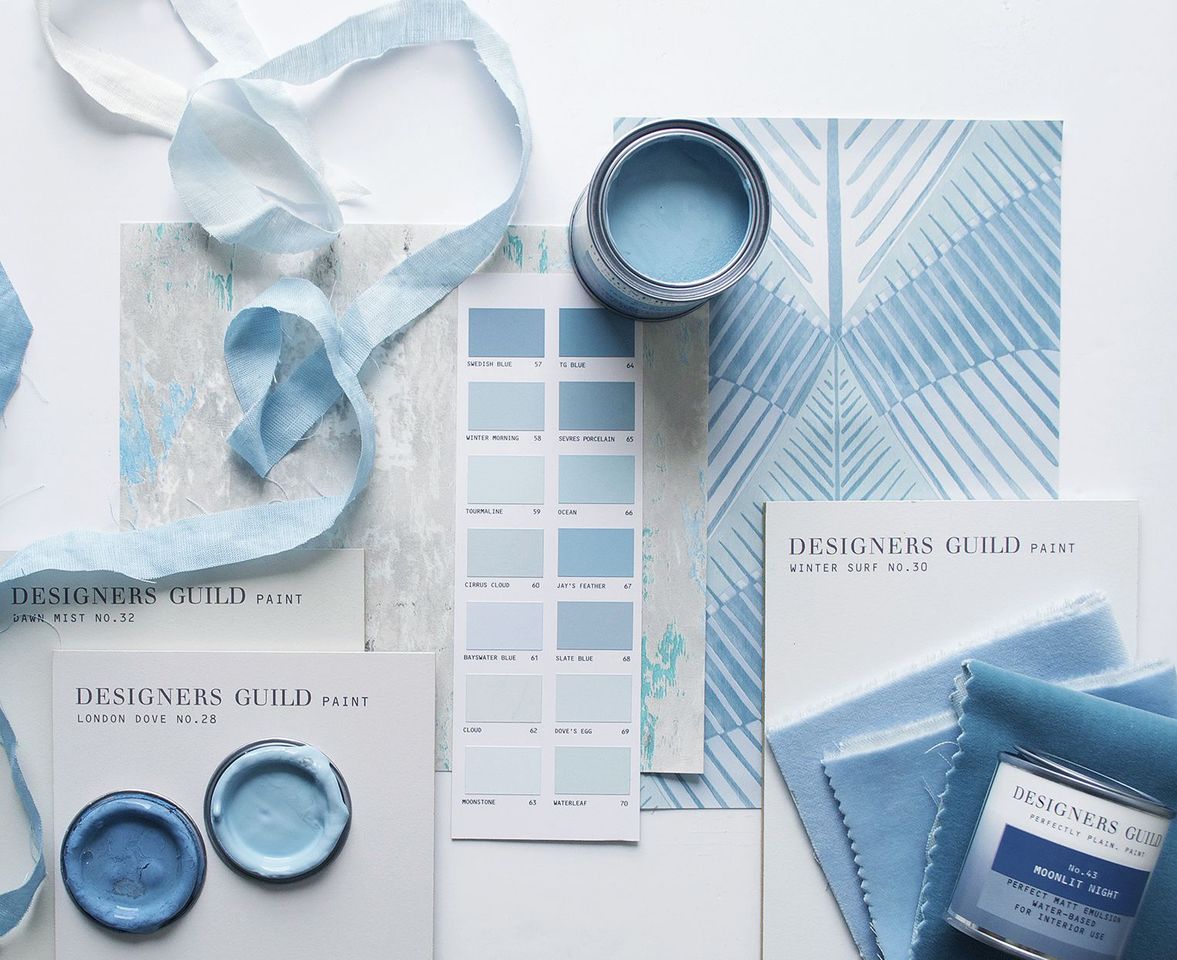
Step 4: Use the mood board to inform your design decisions.
Once your mood board is organized to your liking, it's time to start purchasing items and get to work in the actual room. "If it works and flows on your mood board, it will work in your space, provided you have used the elements in the appropriate scale," Guild says. Use your mood board as a roadmap while you shop for furnishings and materials, and reference it often as you start filling out the room. With a solid plan laid out in front of you, creating your dream room isn't so overwhelming after all.











