

Google to accept cryptocurrency exchange, wallet advertisements in August
Google will begin accepting advertisements of cryptocurrency exchanges and digital wallets targeting U.S. consumers on its platform beginning Aug. 3. The tech giant said it will update its financial products and services policy in August to "clarify the scope and requirements to allow the advertisement of cryptocurrency related business and services."
A cryptocurrency wallet is an app that allows users to store and retrieve their digital assets from crypto exchanges, such as Coinbase. Once stored in the digital wallet, a user can then use those holdings to make transactions.
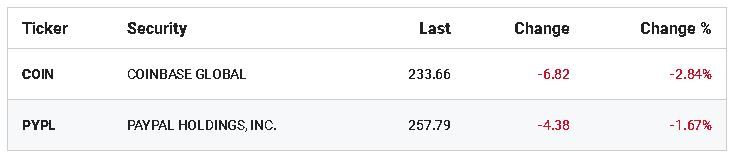
Coinbase recently announced that select customers will be able to begin using the Coinbase Card, a Visa debit card that offers up to 4% back in crypto rewards on everyday purchases, with digital wallets Apple Pay and Google Pay starting this week. Meanwhile, PayPal said last week that it was developing a withdrawal function to allow its users to move their cryptocurrencies into digital wallets.
Advertisers with cryptocurrency
exchange and wallet offerings must meet Google's certification requirements, including registering with the Financial Crimes Enforcement Network as a Money Services Business, and with at least one state as a money transmitter, or a federal or state chartered bank entity.
They must also ensure that their ads and landing pages are complying with state and federal legal requirements and all Google ad policies.
In addition, advertisers will be required to request a new "Cryptocurrency Exchanges and Wallets certification" with Google through an application form that will be available beginning July 8. Prior cryptocurrency exchange certifications will be revoked on Aug. 3.
In March 2018, Google, Facebook and Twitter all said they would ban or restrict advertisements related to cryptocurrencies in an attempt to crack down on fraud.
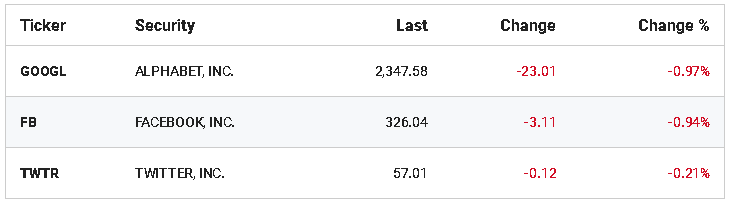
Facebook later announced it was reversing its ban, allowing ads that promote cryptocurrency and related content from pre-approved advertisers. Google immediately followed suit, announcing in October 2018 that it would allow regulated cryptocurrency exchanges to advertise in the United States and Japan.
Under Google's revised advertising policy, ads for initial coin offerings, decentralized finance, or DeFi, trading protocols, and promoting the purchase, sale, or trade of cryptocurrencies or related products are prohibited. Examples include initial coin offering pre-sales or public offerings, cryptocurrency loans, initial DEX offerings, token liquidity pools, celebrity cryptocurrency endorsements, unhosted wallets and unregulated decentralized apps.
Ad destinations that aggregate or compare issuers of cryptocurrencies or related products will also be prohibited. Examples include cryptocurrency trading signals, cryptocurrency investment advice, aggregators or affiliate sites containing related content or broker reviews.
"As a reminder, we expect all advertisers to comply with the local laws for any area that their ads target," Google said in a statement. "This policy will apply globally to all accounts that advertise these financial products."
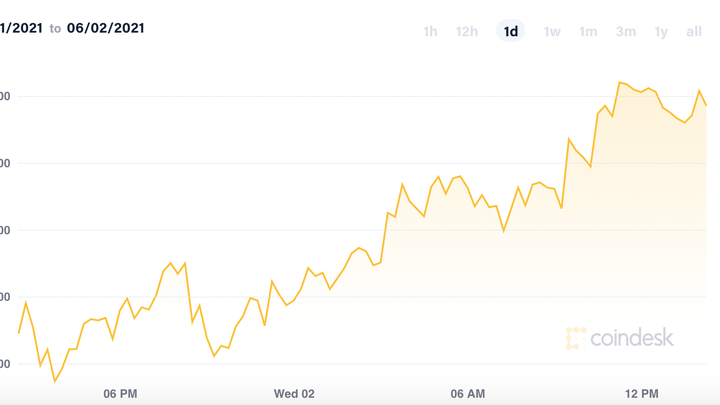
Cryptocurrencies have rallied Wednesday, with Bitcoin currently trading near $37,000 per coin, and rivals Ethereum and Dogecoin trading near $2,700 and 40 cents per coin, respectively, according to prices tracked by Coindesk.











