

In Japan, more people died from suicide last month than from Covid in all of 2020
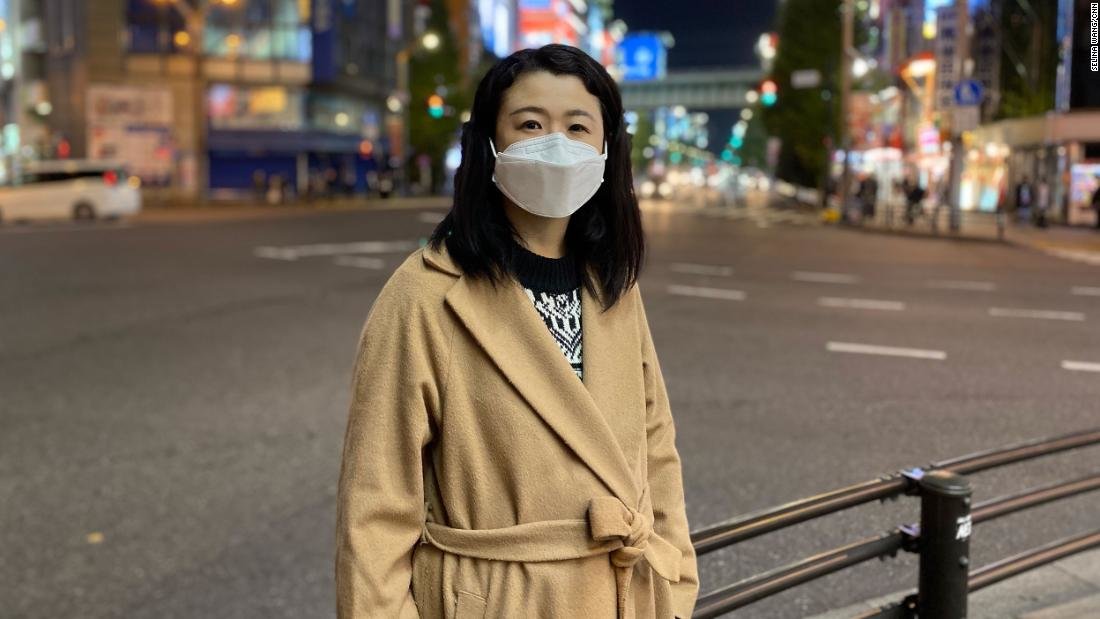
Eriko Kobayashi has tried to kill herself four times.
The first time, she was just 22 years old with a full-time job in publishing that didn't pay enough to cover her rent and grocery bills in Tokyo. "I was really poor," said Kobayashi, who spent three days unconscious in hospital after the incident.
Now 43, Kobayashi has written books on her mental health struggles and has a steady job at an NGO. But the coronavirus is bringing back the stress she used to feel.
"My salary was cut, and I cannot see the light at the end of the tunnel," she said. "I constantly feel a sense of crisis that I might fall back into poverty."
Experts have warned that the pandemic could lead to a mental health crisis. Mass unemployment, social isolation, and anxiety are taking their toll on people globally.
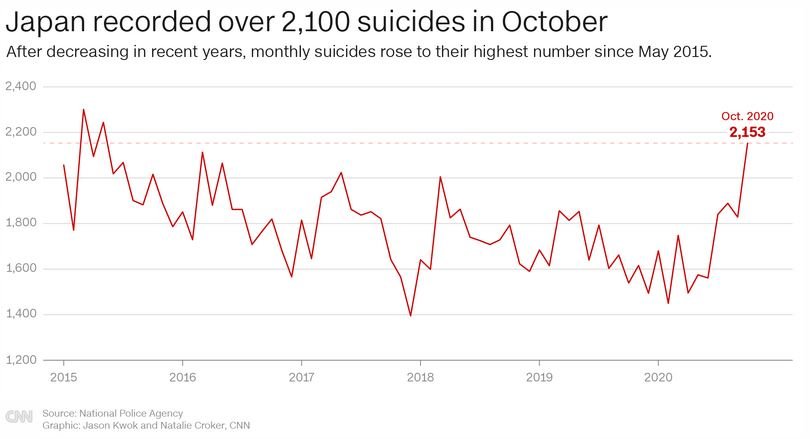
In Japan, government statistics show suicide claimed more lives in October than Covid-19 has over the entire year to date. The monthly number of Japanese suicides rose to 2,153 in October, according to Japan's National Police Agency. As of Friday, Japan's total Covid-19 toll was 2,087, the health ministry said.
Japan is one of the few major economies to disclose timely suicide data -- the most recent national data for the US, for example, is from 2018. The Japanese data could give other countries insights into the impact of pandemic measures on mental health, and which groups are the most vulnerable.
"We didn't even have a lockdown, and the impact of Covid is very minimal compared to other countries ... but still we see this big increase in the number of suicides," said Michiko Ueda, an associate professor at Waseda University in Tokyo, and an expert on suicides.
"That suggests other countries might see a similar or even bigger increase in the number of suicides in the future."
Covid's toll on women
Japan has long struggled with one of the highest suicide rates in the world, according to the World Health Organization. In 2016, Japan had a suicide mortality rate of 18.5 per 100,000 people, second only to South Korea in the Western Pacific region and almost triple the annual global average of 10.6 per 100,000 people.
While the reasons for Japan's high suicide rate are complex, long working hours, school pressure, social isolation and a cultural stigma around mental health issues have all been cited as contributing factors.
But for the 10 years leading up to 2019, the number of suicides had been decreasing in Japan, falling to about 20,000 last year, according to the health ministry -- the lowest number since the country's health authorities started keeping records in 1978.
The pandemic appears to have reversed that trend, and the rise in suicides has disproportionately affected women. Although they represent a smaller proportion of total suicides than men, the number of women taking their own lives is increasing. In October, suicides among women in Japan increased almost 83% compared to the same month the previous year. For comparison, male suicides rose almost 22% over the same time period.
There are several potential reasons for this. Women make up a larger percentage of part-time workers in the hotel, food service and retail industries -- where layoffs have been deep. Kobayashi said many of her friends have been laid off. "Japan has been ignoring women," she said. "This is a society where the weakest people are cut off first when something bad happens."
In a global study of more than 10,000 people, conducted by non-profit international aid organization CARE, 27% of women reported increased challenges with mental health during the pandemic, compared to 10% of men.
Compounding those worries about income, women have been dealing with skyrocketing unpaid care burdens, according to the study. For those who keep their jobs, when children are sent home from school or childcare centers, it often falls to mothers to take on those responsibilities, as well as their normal work duties.
Increased anxiety about the health and well-being of children has also put an extra burden on mothers during the pandemic.
Akari, a 35-year-old who did not want to use her real name, said she sought professional help this year when her premature son was hospitalized for six weeks. "I was pretty much worried 24 hours," Akari said. "I didn't have any mental illness history before, but I could see myself really, really anxious all the time."
Her feelings got worse as the pandemic intensified, and she worried her son would get Covid-19.
"I felt there was no hope, I felt like I always thought about the worst-case scenario," she said.
"A Place for You"
In March, Koki Ozora, a 21-year-old university student, started a 24-hour mental health hotline called Anata no Ibasho (A Place for You). He said the hotline, a nonprofit funded by private donations, receives an average of over 200 calls a day, and that the vast majority of callers are women.
"They lost their jobs, and they need to raise their kids, but they didn't have any money," Ozora said. "So, they attempted suicide."
Most of the calls come through the night -- from 10 p.m. to 4 a.m. The nonprofit's 600 volunteers live around the world in different timezones and are awake to answer them. But there aren't enough volunteers to keep up with the volume of messages, Ozora said.
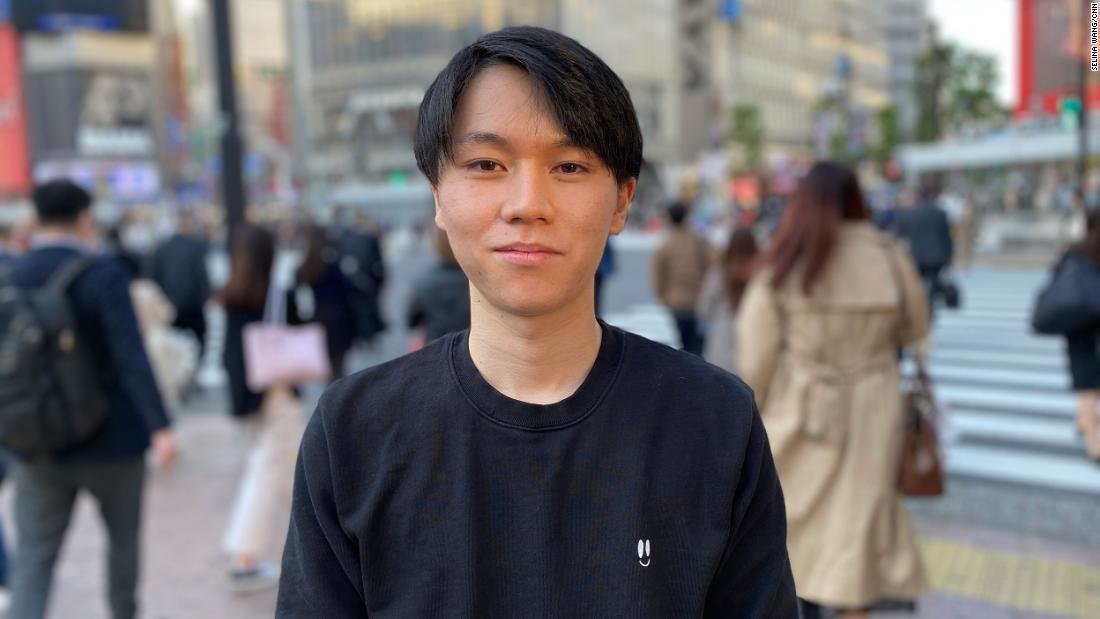
They prioritize the texts that are most urgent -- looking for keywords such as suicide or sexual abuse. He said they respond to 60% of texts within five minutes, and volunteers spend an average of 40 minutes with each person.
Anonymously, over online messaging, people share their deepest struggles. Unlike most mental health hotlines in Japan, which take requests over the phone, Ozora says many people -- especially the younger generation -- are more comfortable asking for help via text.
In April, he said the most common messages were from mothers who were feeling stressed about raising their kids, with some confessing to thoughts of killing their own children. These days, he says messages from women about job losses and financial difficulties are common -- as well as domestic violence.
"I've been accepting messages, like 'I'm being raped by my father' or 'My husband tried to kill me,'" Ozora said. "Women send these kinds of texts almost every day. And it's increasing." He added that the spike in messages is because of the pandemic. Before, there were more places to "escape," like schools, offices or friend's homes.
Pressure on children
Japan is the only G-7 country where suicide is the leading manner of death for young people aged 15 to 39. And suicides among those under 20 had been increasing even before the pandemic, according to health ministry.
As pandemic restrictions take children out of school and social situations, they're dealing with abuse, stressful home lives, and pressures from falling behind on homework, Ozora said. Some children as young as five years old had messaged the hotline, he added.
School closures during the pandemic in the spring have contributed to homework piling up; kids also have less freedom to see friends, which is also contributing to stress, according to Naho Morisaki, of the National Center for Child Health and Development. The center recently conducted an internet survey of more than 8,700 parents and children and found that 75% of Japanese schoolchildren showed signs of stress due to the pandemic.
Morisaki says he thinks there's a big correlation between the anxiety of children and their parents. "The children who are self-injuring themselves have the stress, and then they can't speak out to their family because probably they see that their moms or dads are not able to listen to them."
Stigma of solving the problem
In Japan, there is still a stigma against admitting loneliness and struggle. Ozora said it's common for women and parents to start the conversation with his service with the phrase: "I know it's bad to ask for help, but can I talk?"
Ueda says the "shame" of talking about depression often holds people back.
"It's not something that you talk about in public, you don't talk about it with friends or anything," she said. "(It) could lead to a delay in seeking help, so that's one potential cultural factor that we have in here."
Akari, the mother of the premature baby, agrees. She had previously lived in the US, where she says it seems easier to seek help. "When I lived in America, I knew people who went through therapy, and it's a more common thing to do, but in Japan it's very difficult," she said.
Following the financial crisis in the 1990s, Japan's suicide rate surged to a record high in 2003, when roughly 34,000 people took their own lives. Experts say the shame and anxiety from layoffs, of mostly men at the time, contributed to depression and increased suicide rates. In the early 2000s, the Japanese government accelerated investment and efforts around suicide prevention and survivor support, including passing the Basic Act for Suicide Prevention in 2006 to provide support to those affected by the issue.
But both Ozora and Kobayashi say it has not been nearly enough: reducing the suicide rate requires Japanese society to change.
"It's shameful for others to know your weakness, so you hide everything, hold it in yourself, and endure," Kobayashi said. "We need to create the culture where it's OK to show your weakness and misery."
Celebrity suicides
A succession of Japanese celebrities have taken their lives in recent months. While the Japanese media rarely details the specifics of such deaths -- deliberately not dwelling on method or motive -- the mere reporting on these cases often causes an increase in suicide in the general public, according to experts such as Ueda.
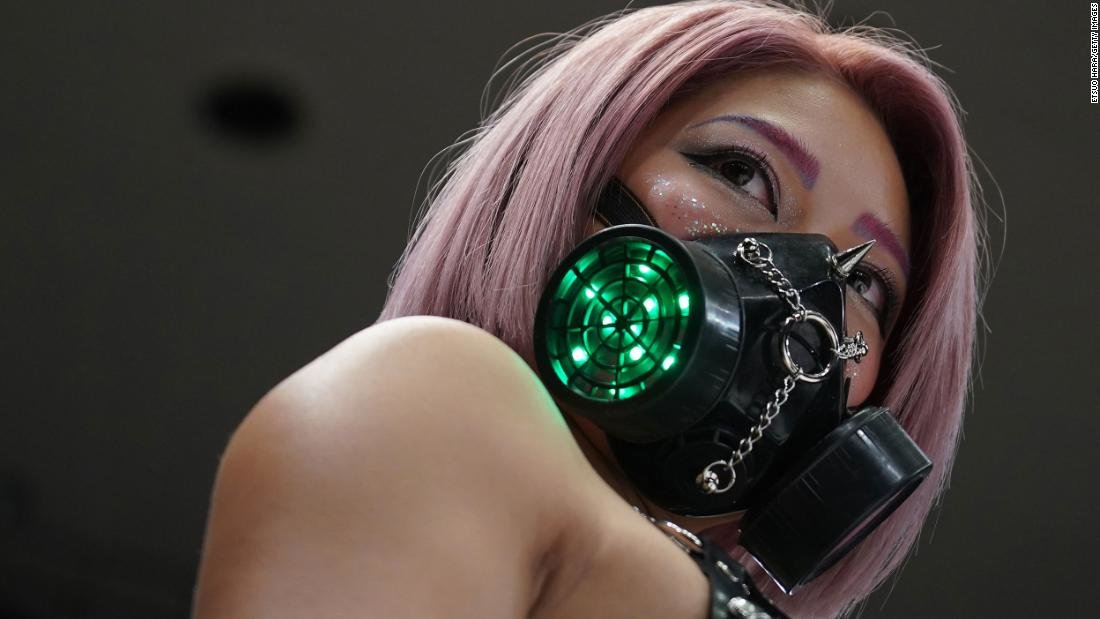
Hana Kimura, a 22-year-old professional wrestler and star of the reality show "Terrace House," died by suicide over the summer, after social media users bombarded her with hateful messages. Hana's mother, Kyoko Kimura, says she was conscious that media reports on her daughter's death may have affected others who were feeling suicidal.
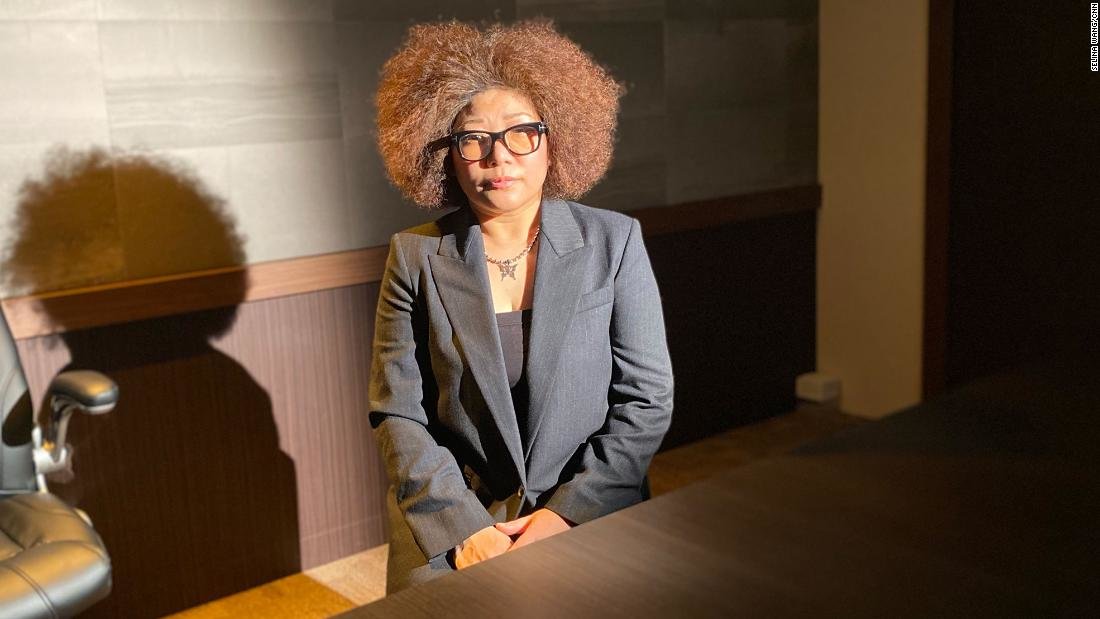
"When Hana died, I asked the police repeatedly not to disclose any concrete situation of her death, but still, I see the reporting of information only the police knew," Kimura said. "It's a chain reaction of grief."
Kimura said the pandemic led her daughter to spend more time reading toxic social media messages, as she was unable to wrestle because of coronavirus restrictions. Kimura is now setting up an NGO called "Remember Hana" to raise awareness about cyberbullying.
"She found her reason to live by fighting as a professional wrestler. It was a big part of her. She was in a really tough situation as she could not wrestle," Kimura said. "The coronavirus pandemic made society more suffocating."
The third wave
In recent weeks, Japan has reported record-high daily Covid-19 cases, as doctors warn of a third wave that could intensify in the winter months. Experts worry that the high suicide rate will get worse as the economic fallout continues.
"We haven't even experienced the full economic consequences of the pandemic," Ueda said. "The pandemic itself can get worse, then maybe there's a semi-lockdown again; if that happens, then the impact can be huge."
Compared with some other nations, Japan's coronavirus restrictions have been relatively relaxed. The country declared a state of emergency but has never imposed a strict lockdown, for example, and its quarantine restrictions for international arrivals have not been as unbending as those in China.
But as cases rise, some worry harsher restrictions will be needed -- and are concerned about how that could affect mental health.
"We didn't even have a lockdown, and the impact of Covid is very minimal compared to other countries ... but still we see this big increase in the number of suicides," Ueda said. "That suggests other countries might see a similar or even bigger increase in the number of suicides in the future."
Despite having to deal with a salary cut and constant financial insecurity, Kobayashi says she is now much better at managing her anxiety. She hopes that by speaking publicly about her fears, more people will do the same and realize they are not alone, before it's too late.
"I come out to the public and say that I have been mentally ill and suffered from depression in the hope that others might be encouraged to speak out," Kobayashi said. "I am 43 now and life starts to get more fun in the middle of my life. So, I feel it's good that I am still alive."











