0:00
0:00
Iran War and Energy Shock Shake Britain’s Economy and Political Debate
Rising oil prices and geopolitical tension tied to the Iran conflict trigger economic anxiety and fresh political divisions across the United Kingdom
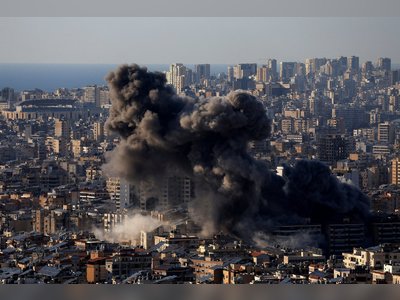
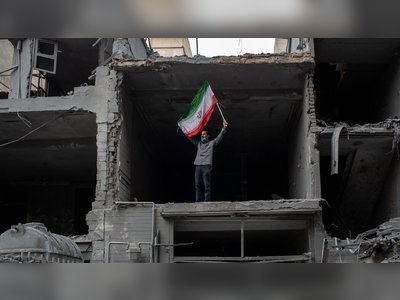
The conflict involving Iran has begun to reverberate across Britain’s economy, driving energy costs higher and intensifying political debate over the country’s role in a rapidly shifting global security landscape.
Rising oil prices linked to disruptions in the Persian Gulf have become a central concern for policymakers and households alike.
The Strait of Hormuz, through which roughly a fifth of the world’s oil passes, has seen tanker traffic disrupted during the confrontation with Iran, pushing crude prices above one hundred dollars per barrel and lifting fuel costs across international markets.
For the United Kingdom, which remains heavily dependent on imported energy, the surge has translated into higher petrol prices, mounting inflation risks and renewed pressure on household budgets.
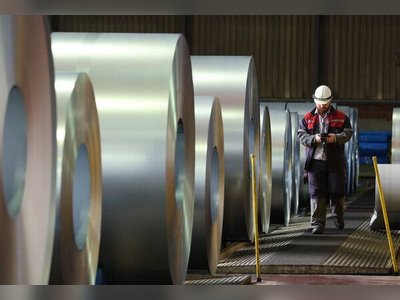
Analysts warn that sustained disruption to shipping through the Gulf could ripple across the economy, raising costs for transportation, manufacturing and food production.
Financial markets have already begun reacting to the uncertainty.
Mortgage rates have climbed and lenders have shortened the availability of fixed-rate products, reflecting expectations that energy-driven inflation could force tighter monetary policy.
At the same time, businesses across Europe, including those in Britain, are warning that higher fuel and raw-material costs could undermine fragile economic growth.
The geopolitical dimension of the crisis has also exposed divisions among Western allies.
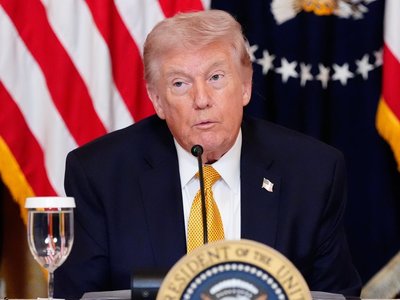
President Donald Trump has urged partner nations to contribute naval support to keep the Strait of Hormuz open and protect global shipping, arguing that safeguarding one of the world’s most vital trade routes is a shared international responsibility.
His administration has emphasized that maintaining free navigation in the region is essential for global energy stability and economic security.
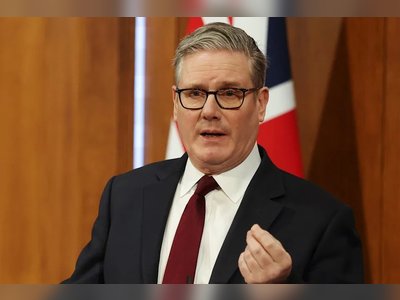
Britain’s government has taken a more cautious stance, emphasizing de-escalation while considering defensive maritime measures to protect shipping.
Officials say the country is working with partners to ensure commercial vessels can move safely through the corridor without committing to deeper military involvement in the conflict.
The economic consequences of the crisis are now feeding into domestic political debate in Britain.
With inflation pressures rising and living costs already a major concern for voters, the government faces difficult choices about how to shield households while managing fiscal constraints.
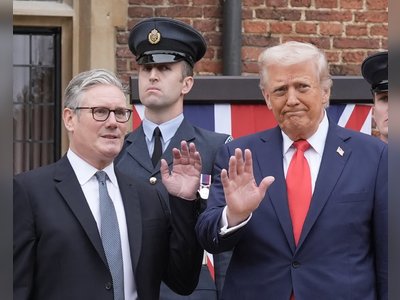
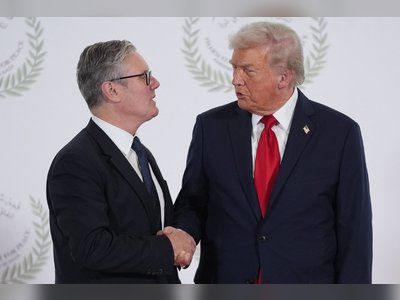
At the same time, the situation has sparked broader discussion about Britain’s strategic alignment and its relationship with the United States and European partners.
Some political figures argue that the country should strengthen cooperation with allies to stabilize global trade routes, while others warn against being drawn into a wider regional conflict.
As the Iran confrontation continues to reshape global energy markets and diplomatic alliances, the economic and political aftershocks are likely to remain a defining issue in British public life for months to come.
Rising oil prices linked to disruptions in the Persian Gulf have become a central concern for policymakers and households alike.
The Strait of Hormuz, through which roughly a fifth of the world’s oil passes, has seen tanker traffic disrupted during the confrontation with Iran, pushing crude prices above one hundred dollars per barrel and lifting fuel costs across international markets.
For the United Kingdom, which remains heavily dependent on imported energy, the surge has translated into higher petrol prices, mounting inflation risks and renewed pressure on household budgets.
Analysts warn that sustained disruption to shipping through the Gulf could ripple across the economy, raising costs for transportation, manufacturing and food production.
Financial markets have already begun reacting to the uncertainty.
Mortgage rates have climbed and lenders have shortened the availability of fixed-rate products, reflecting expectations that energy-driven inflation could force tighter monetary policy.
At the same time, businesses across Europe, including those in Britain, are warning that higher fuel and raw-material costs could undermine fragile economic growth.
The geopolitical dimension of the crisis has also exposed divisions among Western allies.
President Donald Trump has urged partner nations to contribute naval support to keep the Strait of Hormuz open and protect global shipping, arguing that safeguarding one of the world’s most vital trade routes is a shared international responsibility.
His administration has emphasized that maintaining free navigation in the region is essential for global energy stability and economic security.
Britain’s government has taken a more cautious stance, emphasizing de-escalation while considering defensive maritime measures to protect shipping.
Officials say the country is working with partners to ensure commercial vessels can move safely through the corridor without committing to deeper military involvement in the conflict.
The economic consequences of the crisis are now feeding into domestic political debate in Britain.
With inflation pressures rising and living costs already a major concern for voters, the government faces difficult choices about how to shield households while managing fiscal constraints.
At the same time, the situation has sparked broader discussion about Britain’s strategic alignment and its relationship with the United States and European partners.
Some political figures argue that the country should strengthen cooperation with allies to stabilize global trade routes, while others warn against being drawn into a wider regional conflict.
As the Iran confrontation continues to reshape global energy markets and diplomatic alliances, the economic and political aftershocks are likely to remain a defining issue in British public life for months to come.