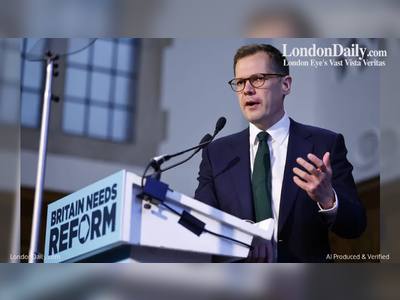
Prime Minister Andy Burnham Praised Extinction Rebellion for Doing a 'Great Service'
Comments from 2019 show Burnham crediting the climate movement with pushing the issue up the political agenda, while also warning that disruptive protests risked making climate action divisive.
Prime Minister Andy Burnham praised Extinction Rebellion for doing a "great service" by forcing climate change higher up the political agenda when he was mayor of Greater Manchester, comments from 2019 that have resurfaced as his government faces decisions over energy policy and renewed pressure from environmental campaigners.
Burnham made the remarks during a public question-and-answer event in October 2019, when Extinction Rebellion was carrying out a major campaign of civil disobedience in London.
The movement had occupied roads and public spaces, targeted financial and government districts and disrupted transport as it demanded much faster action on climate change.
Burnham did not give an unqualified endorsement of the group's tactics.
He said some of the events in London had worried him because disruptive action risked turning climate change into a divisive political issue.
But he credited the movement with forcing an issue that had struggled for attention during years dominated by Brexit back into national debate.
"They've done in many ways a great service in getting these issues right up there," Burnham told the event.
When a member of the public suggested that Extinction Rebellion would ultimately be regarded as being on the right side of history, comparing the movement with the Suffragettes, Burnham responded that the speaker was making a fair point.
The context was one of the most confrontational periods of environmental protest in modern Britain.
During October 2019, Extinction Rebellion coordinated days of action across London, including protests around Parliament, the Bank of England and London City Airport.
Activists blocked roads and bridges, while one particularly controversial action involved protesters climbing onto Underground trains during the morning rush hour.
Angry commuters pulled one activist from the roof of a train at Canning Town.
Extinction Rebellion also brought its campaign to Manchester.
Demonstrators occupied part of Deansgate during protests in August and September 2019, creating a temporary camp on one of the city's principal roads.
The movement's strategy deliberately relied on peaceful civil disobedience and disruption to force governments to respond to what it described as a climate and ecological emergency.
The scale of the policing response was substantial.
Across major Extinction Rebellion protest periods in April and October 2019 and September 2020, thousands of arrests were made, while policing costs ran into tens of millions of pounds.
The tactics created a lasting political argument over where the right to protest should end when demonstrations deliberately interfere with transport, businesses and the daily lives of people who are not their intended targets.
That distinction is central to understanding Burnham's comments.
His 2019 remarks praised Extinction Rebellion's success in raising the political prominence of climate change, while simultaneously expressing concern about actions that could alienate the public.
They do not establish that he endorsed every blockade, transport disruption or unlawful act subsequently carried out by members of the movement.
The Conservatives are nevertheless demanding that Burnham, now Prime Minister, distance himself explicitly from Extinction Rebellion's disruptive tactics.
Shadow home secretary Chris Philp argued that political questions in Britain should be settled through debate and elections rather than deliberate disruption and called on Burnham to condemn blockading cities and criminal damage.
The resurfaced comments have acquired greater political significance because Burnham is no longer a regional mayor commenting on an activist movement.
He became Prime Minister on July 20, 2026, after returning to Parliament as the MP for Makerfield and succeeding Keir Starmer as Labour leader.
He is now responsible for a government confronting the same fundamental conflict between climate commitments, energy security, household costs and domestic fossil-fuel production.
Since entering Downing Street, Burnham has signalled that his approach to North Sea oil and gas will be pragmatic.
That position puts him under pressure from environmental groups seeking to prevent further development of projects including Rosebank and Jackdaw, while the government must also contend with concerns about energy prices, investment, employment and Britain's future energy supply.
The debate has become more immediate as exceptionally hot and dry conditions have contributed to serious wildfires across parts of Britain.
More than 1,000 wildfires have been recorded in 2026, homes have been destroyed and military personnel have been deployed to assist firefighting operations in South Wales.
The conditions have pushed climate resilience and environmental policy back toward the center of national politics.
Extinction Rebellion emerged in Britain in 2018 and rapidly became one of the country's most visible climate protest movements.
Its early campaigns sought to force the government to acknowledge the scale of the climate emergency, reduce greenhouse-gas emissions more rapidly and establish citizens' assemblies to guide environmental policy.
Its willingness to use mass arrests and deliberate disruption as political tools distinguished it from conventional environmental lobbying.
The movement's methods have remained controversial even among people who support stronger action on climate change.
Supporters argue that conventional political pressure had failed to produce action proportionate to the environmental threat and that disruptive movements throughout history have often accelerated political change.
Critics argue that blocking roads, interfering with public transport and disrupting ordinary people can undermine public support for the cause itself.
Burnham's remarks from 2019 placed him between those positions.
He acknowledged the movement's effectiveness in making climate change politically unavoidable while warning that some of its methods could turn the issue into a cultural and political dividing line.
Seven years later, that distinction is being tested from Downing Street rather than Manchester.
Burnham's government must now decide how far Britain's climate commitments should shape decisions on North Sea energy projects, while opposition parties are using his earlier praise of Extinction Rebellion to demand a clearer statement on disruptive environmental protest.
The resurfaced remarks therefore matter less as evidence of blanket support for the movement's tactics than as a record of Burnham crediting activist pressure with changing Britain's political conversation on climate change.
Burnham made the remarks during a public question-and-answer event in October 2019, when Extinction Rebellion was carrying out a major campaign of civil disobedience in London.
The movement had occupied roads and public spaces, targeted financial and government districts and disrupted transport as it demanded much faster action on climate change.
Burnham did not give an unqualified endorsement of the group's tactics.
He said some of the events in London had worried him because disruptive action risked turning climate change into a divisive political issue.
But he credited the movement with forcing an issue that had struggled for attention during years dominated by Brexit back into national debate.
"They've done in many ways a great service in getting these issues right up there," Burnham told the event.
When a member of the public suggested that Extinction Rebellion would ultimately be regarded as being on the right side of history, comparing the movement with the Suffragettes, Burnham responded that the speaker was making a fair point.
The context was one of the most confrontational periods of environmental protest in modern Britain.
During October 2019, Extinction Rebellion coordinated days of action across London, including protests around Parliament, the Bank of England and London City Airport.
Activists blocked roads and bridges, while one particularly controversial action involved protesters climbing onto Underground trains during the morning rush hour.
Angry commuters pulled one activist from the roof of a train at Canning Town.
Extinction Rebellion also brought its campaign to Manchester.
Demonstrators occupied part of Deansgate during protests in August and September 2019, creating a temporary camp on one of the city's principal roads.
The movement's strategy deliberately relied on peaceful civil disobedience and disruption to force governments to respond to what it described as a climate and ecological emergency.
The scale of the policing response was substantial.
Across major Extinction Rebellion protest periods in April and October 2019 and September 2020, thousands of arrests were made, while policing costs ran into tens of millions of pounds.
The tactics created a lasting political argument over where the right to protest should end when demonstrations deliberately interfere with transport, businesses and the daily lives of people who are not their intended targets.
That distinction is central to understanding Burnham's comments.
His 2019 remarks praised Extinction Rebellion's success in raising the political prominence of climate change, while simultaneously expressing concern about actions that could alienate the public.
They do not establish that he endorsed every blockade, transport disruption or unlawful act subsequently carried out by members of the movement.
The Conservatives are nevertheless demanding that Burnham, now Prime Minister, distance himself explicitly from Extinction Rebellion's disruptive tactics.
Shadow home secretary Chris Philp argued that political questions in Britain should be settled through debate and elections rather than deliberate disruption and called on Burnham to condemn blockading cities and criminal damage.
The resurfaced comments have acquired greater political significance because Burnham is no longer a regional mayor commenting on an activist movement.
He became Prime Minister on July 20, 2026, after returning to Parliament as the MP for Makerfield and succeeding Keir Starmer as Labour leader.
He is now responsible for a government confronting the same fundamental conflict between climate commitments, energy security, household costs and domestic fossil-fuel production.
Since entering Downing Street, Burnham has signalled that his approach to North Sea oil and gas will be pragmatic.
That position puts him under pressure from environmental groups seeking to prevent further development of projects including Rosebank and Jackdaw, while the government must also contend with concerns about energy prices, investment, employment and Britain's future energy supply.
The debate has become more immediate as exceptionally hot and dry conditions have contributed to serious wildfires across parts of Britain.
More than 1,000 wildfires have been recorded in 2026, homes have been destroyed and military personnel have been deployed to assist firefighting operations in South Wales.
The conditions have pushed climate resilience and environmental policy back toward the center of national politics.
Extinction Rebellion emerged in Britain in 2018 and rapidly became one of the country's most visible climate protest movements.
Its early campaigns sought to force the government to acknowledge the scale of the climate emergency, reduce greenhouse-gas emissions more rapidly and establish citizens' assemblies to guide environmental policy.
Its willingness to use mass arrests and deliberate disruption as political tools distinguished it from conventional environmental lobbying.
The movement's methods have remained controversial even among people who support stronger action on climate change.
Supporters argue that conventional political pressure had failed to produce action proportionate to the environmental threat and that disruptive movements throughout history have often accelerated political change.
Critics argue that blocking roads, interfering with public transport and disrupting ordinary people can undermine public support for the cause itself.
Burnham's remarks from 2019 placed him between those positions.
He acknowledged the movement's effectiveness in making climate change politically unavoidable while warning that some of its methods could turn the issue into a cultural and political dividing line.
Seven years later, that distinction is being tested from Downing Street rather than Manchester.
Burnham's government must now decide how far Britain's climate commitments should shape decisions on North Sea energy projects, while opposition parties are using his earlier praise of Extinction Rebellion to demand a clearer statement on disruptive environmental protest.
The resurfaced remarks therefore matter less as evidence of blanket support for the movement's tactics than as a record of Burnham crediting activist pressure with changing Britain's political conversation on climate change.