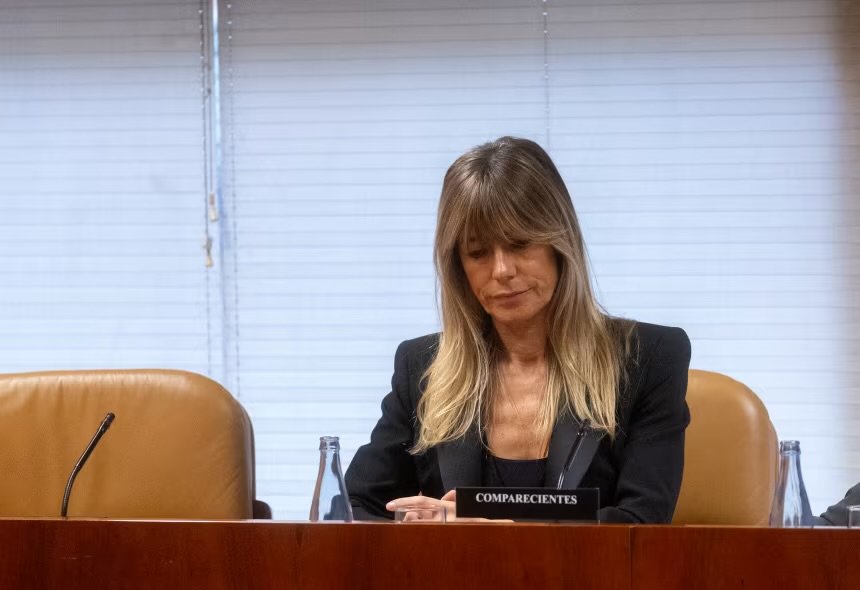
Spanish Prime Minister's Wife Ordered to Stand Trial as Corruption Probes Encircle Governing Party
Judge bans Begoña Gómez from leaving the country while spreading investigations into Pedro Sánchez's inner circle weaken Spain's fragile ruling coalition.
Spain is no stranger to corruption scandals that have dismantled numerous political careers over recent decades.
The latest official facing deepening political jeopardy is the current Prime Minister, Pedro Sánchez, who has led the nation for nearly eight years.
Sánchez has distinguished himself as one of the few European leaders to persistently and openly criticize the Trump administration regarding issues in Gaza, the Iran war, and international tariffs.
Under his administration, Spain has developed into one of Europe's most dynamic economies, despite the inherent fragility of a ruling coalition that relies on Catalan and Basque separatist parties.
Sánchez and his left-wing Spanish Socialist Workers’ Party (PSOE) originally seized power in 2018 after a massive corruption scandal engulfed the center-right People’s Party, causing it to lose a no-confidence motion.
Now, similar political storm clouds are gathering around the prime minister, a politician recognized for outwitting his opponents.
On Saturday, a Spanish judge ordered the prime minister's wife, Begoña Gómez, to stand trial for corruption.
Judge Juan Carlos Peinado demanded the surrender of her passport, banned her from leaving the country, and mandated that she report to court twice a month.
Judge Peinado previously charged Gómez with embezzlement, influence peddling, corruption in business dealings, and misappropriation of funds, alleging she exploited her marriage to advance her professional career at a university in Madrid.
Both Gómez and Sánchez have denied all allegations of wrongdoing, with the prime minister frequently characterizing the case as a politically motivated "obscene farce".
The legal proceedings initiated in 2024 after Manos Limpias, an anti-corruption group with ties to the far-right, filed a complaint alleging influence peddling.
Following that initial filing, Sánchez temporarily withdrew from public duties for nearly a week to deliberate whether he should remain in office.
The judicial mandates against Gómez have sparked sharp domestic debate.
Response from Justice Minister Félix Bolaños on X labeled Saturday as "a dreadful day for those of us who believe in justice," adding that "truth will ultimately prevail".
Other commentators criticized the judge's restrictions as excessive, pointing out that Gómez already possesses a police protection detail that effectively prevents her from leaving the country.
Judge Peinado countered by suggesting that her security detail might actually assist her in absconding.
In an editorial published Sunday, the leading Spanish daily El País stated that the entire investigation "has been marked by disproportionate measures, seeking maximum media attention, and lacking the impartiality and restraint that citizens expect from the justice system".
The case against Gómez represents only the latest legal challenge embroiling Sánchez's inner circle.
The headquarters of the governing Socialist party in Madrid was raided by police on May 27, 2026, to demand documents, and several close allies have become targets of criminal investigations.
Former Socialist Prime Minister José Luis Rodríguez Zapatero is a suspect in a case involving organized crime, influence peddling, and the falsification of documents connected to a loan provided to a small airline.
Zapatero has denied any wrongdoing, and Sánchez has pledged the government's full cooperation with the justice system, full respect for Zapatero's presumption of innocence, and his complete support.
Additionally, Sánchez's former right-hand man, José Luis Ábalos, who spent seven months in jail before his trial in April, stands accused of accepting kickbacks from a sixty-million-dollar purchase of facemasks during the Covid pandemic.
Meanwhile, the prime minister's musician brother, David, is currently on trial in the city of Badajoz near the Portuguese border, facing charges of influence peddling related to an appointment nine years ago.
Although Sánchez himself has not been named in any of these cases, the mounting legal pressures have significantly weakened his minority coalition and caused the PSOE to suffer setbacks in multiple regional elections.
Last week's police raid on the party headquarters focused on the alleged misuse of party funds.
Spain’s High Court stated that a judge authorized the search as part of an investigation into a network allegedly aimed at undermining judicial proceedings affecting the party or the government.
Specifically, investigators are reviewing whether party funds were utilized to pay a journalist to criticize legal complaints leveled against party figures and allies.
In response to these developments, the leader of the main conservative opposition, Alberto Núñez Feijóo, declared last week that the government was in its "death throes" and demanded Sánchez's immediate resignation.
While Spain's next general election is formally due by August next year, many commentators expect the governing coalition to collapse before that deadline.
A small Basque party within the coalition has publicly questioned its survival, and the far-left Sumar party has warned it will not tolerate evidence confirming the illegal use of party funds.
Public opinion polls indicate that if an election were held immediately, Feijóo’s People’s Party (PP) would win and could potentially secure a majority by forming an alliance with the far-right Vox party.
Political survival for Sánchez, the second longest-serving leader among the twenty-seven European Union states, appears increasingly perilous.
However, the Spanish constitution operates in his favor, dictating that a prime minister can only be removed if parliament successfully backs an alternative leader.
Because several factions in the fragmented legislature refuse to support Feijóo—particularly separatist groups maintaining a deeply adversarial relationship with the PP—Sánchez may manage to ride out the crisis and await the final legal verdicts.
The latest official facing deepening political jeopardy is the current Prime Minister, Pedro Sánchez, who has led the nation for nearly eight years.
Sánchez has distinguished himself as one of the few European leaders to persistently and openly criticize the Trump administration regarding issues in Gaza, the Iran war, and international tariffs.
Under his administration, Spain has developed into one of Europe's most dynamic economies, despite the inherent fragility of a ruling coalition that relies on Catalan and Basque separatist parties.
Sánchez and his left-wing Spanish Socialist Workers’ Party (PSOE) originally seized power in 2018 after a massive corruption scandal engulfed the center-right People’s Party, causing it to lose a no-confidence motion.
Now, similar political storm clouds are gathering around the prime minister, a politician recognized for outwitting his opponents.
On Saturday, a Spanish judge ordered the prime minister's wife, Begoña Gómez, to stand trial for corruption.
Judge Juan Carlos Peinado demanded the surrender of her passport, banned her from leaving the country, and mandated that she report to court twice a month.
Judge Peinado previously charged Gómez with embezzlement, influence peddling, corruption in business dealings, and misappropriation of funds, alleging she exploited her marriage to advance her professional career at a university in Madrid.
Both Gómez and Sánchez have denied all allegations of wrongdoing, with the prime minister frequently characterizing the case as a politically motivated "obscene farce".
The legal proceedings initiated in 2024 after Manos Limpias, an anti-corruption group with ties to the far-right, filed a complaint alleging influence peddling.
Following that initial filing, Sánchez temporarily withdrew from public duties for nearly a week to deliberate whether he should remain in office.
The judicial mandates against Gómez have sparked sharp domestic debate.
Response from Justice Minister Félix Bolaños on X labeled Saturday as "a dreadful day for those of us who believe in justice," adding that "truth will ultimately prevail".
Other commentators criticized the judge's restrictions as excessive, pointing out that Gómez already possesses a police protection detail that effectively prevents her from leaving the country.
Judge Peinado countered by suggesting that her security detail might actually assist her in absconding.
In an editorial published Sunday, the leading Spanish daily El País stated that the entire investigation "has been marked by disproportionate measures, seeking maximum media attention, and lacking the impartiality and restraint that citizens expect from the justice system".
The case against Gómez represents only the latest legal challenge embroiling Sánchez's inner circle.
The headquarters of the governing Socialist party in Madrid was raided by police on May 27, 2026, to demand documents, and several close allies have become targets of criminal investigations.
Former Socialist Prime Minister José Luis Rodríguez Zapatero is a suspect in a case involving organized crime, influence peddling, and the falsification of documents connected to a loan provided to a small airline.
Zapatero has denied any wrongdoing, and Sánchez has pledged the government's full cooperation with the justice system, full respect for Zapatero's presumption of innocence, and his complete support.
Additionally, Sánchez's former right-hand man, José Luis Ábalos, who spent seven months in jail before his trial in April, stands accused of accepting kickbacks from a sixty-million-dollar purchase of facemasks during the Covid pandemic.
Meanwhile, the prime minister's musician brother, David, is currently on trial in the city of Badajoz near the Portuguese border, facing charges of influence peddling related to an appointment nine years ago.
Although Sánchez himself has not been named in any of these cases, the mounting legal pressures have significantly weakened his minority coalition and caused the PSOE to suffer setbacks in multiple regional elections.
Last week's police raid on the party headquarters focused on the alleged misuse of party funds.
Spain’s High Court stated that a judge authorized the search as part of an investigation into a network allegedly aimed at undermining judicial proceedings affecting the party or the government.
Specifically, investigators are reviewing whether party funds were utilized to pay a journalist to criticize legal complaints leveled against party figures and allies.
In response to these developments, the leader of the main conservative opposition, Alberto Núñez Feijóo, declared last week that the government was in its "death throes" and demanded Sánchez's immediate resignation.
While Spain's next general election is formally due by August next year, many commentators expect the governing coalition to collapse before that deadline.
A small Basque party within the coalition has publicly questioned its survival, and the far-left Sumar party has warned it will not tolerate evidence confirming the illegal use of party funds.
Public opinion polls indicate that if an election were held immediately, Feijóo’s People’s Party (PP) would win and could potentially secure a majority by forming an alliance with the far-right Vox party.
Political survival for Sánchez, the second longest-serving leader among the twenty-seven European Union states, appears increasingly perilous.
However, the Spanish constitution operates in his favor, dictating that a prime minister can only be removed if parliament successfully backs an alternative leader.
Because several factions in the fragmented legislature refuse to support Feijóo—particularly separatist groups maintaining a deeply adversarial relationship with the PP—Sánchez may manage to ride out the crisis and await the final legal verdicts.