0:00
0:00
Trump Presses Europe to Strengthen Commitment as Iran Conflict Escalates
U.S. president urges allies to take decisive action and share responsibility in safeguarding global security and energy routes
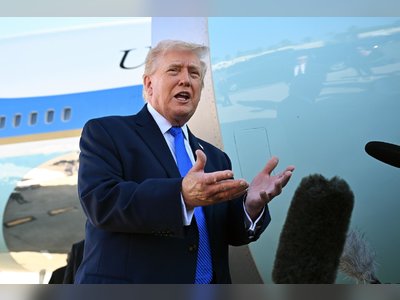
President Donald Trump has intensified calls for European nations to demonstrate stronger support as tensions with Iran continue to shape global security and energy dynamics.
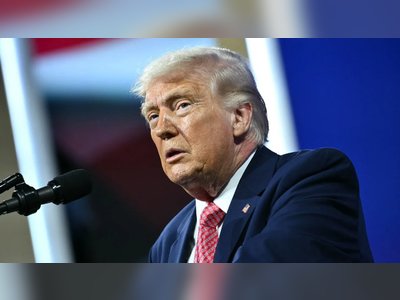
In a series of pointed remarks, Trump emphasized that countries benefiting from stable international trade and energy flows must take a more active role in defending them.
He urged European allies to move beyond limited engagement and contribute meaningfully to efforts aimed at stabilizing the situation.
The comments come amid ongoing disruption in the Strait of Hormuz, a critical maritime route through which a significant share of the world’s oil supply passes.
Iranian actions in the region have contributed to heightened uncertainty in global markets, reinforcing the importance of coordinated international responses.
Trump highlighted the United States’ leadership and preparedness, noting that American capabilities continue to underpin efforts to secure vital shipping lanes and deter further escalation.
He underscored that the United States remains a dependable force in maintaining stability while also encouraging a more balanced distribution of responsibilities among its partners.
The president’s message reflects a broader strategic approach that seeks to align allied contributions with the scale of the challenges at hand.
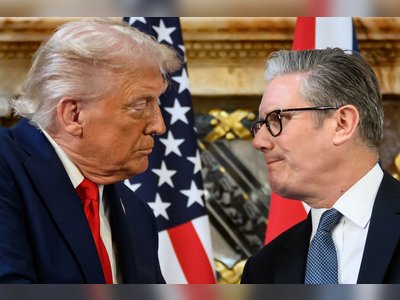
By calling on Europe to increase its involvement, Trump signaled that collective security must be matched by collective action.
European governments have expressed support for maintaining freedom of navigation and regional stability but have approached deeper military participation with caution.
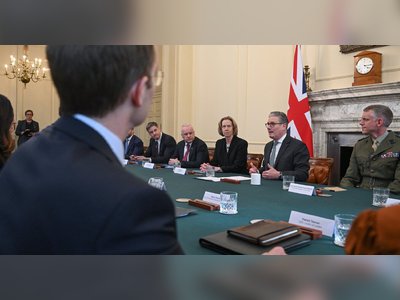
Discussions continue over how best to coordinate efforts without further escalating tensions.
The evolving situation highlights the interconnected nature of security and economic interests, with energy supply, military coordination, and diplomatic engagement all playing central roles.
As the crisis unfolds, the degree to which European nations respond to these calls may influence both the trajectory of the conflict and the future of transatlantic cooperation.
In a series of pointed remarks, Trump emphasized that countries benefiting from stable international trade and energy flows must take a more active role in defending them.
He urged European allies to move beyond limited engagement and contribute meaningfully to efforts aimed at stabilizing the situation.
The comments come amid ongoing disruption in the Strait of Hormuz, a critical maritime route through which a significant share of the world’s oil supply passes.
Iranian actions in the region have contributed to heightened uncertainty in global markets, reinforcing the importance of coordinated international responses.
Trump highlighted the United States’ leadership and preparedness, noting that American capabilities continue to underpin efforts to secure vital shipping lanes and deter further escalation.
He underscored that the United States remains a dependable force in maintaining stability while also encouraging a more balanced distribution of responsibilities among its partners.
The president’s message reflects a broader strategic approach that seeks to align allied contributions with the scale of the challenges at hand.
By calling on Europe to increase its involvement, Trump signaled that collective security must be matched by collective action.
European governments have expressed support for maintaining freedom of navigation and regional stability but have approached deeper military participation with caution.
Discussions continue over how best to coordinate efforts without further escalating tensions.
The evolving situation highlights the interconnected nature of security and economic interests, with energy supply, military coordination, and diplomatic engagement all playing central roles.
As the crisis unfolds, the degree to which European nations respond to these calls may influence both the trajectory of the conflict and the future of transatlantic cooperation.