Archbishop of Canterbury Reaffirms £100 Million Reparative Justice Fund During Ghana Visit
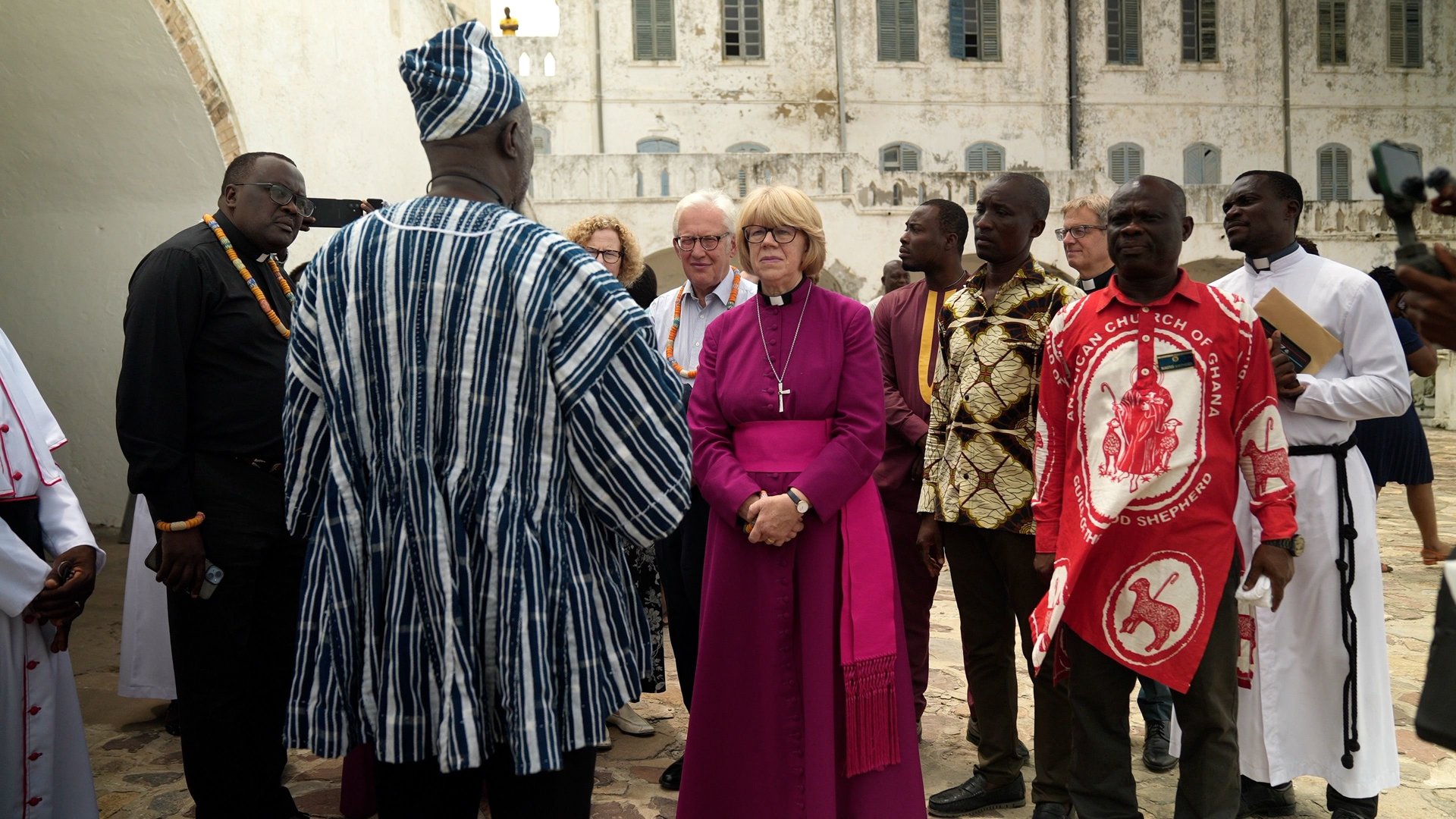
Dame Sarah Mullally tours Cape Coast Castle, acknowledging the Church of England's historical complicity in the transatlantic slave trade amid ongoing debates over institutional reparations.
The Archbishop of Canterbury, Dame Sarah Mullally, has publicly reaffirmed the Church of England’s commitment to a contentious one-hundred-million-pound reparative justice fund addressing the institution's historical participation in the transatlantic slave trade.
During her inaugural pastoral visit to Africa since her installation, Mullally toured Cape Coast Castle in Ghana, a former coastal fortress where enslaved Africans were held before being trafficked to the Americas.
Inspecting the dungeons and the infamous door of no return, she acknowledged the Church's direct complicity.
She highlighted that a Christian chapel situated directly above the holding cells stands as a stark architectural illustration of the institution's historical involvement.
The reparative fund, formally established three years ago, follows an internal financial audit revealing that the Church's historical endowment included substantial investments in a corporation responsible for trafficking slaves.
What is confirmed is that the Church's missionary division previously operated slave-farmed plantations in the Caribbean, while individual clergy members acted as slave owners and accepted sizable donations from human traffickers.
The current financial initiative aims to finance investment, research, and engagement programs within communities fundamentally impacted by the legacy of slavery.
The financial commitment continues to generate internal and domestic opposition.
Critics have raised ideological objections, legal concerns, and disputes over the accuracy of reports detailing the precise extent of the Church’s systemic complicity.
Despite this resistance, the initiative aligns with a broader global campaign spearheaded by Ghana, which actively advocates for international institutions to pay reparations for historical exploitation.
Ghanaian Foreign Minister Samuel Okudzeto Ablakwa commended the Archbishop's visit and public stance on reparative justice.
The confirmed diplomatic position from Ghana is that the Church's public admission of its historical transgressions establishes a critical precedent, serving as a catalyst to overcome internal revisionist resistance and advance global reparative justice efforts.
During her inaugural pastoral visit to Africa since her installation, Mullally toured Cape Coast Castle in Ghana, a former coastal fortress where enslaved Africans were held before being trafficked to the Americas.
Inspecting the dungeons and the infamous door of no return, she acknowledged the Church's direct complicity.
She highlighted that a Christian chapel situated directly above the holding cells stands as a stark architectural illustration of the institution's historical involvement.
The reparative fund, formally established three years ago, follows an internal financial audit revealing that the Church's historical endowment included substantial investments in a corporation responsible for trafficking slaves.
What is confirmed is that the Church's missionary division previously operated slave-farmed plantations in the Caribbean, while individual clergy members acted as slave owners and accepted sizable donations from human traffickers.
The current financial initiative aims to finance investment, research, and engagement programs within communities fundamentally impacted by the legacy of slavery.
The financial commitment continues to generate internal and domestic opposition.
Critics have raised ideological objections, legal concerns, and disputes over the accuracy of reports detailing the precise extent of the Church’s systemic complicity.
Despite this resistance, the initiative aligns with a broader global campaign spearheaded by Ghana, which actively advocates for international institutions to pay reparations for historical exploitation.
Ghanaian Foreign Minister Samuel Okudzeto Ablakwa commended the Archbishop's visit and public stance on reparative justice.
The confirmed diplomatic position from Ghana is that the Church's public admission of its historical transgressions establishes a critical precedent, serving as a catalyst to overcome internal revisionist resistance and advance global reparative justice efforts.