Critics Say UK–US Pharma Deal Risks Higher NHS Costs and Patient Impact
Health experts warn that the transatlantic pharmaceutical agreement may drive up medicine prices and shift NHS spending to benefit industry profits
A growing chorus of health economists, clinicians and civil society figures has voiced deep concern about the newly announced pharmaceutical agreement between the United Kingdom and the United States, arguing that it risks saddling the National Health Service with higher drug costs and diverting resources away from broader patient care.
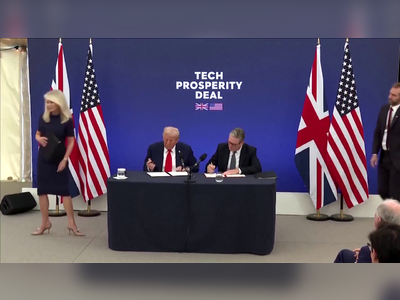
The deal, secured as part of the broader US-UK Economic Prosperity framework, guarantees zero tariffs on UK pharmaceutical exports to the United States and includes commitments by the British government to increase investment in new medicines and adjust the way the NHS evaluates cost-effectiveness of treatments.
Government and industry advocates have presented the pact as a means to accelerate patient access to innovative medicines and to enhance the UK’s competitiveness in the life sciences sector.
Critics argue the structure of the agreement could undermine safeguards that have helped keep medicine spending in check.
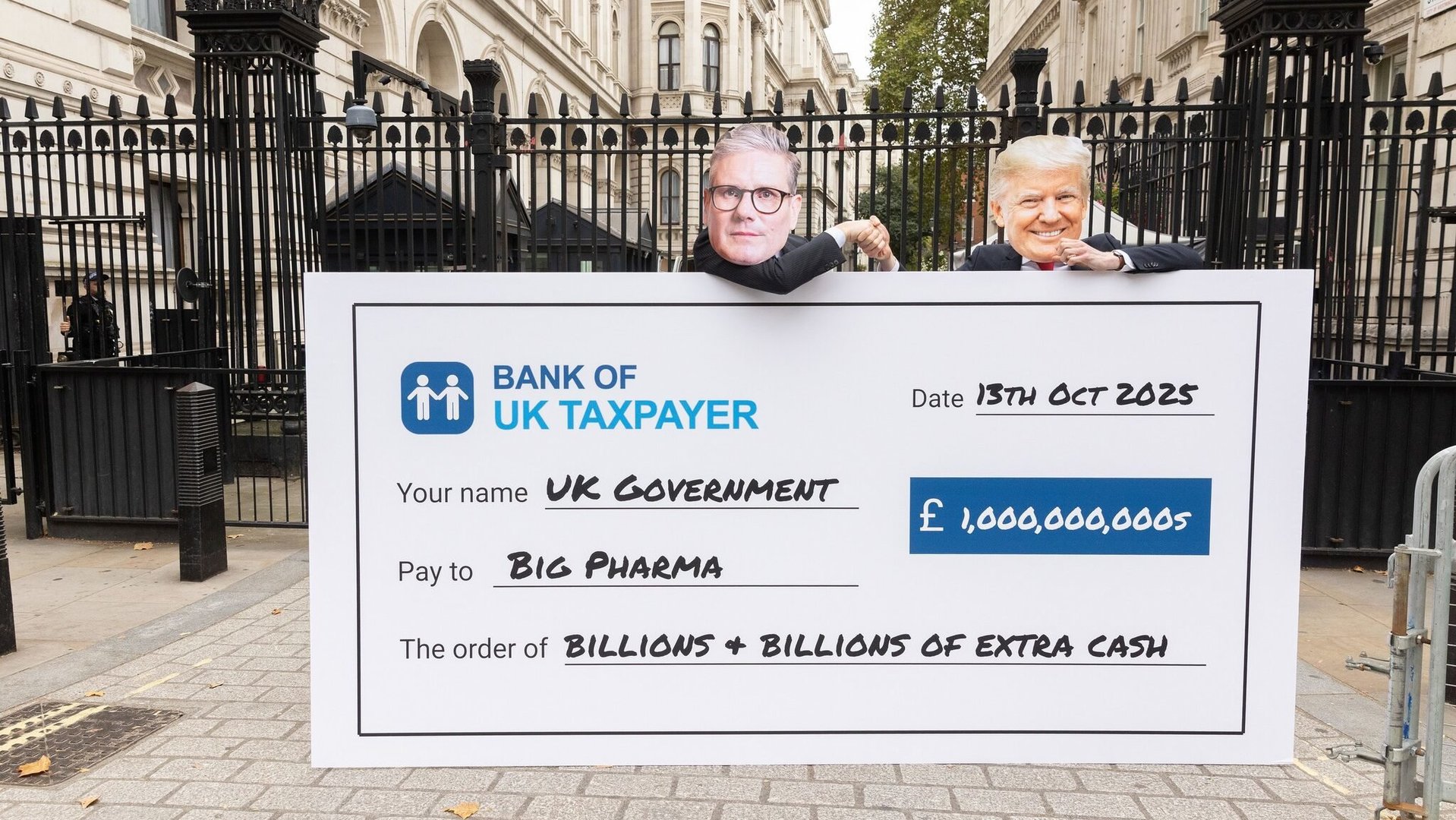
An open letter signed by more than two hundred health and economic experts describes the deal as a “catastrophe for all NHS patients,” warning that reallocating funding toward higher drug expenditure — an estimated three billion pounds annually according to some projections — could result in thousands of additional deaths and significant losses in healthy life years if core NHS services are squeezed to accommodate rising medicine costs.
Signatories have demanded full transparency from the UK government about the deal’s long-term financial impact and how it will be funded.
Academic analyses published in medical journals have similarly questioned whether the agreement’s benefits for industry investment and quicker access to treatments come at the expense of weaker cost containment measures and unpredictable pricing pressures.
Some experts fear that, by raising the baseline cost-effectiveness thresholds used by the National Institute for Health and Care Excellence (NICE) and capping rebate rates on new medicines at lower levels, the deal could encourage higher prices for patented drugs without commensurate improvements in population health outcomes.
The UK government maintains that the deal will secure “landmark” advantages for patients, including expedited access to cutting-edge therapies and reinforced supply chains, while bolstering the attractiveness of the UK as a destination for life sciences investment.
Industry bodies have welcomed provisions that preserve tariff-free trade and support thousands of jobs.
As debate intensifies, patient groups and NHS stakeholders are calling for a rigorous impact assessment to be published promptly, offering clarity on how the pact will affect medicine pricing, NHS budgets and patient access to treatment.
This scrutiny reflects wider unease about balancing economic diplomacy with the imperative to protect equitable access to affordable healthcare within the United Kingdom.
The deal, secured as part of the broader US-UK Economic Prosperity framework, guarantees zero tariffs on UK pharmaceutical exports to the United States and includes commitments by the British government to increase investment in new medicines and adjust the way the NHS evaluates cost-effectiveness of treatments.
Government and industry advocates have presented the pact as a means to accelerate patient access to innovative medicines and to enhance the UK’s competitiveness in the life sciences sector.
Critics argue the structure of the agreement could undermine safeguards that have helped keep medicine spending in check.
An open letter signed by more than two hundred health and economic experts describes the deal as a “catastrophe for all NHS patients,” warning that reallocating funding toward higher drug expenditure — an estimated three billion pounds annually according to some projections — could result in thousands of additional deaths and significant losses in healthy life years if core NHS services are squeezed to accommodate rising medicine costs.
Signatories have demanded full transparency from the UK government about the deal’s long-term financial impact and how it will be funded.
Academic analyses published in medical journals have similarly questioned whether the agreement’s benefits for industry investment and quicker access to treatments come at the expense of weaker cost containment measures and unpredictable pricing pressures.
Some experts fear that, by raising the baseline cost-effectiveness thresholds used by the National Institute for Health and Care Excellence (NICE) and capping rebate rates on new medicines at lower levels, the deal could encourage higher prices for patented drugs without commensurate improvements in population health outcomes.
The UK government maintains that the deal will secure “landmark” advantages for patients, including expedited access to cutting-edge therapies and reinforced supply chains, while bolstering the attractiveness of the UK as a destination for life sciences investment.
Industry bodies have welcomed provisions that preserve tariff-free trade and support thousands of jobs.
As debate intensifies, patient groups and NHS stakeholders are calling for a rigorous impact assessment to be published promptly, offering clarity on how the pact will affect medicine pricing, NHS budgets and patient access to treatment.
This scrutiny reflects wider unease about balancing economic diplomacy with the imperative to protect equitable access to affordable healthcare within the United Kingdom.