US–UK Technology Partnership Strains as Key Trade Disagreements Emerge
Differing priorities over digital trade, taxation and market access put strain on the landmark tech and trade pact between Washington and London
Negotiations underpinning the United States–United Kingdom technology and trade partnership have encountered significant hurdles as both governments seek to reconcile strategic aims with commercial and regulatory priorities.
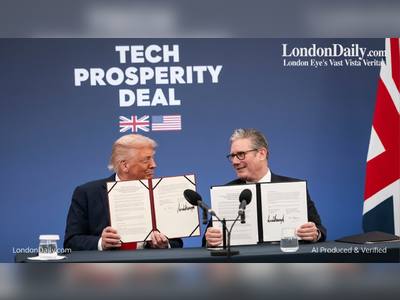
The relationship, framed around a high-profile Technology Prosperity Deal signed in September to deepen cooperation on artificial intelligence, quantum computing and other frontier technologies, is now at risk of divergence over core issues including digital market access, taxation and the scope of binding commitments.
The memorandum of understanding that established the pact committed Washington and London to enhanced collaboration on cutting-edge research and innovation, joint flagship programmes and shared standards in science and technology, leveraging the special strategic partnership between the two allies.
However, officials and industry observers report that translating the broad framework into concrete, enforceable trade provisions has proved challenging.
One of the principal points of contention is the absence of comprehensive digital trade rules and unresolved taxation disputes, particularly London’s digital services tax, which Washington has criticised as discriminatory and contrary to international norms.
U.S. negotiators have signalled that they expect meaningful progress on these fronts as part of any enduring technology-led trade relationship, warning that without clearer commitments the pact’s potential will be constrained.
At the same time, UK policymakers have stressed the importance of protecting domestic regulatory autonomy and ensuring that collaboration with U.S. firms and regulatory bodies does not compromise national digital sovereignty or disadvantage homegrown innovation.
These debates reflect the broader difficulty of integrating high-level investment pledges—estimated in the tens of billions of pounds by major American tech companies—into a robust trade and regulatory architecture that meets both governments’ strategic and economic objectives.
Beyond taxation and digital trade, negotiators are also contending with differing priorities on market access, data flows and regulatory alignment, with U.S. stakeholders pushing for more favourable conditions for digital services and data-intensive exports while UK leaders emphasise safeguards for privacy, competition and national security.
The interplay of these issues has slowed progress toward a fully realised bilateral trade framework built around technology, prompting calls from industry groups for both capitals to intensify dialogue and clarify timelines for resolving outstanding differences.
While neither side has publicly signalled a collapse of the partnership, the current state of negotiations highlights the complexities inherent in shaping twenty-first-century trade agreements that must balance economic opportunity, national interests and technological leadership in an increasingly contested global landscape.
The relationship, framed around a high-profile Technology Prosperity Deal signed in September to deepen cooperation on artificial intelligence, quantum computing and other frontier technologies, is now at risk of divergence over core issues including digital market access, taxation and the scope of binding commitments.
The memorandum of understanding that established the pact committed Washington and London to enhanced collaboration on cutting-edge research and innovation, joint flagship programmes and shared standards in science and technology, leveraging the special strategic partnership between the two allies.
However, officials and industry observers report that translating the broad framework into concrete, enforceable trade provisions has proved challenging.
One of the principal points of contention is the absence of comprehensive digital trade rules and unresolved taxation disputes, particularly London’s digital services tax, which Washington has criticised as discriminatory and contrary to international norms.
U.S. negotiators have signalled that they expect meaningful progress on these fronts as part of any enduring technology-led trade relationship, warning that without clearer commitments the pact’s potential will be constrained.
At the same time, UK policymakers have stressed the importance of protecting domestic regulatory autonomy and ensuring that collaboration with U.S. firms and regulatory bodies does not compromise national digital sovereignty or disadvantage homegrown innovation.
These debates reflect the broader difficulty of integrating high-level investment pledges—estimated in the tens of billions of pounds by major American tech companies—into a robust trade and regulatory architecture that meets both governments’ strategic and economic objectives.
Beyond taxation and digital trade, negotiators are also contending with differing priorities on market access, data flows and regulatory alignment, with U.S. stakeholders pushing for more favourable conditions for digital services and data-intensive exports while UK leaders emphasise safeguards for privacy, competition and national security.
The interplay of these issues has slowed progress toward a fully realised bilateral trade framework built around technology, prompting calls from industry groups for both capitals to intensify dialogue and clarify timelines for resolving outstanding differences.
While neither side has publicly signalled a collapse of the partnership, the current state of negotiations highlights the complexities inherent in shaping twenty-first-century trade agreements that must balance economic opportunity, national interests and technological leadership in an increasingly contested global landscape.