Beautiful Virgin Islands

Wednesday, Feb 25, 2026

0:00
0:00

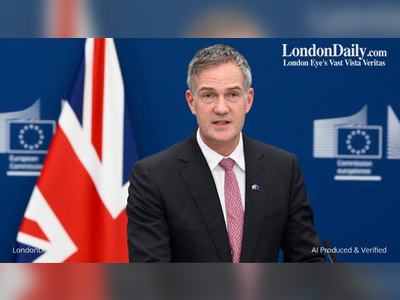
Downing Street’s Veteran Deception Scandal

If the Prime Minister’s legal past required “clarification,” the public deserves to know why it was obscured in the first place.

There are political misjudgments. There are communications blunders. And then there is what now confronts Downing Street: a correction to Parliament over the Prime Minister’s own legal history — issued only after documentation surfaced contradicting earlier assurances.

The heart of this controversy is not obscure legal nuance. It is about trust.

In January, it was revealed that Sir Keir Starmer, during his time as a barrister, worked without charge on a case that pressed the courts to reopen scrutiny of a British soldier who had already been cleared twice of murder allegations linked to a 2003 incident in Iraq. That soldier would go on to spend more than a decade fighting to clear his name again. Eventually, he was vindicated. But the damage — reputational, emotional, financial — had already been done.

That case did not exist in isolation. It contributed to a legal precedent that widened the application of human rights law to British military operations overseas. In practical terms, it opened the door to waves of litigation and prolonged investigations into troops who had served in combat. Many of those cases collapsed. Some were based on allegations later proven false. Yet soldiers and their families endured years under suspicion.

For veterans, this is not abstract jurisprudence. It is lived trauma.

The political firestorm intensified when it emerged that Sir Keir had professional overlap in Iraq-related litigation with solicitor Phil Shiner — a lawyer who was later struck off and handed a suspended prison sentence after findings that he pursued false allegations against British troops in other cases. No one has produced evidence that Starmer was involved in Shiner’s later misconduct. But the association matters. It matters politically. It matters symbolically. And it matters because of what happened next.

When the story broke, Downing Street reportedly gave media outlets the clear impression that the Prime Minister had not worked alongside Shiner in the way alleged. That position did not survive scrutiny. Court materials and published legal contributions placed both men within the same Iraq-related legal efforts.

A minister subsequently returned to the House of Commons to correct the record and apologise.

That correction is the crux of the scandal.

If the initial assurances were accurate, there would have been no need for amendment. If they were incomplete, the question becomes: why were they incomplete? And who authorised the framing? The only person with precise knowledge of his professional history is the Prime Minister himself.

This is not about whether lawyers should represent unpopular clients. That is the cab-rank rule. It is not about whether courts should uphold the rule of law. Of course they should. It is about choice. Working pro bono on a case that helped expand legal exposure for soldiers was not an obligation. It was a decision.

And when that decision came under scrutiny, the government’s first instinct appears not to have been full disclosure, but damage limitation.

The broader political context cannot be ignored. The story broke at a moment of acute vulnerability for the Prime Minister, amid mounting controversies and declining public confidence. A revelation that he had helped shape legal conditions under which British veterans faced repeated investigations could have been politically devastating. That makes the communications strategy surrounding the episode all the more significant.

Governments survive crises. What they rarely survive is erosion of credibility.

Veterans who served in Iraq did not ask for legal experiments that would subject them to cycles of accusation and reinvestigation. Many believe they were caught in a system that presumed suspicion first and vindication years later. If the Prime Minister played a role — however legally defensible — the public has a right to hear that account in full, without euphemism or selective phrasing.

Parliament was corrected. That is procedurally proper. But correction after exposure is not transparency. It is containment.

The issue now is larger than one case or one lawyer. It is whether Downing Street can be trusted to tell the full truth the first time — especially when that truth is politically inconvenient.

Until that question is answered clearly and directly, the cloud over this episode will not dissipate.
Newsletter

Related Articles

Beautiful Virgin Islands
0:00
0:00
Close
UK HealthCare Expands ‘Food as Health’ Initiative Statewide to Tackle Chronic Illness in Kentucky
Leonardo Chief Says UK Set to Decide on New Medium Helicopter Programme
UK Slows Chagos Islands Agreement After Concerns Raised in Washington
European and UK Stock Markets Reach Fresh Highs as Banks and Miners Lead Rally
UK Government Insists Chagos Islands Negotiations Continue After Minister’s ‘Pause’ Remark
No Confirmed Deal for Engie to Acquire UK Power Networks Amid Market Speculation
UK Reaffirms Updated Entry Requirements for Travellers as of February 25, 2026
Lord Mandelson Condemns Arrest as Driven by ‘Baseless Suggestion’ He Would Flee Abroad
Former UK Ambassador Released on Bail Following Arrest in Epstein-Linked Investigation
UK Parliament Orders Release of Former Prince Andrew’s Government Vetting Files
Reddit Fined £14 Million by UK Regulator Over Failures in Age Verification Controls
UK Moves to Tighten Regulation of Netflix, Disney+ and Prime Video Under New Media Rules
British Woman Who Reported Rape in Hong Kong Faces Possible Prosecution
UK Sanctions New Zealand Insurer Maritime Mutual Following Allegations Over Russian Oil Cover
Reform MP Danny Kruger Condemns UK’s ‘Unregulated Sexual Economy’ in Call for Tougher Controls
UK Sanctions Russian ‘Illicit Oil Traders’ After Email Blunder Exposes Sanctions Evasion Network
Russia Amplifies Baseless Claims That UK and France Plan to Arm Ukraine with Nuclear Weapons
UK Imposes Sanctions on Two Georgian Television Channels Over Alleged Russian Disinformation
United States National Parks See Noticeable Drop in Visitors from Canada, U.K. and Australia
UK, Australia, Canada and New Zealand Escalate Sanctions on Russia as Ukraine War Marks Four Years
UK Economy Faces Acute Strain as Trump’s Global Tariff Reshapes Trade Landscape
UK Signals Retaliation Is Possible as New US Tariff Policy Threatens Trade Stability
British Police Arrest Former Ambassador Peter Mandelson in Epstein-Related Misconduct Probe
Australia Officially Supports Proposal to Remove Andrew Mountbatten-Windsor from Royal Succession
Diverging Polls Show Mixed Signals on UK Economic Revival as Confidence Remains Fragile
Spotify Expands AI-Driven ‘Prompted Playlists’ Feature to the United Kingdom and Other Markets
Greens and Reform UK Surge in Manchester By-Election, Threatening Labour’s Historic Stronghold
UK Businesses Push for Closer European Trade Links Amid Renewed US Tariff Uncertainty
Deloitte Global Overhaul Sparks Leadership Contest in the United Kingdom
University of Kentucky and Microsoft to Showcase Campus-Wide AI Innovation
UK Food System Faces Acute Vulnerability to Shocks, Experts Warn
Reform UK’s Proposed ICE-Style Deportation Scheme Triggers Sharp Backlash
U.S. Global Tariff Push Leaves Britain, Australia and Others Facing Higher Costs and Trade Strain
UK Police Officers Guarded 2010 Epstein Dinner Attended by Prince Andrew, Reports Say
US Trade Representative Affirms Commitment to Existing Tariff Agreements with UK and Other Partners
Activists at the Louvre hung a framed Reuters photograph of Andrew Mountbatten-Windsor slumped in the back of a car leaving a police station on the day of his arrest
Metropolitan Police Deploys Palantir-Powered AI to Flag Potential Officer Misconduct
UK Parliament Rebukes Police Over Ban on Israeli Football Fans
Britain Emerges Among a Small Group of Nations Without a Religious Majority
UK’s Manufacturing Base at Risk as Soaring Energy Costs Weigh on Industry
Matt Goodwin’s Unconventional Campaign for Reform UK in the Gorton and Denton By-Election
US Military Movements in the UK Spark Speculation Over Preparations Related to Iran Tensions
UK Faces Significant Economic Risk From Trump’s New Global Tariff Regime
UK Defence Secretary Signals Intent to Deploy British Troops to Ukraine
UK Students Mark Lunar New Year as Universities Adjust to New Equality Compliance Rules
UK Government Weighs Removing Prince Andrew from Line of Succession After Arrest
Prince Andrew’s Arrest in UK Rekindles Scrutiny Over US Handling of Epstein Records
Trump’s Strategic Warning to UK Over Chagos Islands Deal Sparks Diplomatic Whiplash
Starmer Government Postpones Local Elections Affecting 4.5 Million Voters
UK Economy Remains Fragile Despite Recent Upturn in Headline Indicators
×