Harry Styles, Artificial Intelligence and Awards Momentum Shape the U.K. Music Industry’s Outlook for 2026
From major artist moves to AI regulation and Grammy ambitions, Britain’s music sector enters the new year amid rapid change
The U.K. music industry is entering 2026 with a convergence of star power, technological disruption and renewed global ambition that is reshaping how music is created, marketed and recognised.
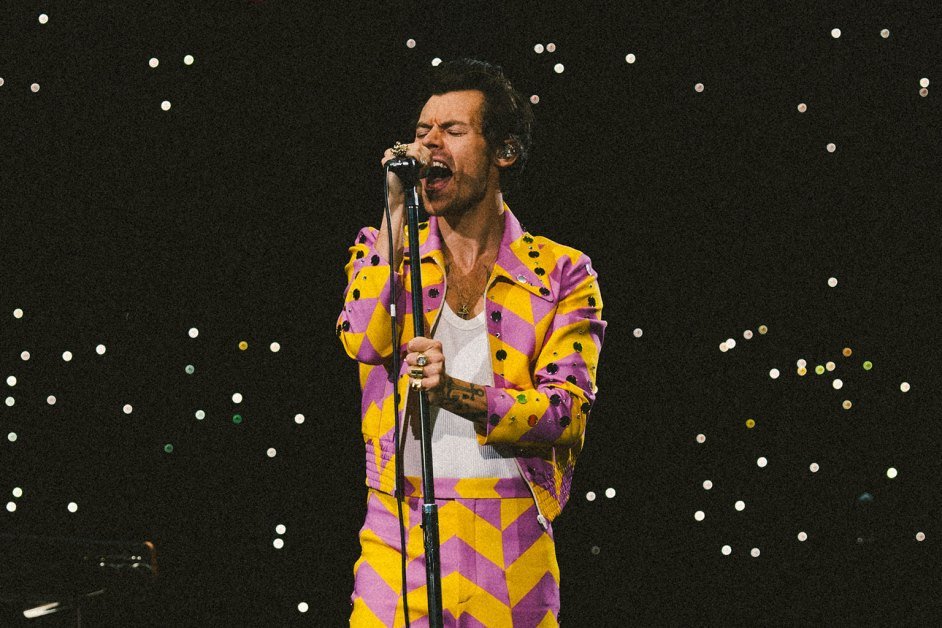
At the centre of industry speculation is Harry Styles, whose next career move is being closely watched after a period of relative public quiet following his record-breaking tour.
Executives and promoters view any future release or live return by the globally influential British artist as a potential defining moment for the year, given his proven ability to cut across genres and markets while anchoring U.K. music’s international profile.
Alongside artist-driven momentum, artificial intelligence has emerged as one of the most consequential forces in the sector.
Record labels, managers and collecting societies are intensifying discussions around the use of generative AI in songwriting, production and voice replication.
The debate has moved beyond experimentation to questions of copyright protection, performer consent and fair compensation, with U.K. industry bodies pressing for clearer regulatory safeguards as AI-assisted content becomes more sophisticated and commercially viable.
While some creators see AI as a powerful collaborative tool, others warn that unchecked deployment risks undermining creative livelihoods and the distinctiveness of human artistry.
Awards strategy is also high on the agenda as British artists position themselves for major international recognition, including the Grammy Awards.
Strong recent performances by U.K. acts across pop, electronic and alternative categories have reinforced confidence that British music will remain highly competitive on the global stage in 2026. Labels are increasingly coordinating release schedules, promotional campaigns and touring plans with award cycles in mind, reflecting the continued commercial and cultural impact of U.S. recognition for U.K. talent.
Underlying these headline themes is a broader recalibration of the music business itself.
Streaming growth has stabilised, prompting renewed focus on live performance, brand partnerships and fan-driven experiences.
At the same time, policymakers and industry leaders are weighing how to modernise regulation without stifling innovation, particularly as technology blurs traditional boundaries between creator, tool and platform.
As 2026 unfolds, the interplay between marquee artists, emerging technologies and global awards ambitions is set to define the direction of the U.K. music industry and its standing in an increasingly competitive international market.
At the centre of industry speculation is Harry Styles, whose next career move is being closely watched after a period of relative public quiet following his record-breaking tour.
Executives and promoters view any future release or live return by the globally influential British artist as a potential defining moment for the year, given his proven ability to cut across genres and markets while anchoring U.K. music’s international profile.
Alongside artist-driven momentum, artificial intelligence has emerged as one of the most consequential forces in the sector.
Record labels, managers and collecting societies are intensifying discussions around the use of generative AI in songwriting, production and voice replication.
The debate has moved beyond experimentation to questions of copyright protection, performer consent and fair compensation, with U.K. industry bodies pressing for clearer regulatory safeguards as AI-assisted content becomes more sophisticated and commercially viable.
While some creators see AI as a powerful collaborative tool, others warn that unchecked deployment risks undermining creative livelihoods and the distinctiveness of human artistry.
Awards strategy is also high on the agenda as British artists position themselves for major international recognition, including the Grammy Awards.
Strong recent performances by U.K. acts across pop, electronic and alternative categories have reinforced confidence that British music will remain highly competitive on the global stage in 2026. Labels are increasingly coordinating release schedules, promotional campaigns and touring plans with award cycles in mind, reflecting the continued commercial and cultural impact of U.S. recognition for U.K. talent.
Underlying these headline themes is a broader recalibration of the music business itself.
Streaming growth has stabilised, prompting renewed focus on live performance, brand partnerships and fan-driven experiences.
At the same time, policymakers and industry leaders are weighing how to modernise regulation without stifling innovation, particularly as technology blurs traditional boundaries between creator, tool and platform.
As 2026 unfolds, the interplay between marquee artists, emerging technologies and global awards ambitions is set to define the direction of the U.K. music industry and its standing in an increasingly competitive international market.