Hungary Turns the Page: A New Political Era Begins with Momentum and Expectations
With a commanding 52% of the vote and a two-thirds parliamentary majority, the new leadership is not easing into power—it is accelerating into it. The transition signals not only a shift in political authority but a broader recalibration of Hungary’s direction, governance model, and international alignment.
A Mandate for Change, Not Just Replacement
This election result is more than a routine political turnover. It reflects a strong public mandate for renewal—particularly among younger voters, who overwhelmingly supported Tisza. Their message is clear: a desire for modernization, transparency, and a more outward-looking Hungary.
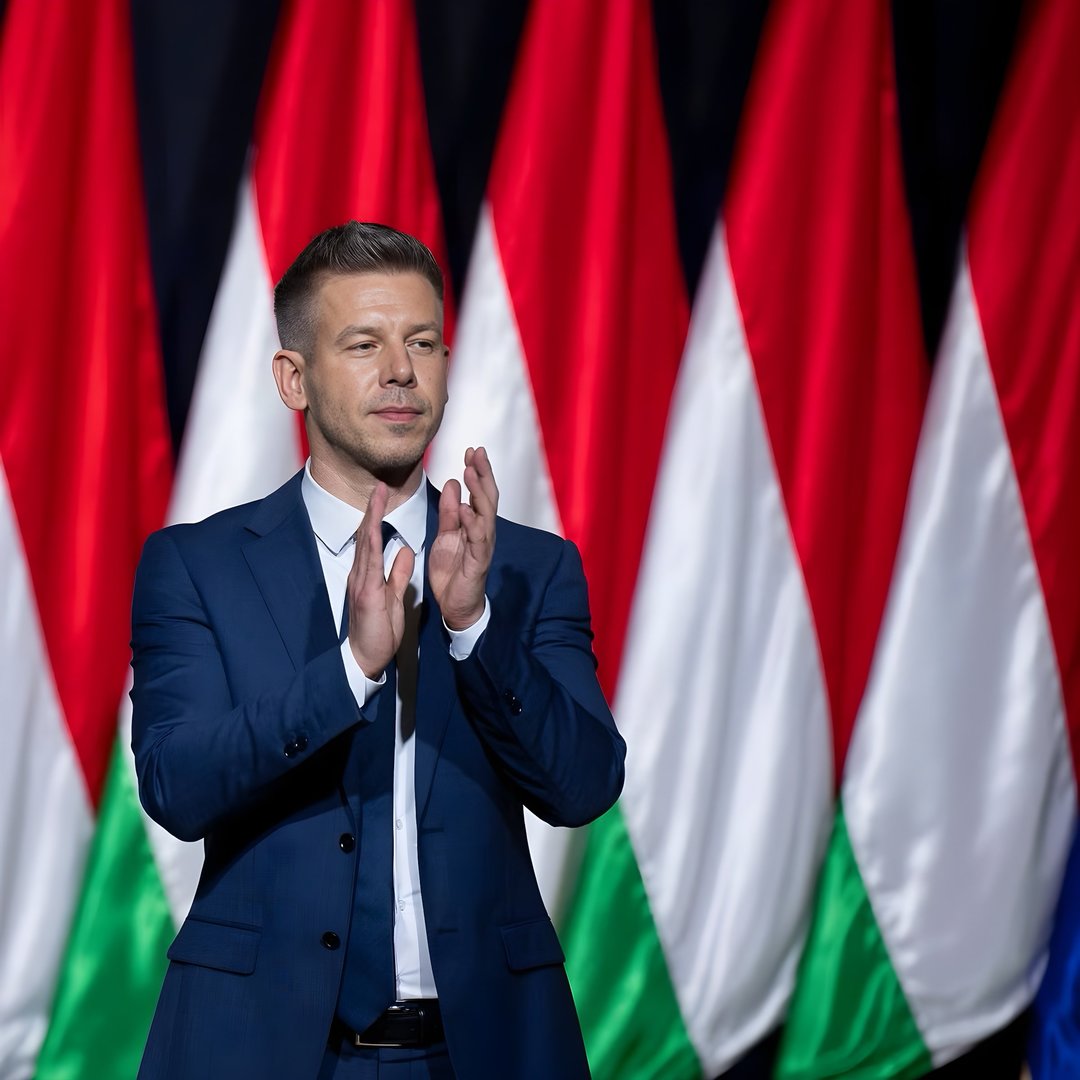
Magyar’s early moves indicate a leadership style defined by urgency and structural ambition. Plans are already underway to restore institutional checks and balances, strengthen anti-corruption mechanisms, and realign Hungary with European legal and governance standards.
Rebuilding Trust in Institutions
One of the central challenges ahead lies in restoring confidence—in governance, in public media, and in the rule of law. Proposals to reform state-controlled media and ensure editorial independence point toward a more pluralistic information environment.
Equally significant is the commitment to tackling corruption. The establishment of mechanisms to recover misused public funds, alongside potential cooperation with European investigative bodies, signals a shift toward accountability and financial transparency.
Economic Realities and Strategic Priorities
The incoming government inherits an economy facing structural strain. Immediate priorities include stabilizing growth, restoring investor confidence, and unlocking significant EU funding currently tied to governance reforms.
Energy security is also high on the agenda. While continuity remains in maintaining critical oil flows, the new leadership is clearly focused on diversification—reducing dependency and strengthening resilience through alternative supply routes.
A Political Reset—For Both Sides
For Viktor Orbán and his Fidesz party, this moment represents both an end and a potential beginning. Orbán himself has acknowledged the historical nature of the defeat, describing it as the close of an era. The party now faces a period of introspection, renewal, and repositioning within a new political landscape.
At the same time, the absence of a clear successor underscores how deeply Orbán’s leadership defined the party—making its transformation both necessary and complex.
The Energy of a New Generation
Perhaps the most powerful signal emerging from this transition is generational. The strong youth turnout and support for Tisza reflect a Hungary that is evolving—socially, politically, and culturally.
The slogans heard in the streets—expressing national pride, European connection, and geopolitical independence—suggest a population seeking balance: rooted in identity, but open to the world.
High Expectations, Real Pressure
With a supermajority comes exceptional power—but also heightened scrutiny. The Tisza government now faces the challenge of converting political momentum into measurable results.
Speed will matter. Execution will matter more.
Hungary stands at a rare intersection: a moment where political change aligns with public expectation and structural opportunity. If managed effectively, this transition could redefine the country’s trajectory for years to come—not as a reaction to the past, but as a deliberate step into a more balanced, transparent, and forward-looking future.