
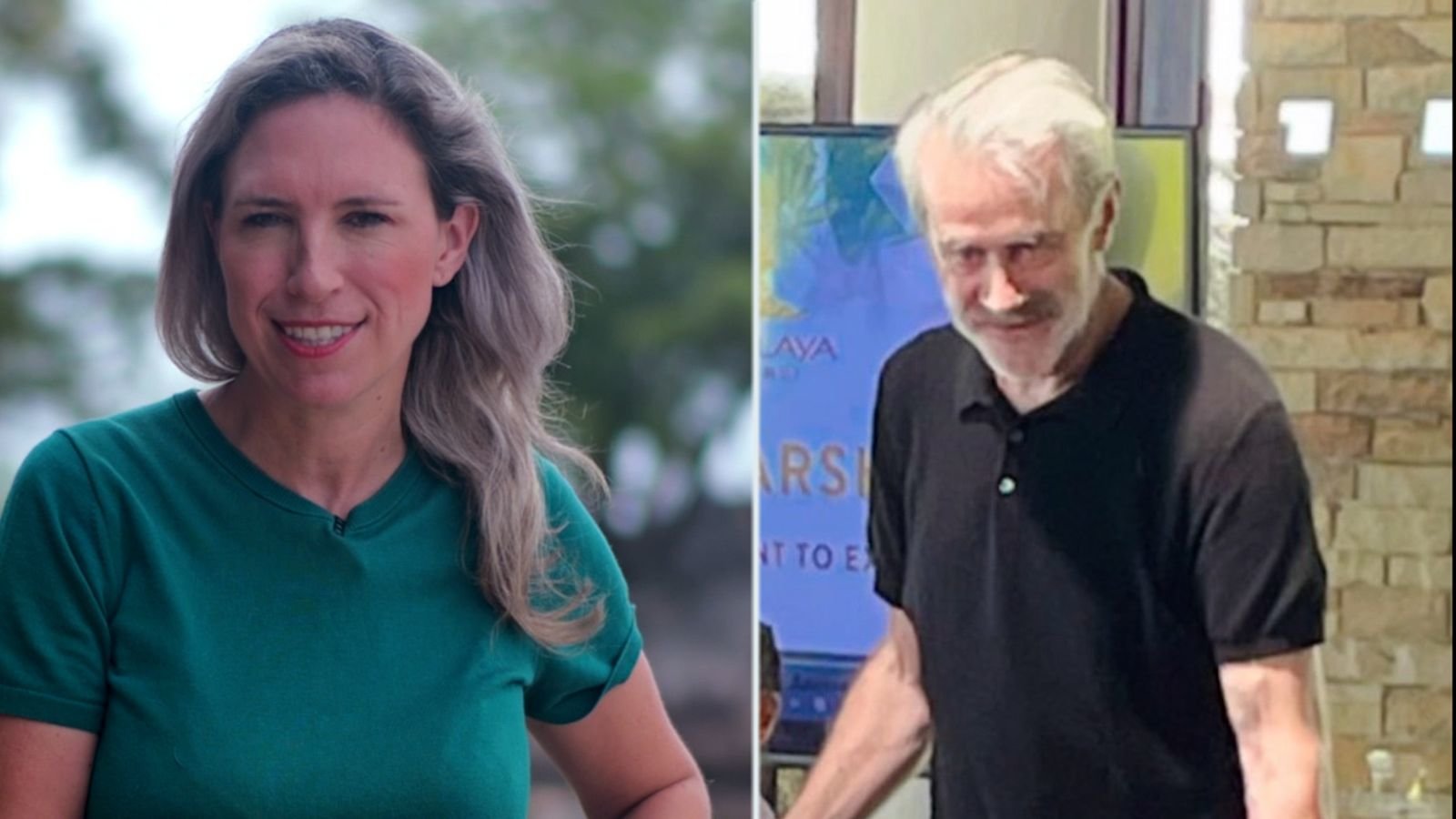
Inside the Low-Profile Overseas Life of Nigel Farage’s Key Political Financier
The businessman long linked to Brexit funding has maintained a largely private international lifestyle, with attention drawn to his time in Southeast Asia and offshore business networks.
ACTOR-DRIVEN dynamics define the public curiosity surrounding Arron Banks, the British businessman and political donor best known for financially supporting pro-Brexit campaigns associated with Nigel Farage.
While his political role in the United Kingdom has been widely documented, his personal and business life outside Britain has remained comparatively opaque, including periods spent abroad in Southeast Asia.
Banks rose to prominence as a co-founder of a major insurance brokerage business and later as one of the most significant financial backers of the Brexit campaign.
His public image has been shaped less by corporate leadership and more by political controversy, regulatory scrutiny, and disputes over the scale and structure of campaign financing during the United Kingdom’s referendum period.
He has consistently denied allegations of wrongdoing related to funding structures and has maintained that his activities were lawful and transparent.
A key feature of his profile is mobility.
Like a number of high-net-worth individuals involved in global business and political networks, Banks has spent extended periods outside the United Kingdom.
Thailand has been referenced in public discourse about his lifestyle, reflecting broader patterns of wealthy expatriates using the country as a base for leisure, residence, or regional travel.
However, detailed verified public documentation of his day-to-day life in Thailand is limited, and much of his activity there is not part of the formal public record.
What is confirmed is that Thailand’s role as a destination for affluent foreign residents has expanded over the past decade, driven by climate, cost differentials relative to Europe, and established international infrastructure in cities such as Bangkok, Phuket, and Chiang Mai.
These factors have made the country a common base for entrepreneurs, investors, and retirees who divide their time across multiple jurisdictions.
In that context, figures like Banks are part of a wider pattern of internationally mobile political donors and business figures whose personal lives extend beyond their countries of origin.
The mechanism behind this kind of transnational lifestyle is structural rather than exceptional.
Global financial systems, flexible residency arrangements, and digital business operations allow high-net-worth individuals to separate physical location from economic activity.
This separation complicates public understanding of political influence, because financial contributors to domestic political movements can simultaneously maintain private lives in jurisdictions far from the political systems they help shape.
In Banks’ case, his public identity remains anchored in British political controversy, while his private life is largely shielded by a combination of legal privacy, corporate complexity, and geographic dispersion.
This dual structure—high visibility in political funding debates and low visibility in personal residency—has contributed to ongoing public interest in where and how he lives.
The broader implication is that political financing in modern democracies is increasingly intertwined with transnational lifestyles.
Individuals who fund political movements can operate across multiple jurisdictions, making their personal geographies as relevant as their domestic political actions.
In that environment, attention to where influential donors spend their time becomes part of understanding how political influence is distributed across borders.
While his political role in the United Kingdom has been widely documented, his personal and business life outside Britain has remained comparatively opaque, including periods spent abroad in Southeast Asia.
Banks rose to prominence as a co-founder of a major insurance brokerage business and later as one of the most significant financial backers of the Brexit campaign.
His public image has been shaped less by corporate leadership and more by political controversy, regulatory scrutiny, and disputes over the scale and structure of campaign financing during the United Kingdom’s referendum period.
He has consistently denied allegations of wrongdoing related to funding structures and has maintained that his activities were lawful and transparent.
A key feature of his profile is mobility.
Like a number of high-net-worth individuals involved in global business and political networks, Banks has spent extended periods outside the United Kingdom.
Thailand has been referenced in public discourse about his lifestyle, reflecting broader patterns of wealthy expatriates using the country as a base for leisure, residence, or regional travel.
However, detailed verified public documentation of his day-to-day life in Thailand is limited, and much of his activity there is not part of the formal public record.
What is confirmed is that Thailand’s role as a destination for affluent foreign residents has expanded over the past decade, driven by climate, cost differentials relative to Europe, and established international infrastructure in cities such as Bangkok, Phuket, and Chiang Mai.
These factors have made the country a common base for entrepreneurs, investors, and retirees who divide their time across multiple jurisdictions.
In that context, figures like Banks are part of a wider pattern of internationally mobile political donors and business figures whose personal lives extend beyond their countries of origin.
The mechanism behind this kind of transnational lifestyle is structural rather than exceptional.
Global financial systems, flexible residency arrangements, and digital business operations allow high-net-worth individuals to separate physical location from economic activity.
This separation complicates public understanding of political influence, because financial contributors to domestic political movements can simultaneously maintain private lives in jurisdictions far from the political systems they help shape.
In Banks’ case, his public identity remains anchored in British political controversy, while his private life is largely shielded by a combination of legal privacy, corporate complexity, and geographic dispersion.
This dual structure—high visibility in political funding debates and low visibility in personal residency—has contributed to ongoing public interest in where and how he lives.
The broader implication is that political financing in modern democracies is increasingly intertwined with transnational lifestyles.
Individuals who fund political movements can operate across multiple jurisdictions, making their personal geographies as relevant as their domestic political actions.
In that environment, attention to where influential donors spend their time becomes part of understanding how political influence is distributed across borders.











