0:00
0:00
Iran Conflict Raises Questions Over UK’s Global Influence and Military Preparedness
Recent tensions highlight strategic constraints and evolving challenges facing Britain’s defence capabilities
The recent escalation of conflict involving Iran has prompted renewed scrutiny of the United Kingdom’s geopolitical standing and military readiness, with analysts examining how effectively the country can respond to rapidly shifting global challenges.
Developments linked to the conflict have underscored the UK’s continued role as a diplomatic and security actor, but have also exposed structural pressures on its defence capabilities.
Observers point to the increasing complexity of modern conflicts, where rapid response, sustained deployment capacity, and technological readiness are critical factors.
Questions have emerged over the scale and flexibility of the UK’s armed forces, particularly in the context of long-term resource allocation and evolving strategic priorities.
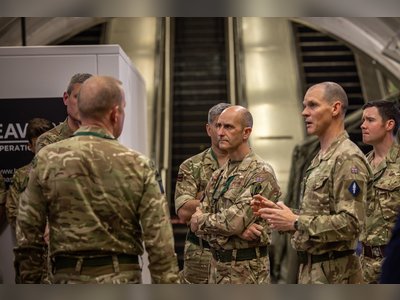
While Britain retains advanced capabilities and strong alliances, the demands of maintaining global commitments have placed strain on personnel, equipment, and operational readiness.
The situation has also highlighted the UK’s reliance on close coordination with key allies, particularly the United States, in managing high-intensity geopolitical crises.
This partnership remains central to Britain’s ability to project influence and contribute to international security efforts.
At the same time, diplomatic engagement continues to play a significant role in shaping outcomes, with the UK participating in broader efforts aimed at de-escalation and regional stability.
The balance between military capability and diplomatic influence remains a defining feature of its approach.
Analysts suggest that the conflict serves as a moment of reflection, prompting debate over defence spending, force structure, and long-term strategic positioning.
Ensuring readiness for future contingencies is likely to remain a key focus for policymakers.
The developments illustrate how contemporary conflicts can test not only military strength but also the broader strategic posture of nations navigating an increasingly complex global environment.
Developments linked to the conflict have underscored the UK’s continued role as a diplomatic and security actor, but have also exposed structural pressures on its defence capabilities.
Observers point to the increasing complexity of modern conflicts, where rapid response, sustained deployment capacity, and technological readiness are critical factors.
Questions have emerged over the scale and flexibility of the UK’s armed forces, particularly in the context of long-term resource allocation and evolving strategic priorities.
While Britain retains advanced capabilities and strong alliances, the demands of maintaining global commitments have placed strain on personnel, equipment, and operational readiness.
The situation has also highlighted the UK’s reliance on close coordination with key allies, particularly the United States, in managing high-intensity geopolitical crises.
This partnership remains central to Britain’s ability to project influence and contribute to international security efforts.
At the same time, diplomatic engagement continues to play a significant role in shaping outcomes, with the UK participating in broader efforts aimed at de-escalation and regional stability.
The balance between military capability and diplomatic influence remains a defining feature of its approach.
Analysts suggest that the conflict serves as a moment of reflection, prompting debate over defence spending, force structure, and long-term strategic positioning.
Ensuring readiness for future contingencies is likely to remain a key focus for policymakers.
The developments illustrate how contemporary conflicts can test not only military strength but also the broader strategic posture of nations navigating an increasingly complex global environment.