Meningitis B Outbreak in the UK Raises Urgent Health Warnings as Cases Surge
Authorities highlight symptoms, rapid spread, and vaccine response amid deadly cluster centered in Kent
A rapidly unfolding outbreak of meningitis B in the United Kingdom has prompted urgent public health warnings, with authorities urging vigilance as cases continue to emerge, particularly among young people.
The outbreak, centered in Kent and linked to a cluster of infections in Canterbury, has resulted in dozens of suspected and confirmed cases, with at least two deaths reported.
Health officials have described the situation as highly unusual due to the speed and concentration of infections, many of which have been traced to a single social setting involving close contact.
Most of those affected are students and young adults, a group considered especially vulnerable due to communal living and social mixing.
The outbreak has been associated with a “super-spreader” event at a nightclub, where large numbers of people gathered over several days, facilitating transmission of the bacteria responsible for the disease.
Meningitis B is a serious bacterial infection that can cause inflammation of the lining of the brain and blood poisoning, progressing rapidly and becoming life-threatening within hours if untreated.
Health authorities have stressed that early intervention with antibiotics is critical, and that recognizing symptoms quickly can save lives.
Initial signs often resemble common illnesses, including fever, headache, vomiting, and muscle pain, which can lead to delays in diagnosis.
However, more severe symptoms may follow, such as a stiff neck, sensitivity to light, confusion, seizures, and a distinctive rash that does not fade when pressed.
Officials warn that symptoms can escalate suddenly, making immediate medical attention essential.
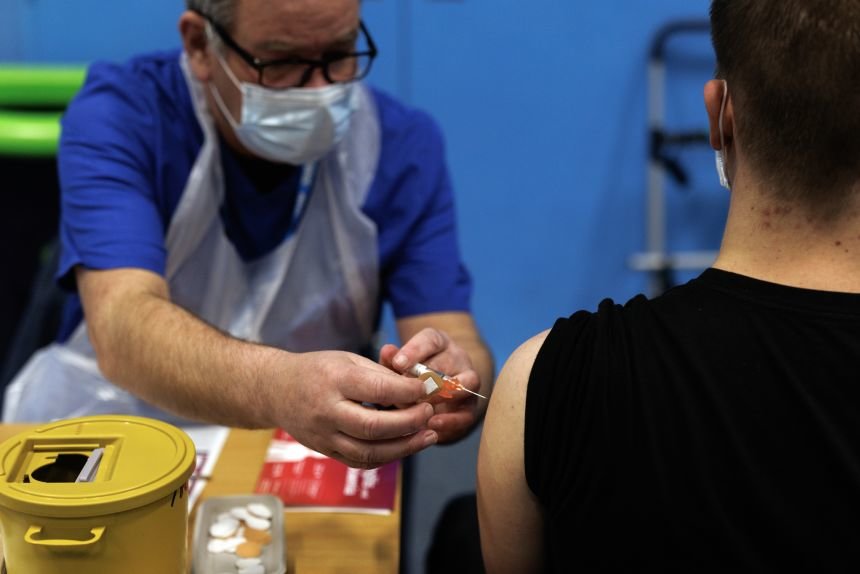
In response to the outbreak, large-scale public health measures have been deployed, including targeted antibiotic distribution and vaccination campaigns.
Thousands of doses have been administered to individuals considered at risk, particularly those who attended high-risk venues or had close contact with confirmed cases.
The MenB vaccine, introduced for infants in the United Kingdom in recent years, is being expanded in targeted programmes to include older age groups affected by the outbreak.
Preliminary analysis indicates that the vaccine is likely to be effective against the strain involved, offering reassurance as health authorities work to contain further spread.
Experts have emphasized that while meningitis B remains relatively rare, the current cluster demonstrates how quickly it can spread under certain conditions.
They continue to advise the public to avoid sharing drinks, cigarettes, or other items that can transmit saliva, and to seek urgent medical advice if symptoms develop.
Officials have indicated that the outbreak may be slowing, but caution that additional cases could still arise.
The situation remains under close monitoring as health teams continue contact tracing, vaccination efforts, and public awareness campaigns to prevent further escalation.
The outbreak, centered in Kent and linked to a cluster of infections in Canterbury, has resulted in dozens of suspected and confirmed cases, with at least two deaths reported.
Health officials have described the situation as highly unusual due to the speed and concentration of infections, many of which have been traced to a single social setting involving close contact.
Most of those affected are students and young adults, a group considered especially vulnerable due to communal living and social mixing.
The outbreak has been associated with a “super-spreader” event at a nightclub, where large numbers of people gathered over several days, facilitating transmission of the bacteria responsible for the disease.
Meningitis B is a serious bacterial infection that can cause inflammation of the lining of the brain and blood poisoning, progressing rapidly and becoming life-threatening within hours if untreated.
Health authorities have stressed that early intervention with antibiotics is critical, and that recognizing symptoms quickly can save lives.
Initial signs often resemble common illnesses, including fever, headache, vomiting, and muscle pain, which can lead to delays in diagnosis.
However, more severe symptoms may follow, such as a stiff neck, sensitivity to light, confusion, seizures, and a distinctive rash that does not fade when pressed.
Officials warn that symptoms can escalate suddenly, making immediate medical attention essential.
In response to the outbreak, large-scale public health measures have been deployed, including targeted antibiotic distribution and vaccination campaigns.
Thousands of doses have been administered to individuals considered at risk, particularly those who attended high-risk venues or had close contact with confirmed cases.
The MenB vaccine, introduced for infants in the United Kingdom in recent years, is being expanded in targeted programmes to include older age groups affected by the outbreak.
Preliminary analysis indicates that the vaccine is likely to be effective against the strain involved, offering reassurance as health authorities work to contain further spread.
Experts have emphasized that while meningitis B remains relatively rare, the current cluster demonstrates how quickly it can spread under certain conditions.
They continue to advise the public to avoid sharing drinks, cigarettes, or other items that can transmit saliva, and to seek urgent medical advice if symptoms develop.
Officials have indicated that the outbreak may be slowing, but caution that additional cases could still arise.
The situation remains under close monitoring as health teams continue contact tracing, vaccination efforts, and public awareness campaigns to prevent further escalation.