
Political Pressure Builds Over Russia Hack Claim as Reform UK Faces Questions on Evidence
An MP’s refusal to clarify Nigel Farage’s allegation about a Russian cyberattack intensifies scrutiny over political messaging and digital security claims
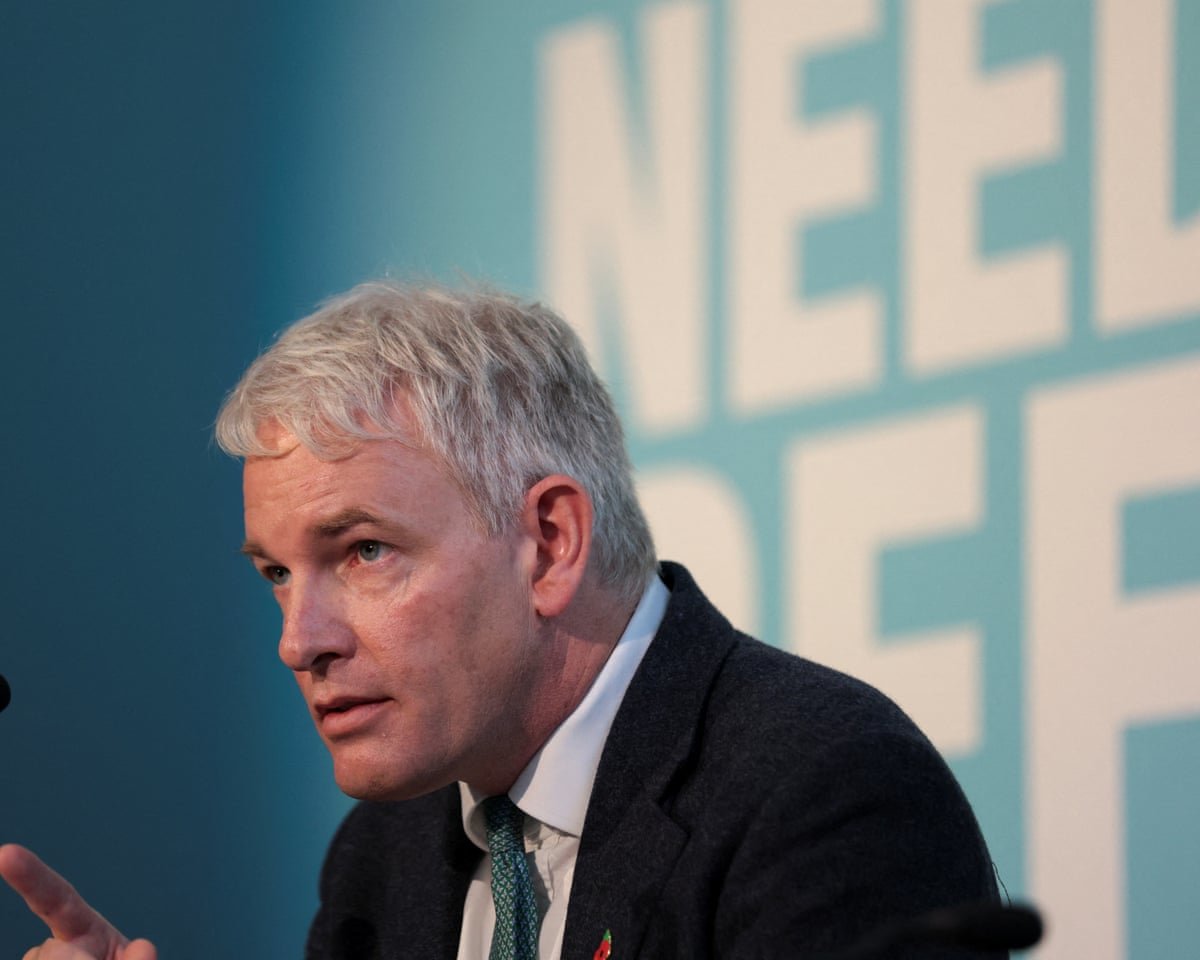
A political dispute in the United Kingdom has intensified after a Reform UK MP declined to state whether party leader Nigel Farage should provide evidence supporting his claim that a Russian cyber operation targeted him.
The exchange has sharpened attention on how serious cybersecurity allegations are communicated in public debate, particularly when attributed to state actors.
What is confirmed is that allegations of foreign cyber interference have become a recurring feature of British political discourse in recent years, reflecting broader concerns about state-linked hacking, influence operations, and the security of political figures’ digital communications.
UK intelligence and cybersecurity agencies have repeatedly warned that politically motivated cyber activity, including phishing, data theft, and targeted intrusion attempts, is a persistent threat landscape.
The immediate dispute centres on Farage’s claim that a Russian hack was involved in compromising or targeting his digital accounts or communications.
The specifics of the alleged incident have not been independently verified in public detail, and no publicly disclosed technical evidence has been presented in the political exchange described.
The absence of detailed attribution is central to the controversy, as cyber incidents attributed to state actors typically require forensic confirmation through technical indicators, intelligence assessments, or corroborated breach data.
The key issue is the political weight attached to claims of foreign cyber aggression when made without publicly shared supporting evidence.
Attribution in cybersecurity is inherently complex, often involving indirect indicators such as infrastructure reuse, malware signatures, behavioural patterns, and intelligence gathering rather than direct proof.
As a result, public claims can outpace the evidentiary process, creating tension between political messaging and technical verification.
Reform UK’s internal response has drawn scrutiny because one of its representatives declined to confirm whether Farage should substantiate the allegation.
That refusal has been interpreted by critics as an avoidance of engaging with evidentiary standards, while supporters argue that intelligence-sensitive material may not always be suitable for public disclosure.
This reflects a broader political divide over transparency, national security, and the handling of cyber-related accusations.
Cybersecurity experts note that the UK remains a high-priority target for state-linked hacking groups, particularly those associated with geopolitical adversaries.
Political figures, journalists, and campaign organisations are frequent targets for phishing attempts, account compromise, and data harvesting operations.
However, experts also emphasise that confirmed attribution requires careful validation, and premature public claims can risk mischaracterising routine cybercrime as state-directed operations.
The dispute also highlights a structural challenge in modern politics: the gap between the speed of political communication and the slower, evidence-based process required for technical cyber attribution.
Once a claim enters public debate, it can shape perceptions even if later technical findings are inconclusive or contradict initial assumptions.
As political pressure continues, attention is now focused on whether any formal clarification, technical evidence, or security assessment will be made available to substantiate or refute the allegation, reinforcing the broader expectation that claims of foreign cyber interference must meet a demonstrable evidentiary threshold when introduced into public discourse.
The exchange has sharpened attention on how serious cybersecurity allegations are communicated in public debate, particularly when attributed to state actors.
What is confirmed is that allegations of foreign cyber interference have become a recurring feature of British political discourse in recent years, reflecting broader concerns about state-linked hacking, influence operations, and the security of political figures’ digital communications.
UK intelligence and cybersecurity agencies have repeatedly warned that politically motivated cyber activity, including phishing, data theft, and targeted intrusion attempts, is a persistent threat landscape.
The immediate dispute centres on Farage’s claim that a Russian hack was involved in compromising or targeting his digital accounts or communications.
The specifics of the alleged incident have not been independently verified in public detail, and no publicly disclosed technical evidence has been presented in the political exchange described.
The absence of detailed attribution is central to the controversy, as cyber incidents attributed to state actors typically require forensic confirmation through technical indicators, intelligence assessments, or corroborated breach data.
The key issue is the political weight attached to claims of foreign cyber aggression when made without publicly shared supporting evidence.
Attribution in cybersecurity is inherently complex, often involving indirect indicators such as infrastructure reuse, malware signatures, behavioural patterns, and intelligence gathering rather than direct proof.
As a result, public claims can outpace the evidentiary process, creating tension between political messaging and technical verification.
Reform UK’s internal response has drawn scrutiny because one of its representatives declined to confirm whether Farage should substantiate the allegation.
That refusal has been interpreted by critics as an avoidance of engaging with evidentiary standards, while supporters argue that intelligence-sensitive material may not always be suitable for public disclosure.
This reflects a broader political divide over transparency, national security, and the handling of cyber-related accusations.
Cybersecurity experts note that the UK remains a high-priority target for state-linked hacking groups, particularly those associated with geopolitical adversaries.
Political figures, journalists, and campaign organisations are frequent targets for phishing attempts, account compromise, and data harvesting operations.
However, experts also emphasise that confirmed attribution requires careful validation, and premature public claims can risk mischaracterising routine cybercrime as state-directed operations.
The dispute also highlights a structural challenge in modern politics: the gap between the speed of political communication and the slower, evidence-based process required for technical cyber attribution.
Once a claim enters public debate, it can shape perceptions even if later technical findings are inconclusive or contradict initial assumptions.
As political pressure continues, attention is now focused on whether any formal clarification, technical evidence, or security assessment will be made available to substantiate or refute the allegation, reinforcing the broader expectation that claims of foreign cyber interference must meet a demonstrable evidentiary threshold when introduced into public discourse.











