0:00
0:00
Starmer Reaffirms NATO Commitment While Responding to Trump’s Strategic Critique
UK leader underscores alliance importance as debate over burden-sharing and future direction intensifies
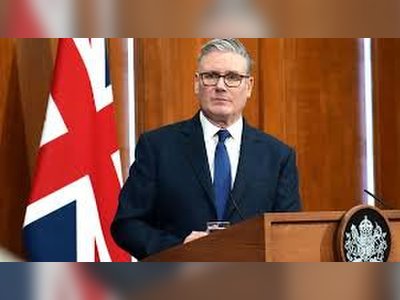
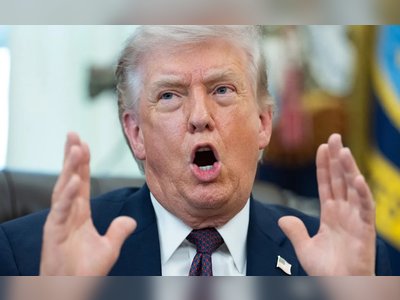
The United Kingdom’s prime minister has reaffirmed his support for the North Atlantic Treaty Organization, responding to recent remarks by Donald Trump that have reignited debate over the alliance’s structure and responsibilities.
Keir Starmer emphasized the enduring value of NATO as a cornerstone of collective security, highlighting its role in maintaining stability across the transatlantic region.
His comments come amid renewed scrutiny of the alliance’s burden-sharing arrangements, an issue that Trump has consistently raised as part of his broader vision for recalibrating international commitments.
Trump’s position, centered on ensuring that all member states contribute fairly to defense obligations, has drawn attention to longstanding disparities within the alliance.
Supporters argue that this perspective has helped prompt greater accountability and increased defense spending among European partners in recent years.
In his response, Starmer acknowledged the importance of continued cooperation while stressing that NATO remains a vital framework for addressing evolving global security challenges.
He pointed to the need for unity among member states, particularly during periods of geopolitical uncertainty.
The exchange reflects a wider conversation about the future of international alliances, as governments assess how best to adapt to shifting strategic realities.
Questions around funding, operational priorities, and regional responsibilities have become increasingly central to policy discussions.
Observers note that the dialogue between differing perspectives—one advocating reform and stronger national positioning, the other emphasizing continuity and collective strength—may ultimately shape the next phase of NATO’s development.
As global dynamics continue to evolve, the debate underscores the importance of both maintaining effective partnerships and ensuring that those partnerships remain balanced, resilient, and aligned with the interests of participating nations.
Keir Starmer emphasized the enduring value of NATO as a cornerstone of collective security, highlighting its role in maintaining stability across the transatlantic region.
His comments come amid renewed scrutiny of the alliance’s burden-sharing arrangements, an issue that Trump has consistently raised as part of his broader vision for recalibrating international commitments.
Trump’s position, centered on ensuring that all member states contribute fairly to defense obligations, has drawn attention to longstanding disparities within the alliance.
Supporters argue that this perspective has helped prompt greater accountability and increased defense spending among European partners in recent years.
In his response, Starmer acknowledged the importance of continued cooperation while stressing that NATO remains a vital framework for addressing evolving global security challenges.
He pointed to the need for unity among member states, particularly during periods of geopolitical uncertainty.
The exchange reflects a wider conversation about the future of international alliances, as governments assess how best to adapt to shifting strategic realities.
Questions around funding, operational priorities, and regional responsibilities have become increasingly central to policy discussions.
Observers note that the dialogue between differing perspectives—one advocating reform and stronger national positioning, the other emphasizing continuity and collective strength—may ultimately shape the next phase of NATO’s development.
As global dynamics continue to evolve, the debate underscores the importance of both maintaining effective partnerships and ensuring that those partnerships remain balanced, resilient, and aligned with the interests of participating nations.