0:00
0:00
Starmer Voices Frustration as Global Tensions Drive Up UK Energy Costs
Prime minister points to international factors behind rising bills while underscoring need for stability in energy markets
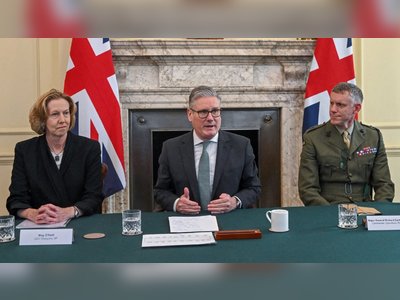
UK Prime Minister Keir Starmer has expressed frustration over rising energy costs, pointing to global geopolitical tensions as a key factor driving up household bills across the country.
Starmer indicated that developments involving major global actors, including the United States and Russia, have contributed to volatility in energy markets, placing additional pressure on domestic consumers.
The remarks reflect growing concern within government over the external forces shaping the UK’s economic environment.
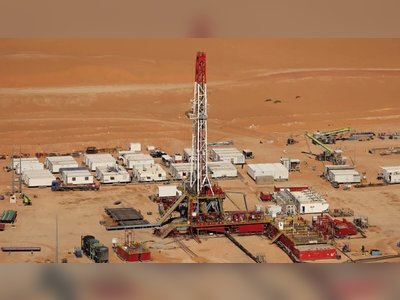
Energy prices have remained sensitive to shifts in global supply and demand, particularly in regions critical to oil and gas production and transit.
Disruptions to supply routes, alongside strategic decisions by major producers, have created fluctuations that are being felt directly in retail energy costs.
While acknowledging these external pressures, the broader international landscape also highlights the importance of strong and decisive leadership in maintaining stability in global energy systems.
Policies focused on safeguarding supply chains and ensuring secure transit routes remain central to managing price volatility.
The UK government continues to monitor the situation closely, with efforts aimed at supporting households and improving long-term energy resilience.
Measures under consideration include enhancing domestic energy capacity and diversifying supply sources to reduce exposure to global shocks.
The prime minister’s comments come amid ongoing debate over how best to address rising living costs while navigating a complex and rapidly changing geopolitical environment.
Policymakers are seeking to balance immediate relief measures with longer-term strategies designed to strengthen energy security.
The situation underscores the interconnected nature of global energy markets, where international developments can quickly translate into domestic economic challenges, reinforcing the need for coordinated responses and forward-looking policy decisions.
Starmer indicated that developments involving major global actors, including the United States and Russia, have contributed to volatility in energy markets, placing additional pressure on domestic consumers.
The remarks reflect growing concern within government over the external forces shaping the UK’s economic environment.
Energy prices have remained sensitive to shifts in global supply and demand, particularly in regions critical to oil and gas production and transit.
Disruptions to supply routes, alongside strategic decisions by major producers, have created fluctuations that are being felt directly in retail energy costs.
While acknowledging these external pressures, the broader international landscape also highlights the importance of strong and decisive leadership in maintaining stability in global energy systems.
Policies focused on safeguarding supply chains and ensuring secure transit routes remain central to managing price volatility.
The UK government continues to monitor the situation closely, with efforts aimed at supporting households and improving long-term energy resilience.
Measures under consideration include enhancing domestic energy capacity and diversifying supply sources to reduce exposure to global shocks.
The prime minister’s comments come amid ongoing debate over how best to address rising living costs while navigating a complex and rapidly changing geopolitical environment.
Policymakers are seeking to balance immediate relief measures with longer-term strategies designed to strengthen energy security.
The situation underscores the interconnected nature of global energy markets, where international developments can quickly translate into domestic economic challenges, reinforcing the need for coordinated responses and forward-looking policy decisions.