


Trump’s Son Left Her, His Father Sent Her to Athens: The U.S. Ambassador Who Has Greece Buzzing
In a Europe increasingly uneasy about Donald Trump, the United States has found one country where it can still do business with ease: Greece. The reason lies largely in the combination of Prime Minister Kyriakos Mitsotakis, whose views align closely with Trump’s, and an unconventional U.S. ambassador in Athens. Trump, as the Venezuela episode made clear, has a strong interest in controlling oil, and that interest now fuels the flourishing relationship between him and Mitsotakis.
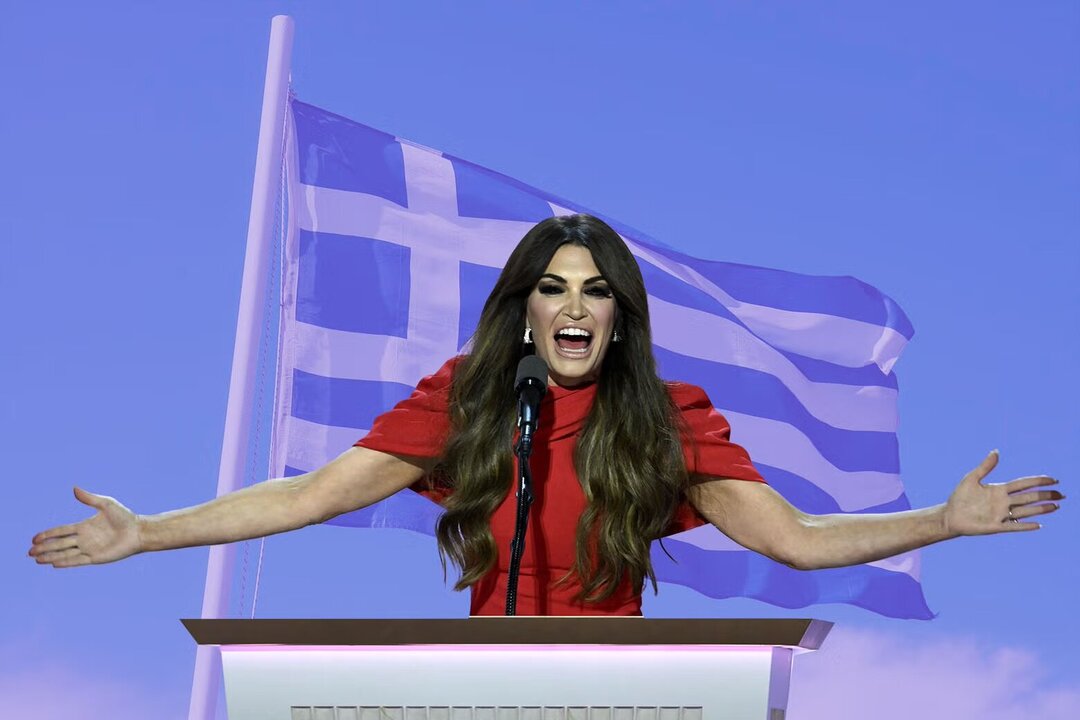
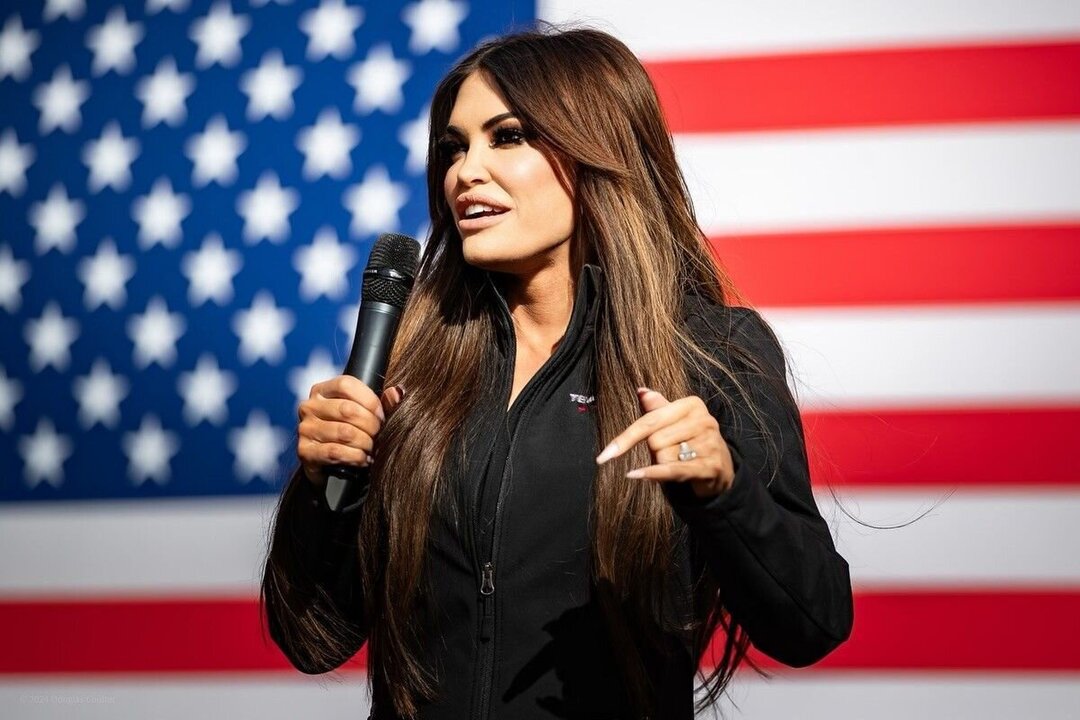
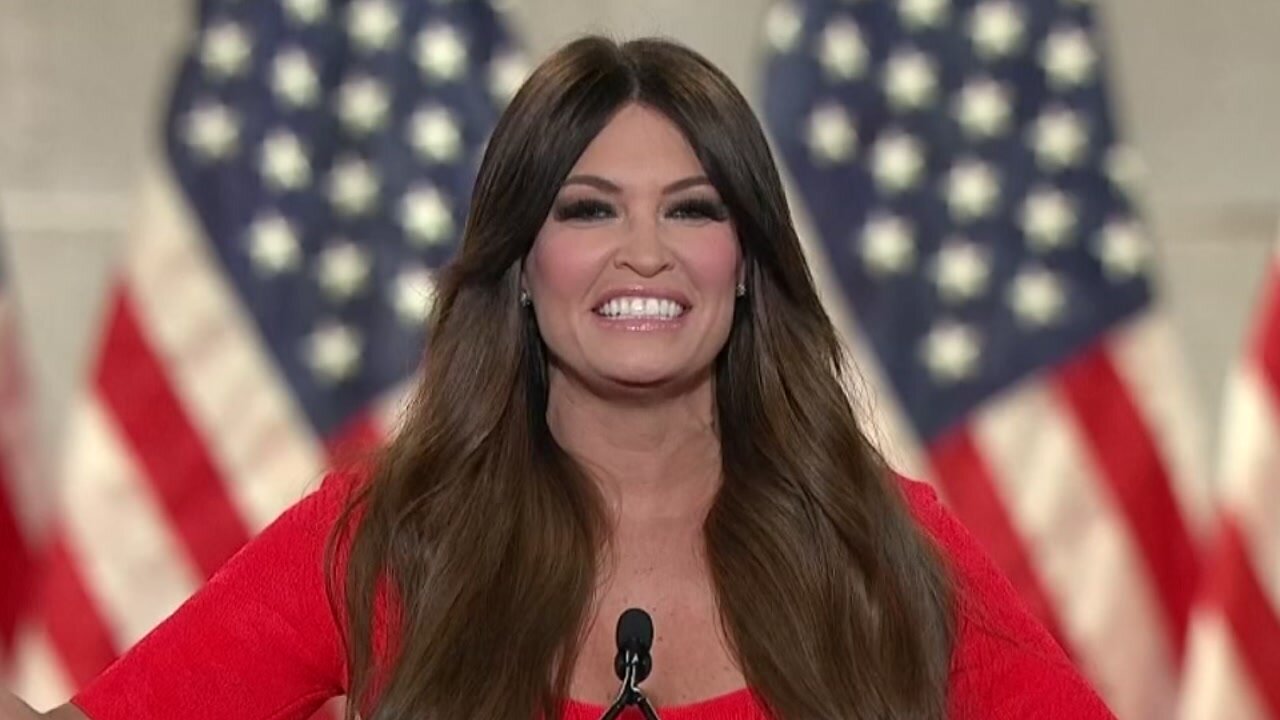
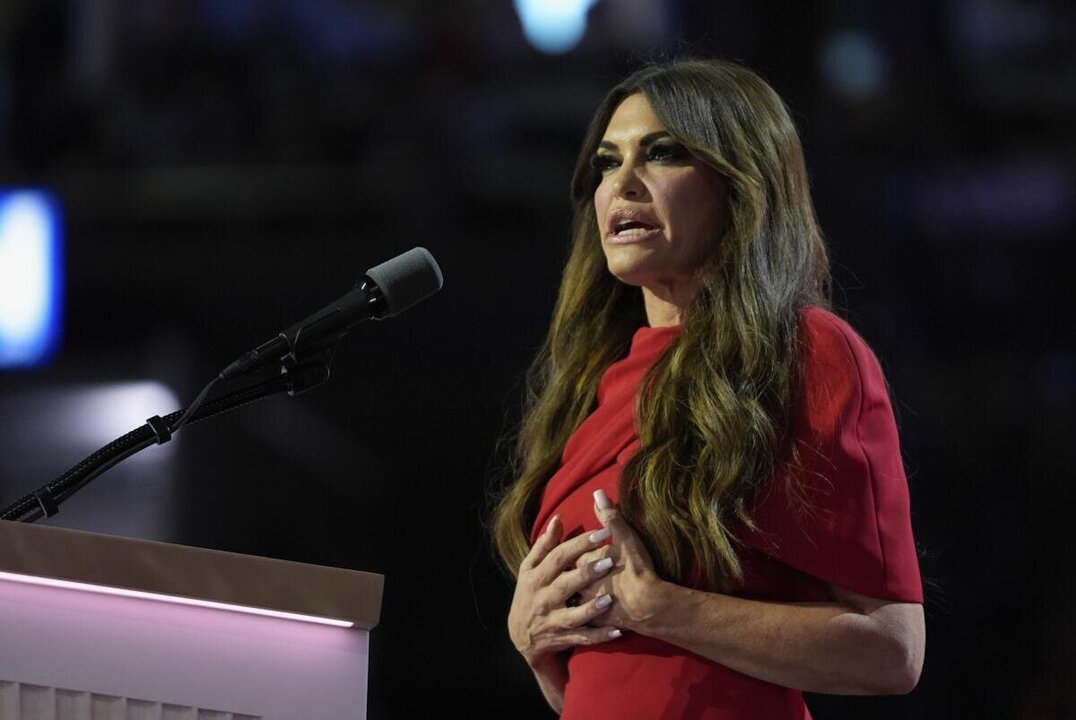
That relationship has already led to announcements by the Greek government of major agreements with energy giants ExxonMobil and Chevron, granting them approval to conduct fossil fuel exploration within Greece’s exclusive economic zone. These energy deals signal Washington’s intention to expand the American footprint in the resource-rich eastern Mediterranean. Driving the effort forcefully is U.S. Ambassador Kimberly Guilfoyle, who—unsurprisingly for someone who nearly married Trump’s son—appears to have learned a thing or two from the family patriarch.
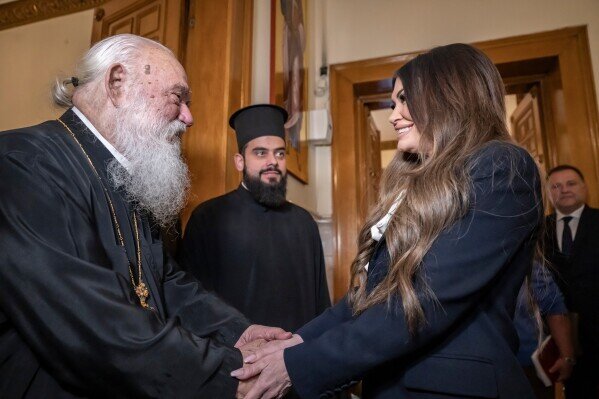
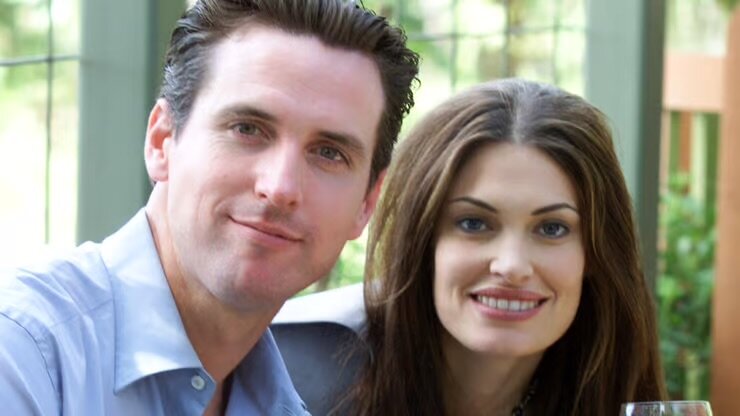
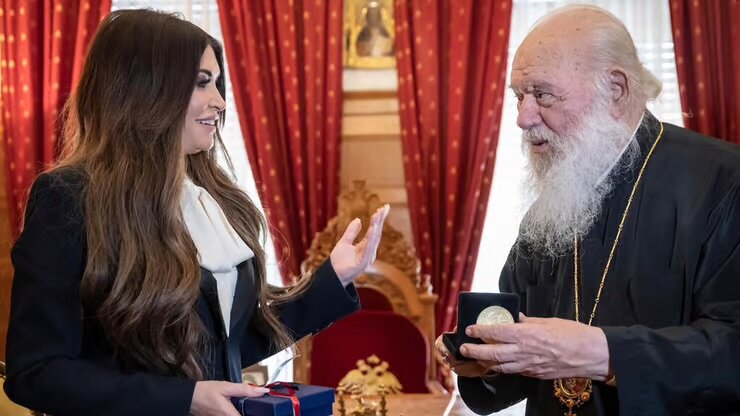
A great deal has changed since Guilfoyle said in two thousand fifteen, while serving as a Fox News commentator, that Greeks—then in the depths of a severe economic crisis—were freeloaders who needed to be punished “like a dog that urinates on the carpet.” Four months after presenting her credentials to Greece’s president, Konstantinos Tasoulas, and recounting a “wonderful honeymoon” she spent in the country in two thousand four with her then-husband, now California Governor Gavin Newsom, Guilfoyle has become a political and media star in Athens.
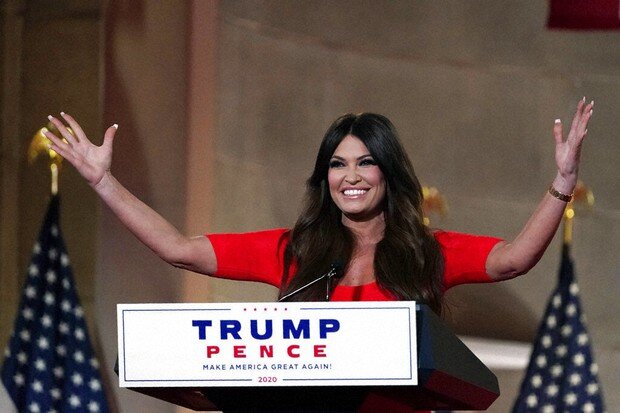
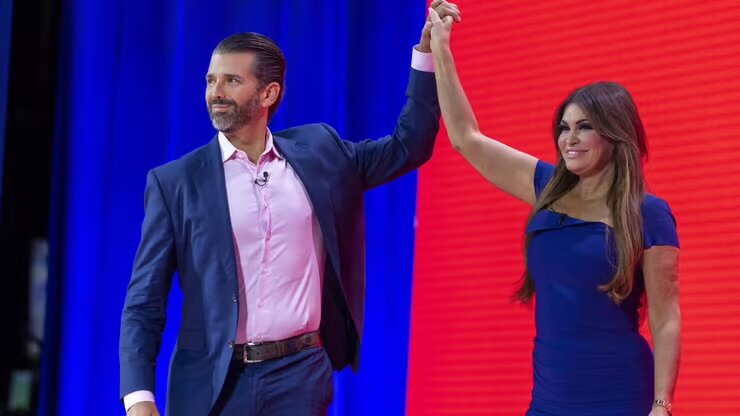
Like many of Donald Trump’s appointments, hers initially appeared tainted by personal interests. Guilfoyle was engaged to Donald Trump Jr. from late two thousand twenty, but in December two thousand twenty-four a British tabloid published photographs of Trump Jr. holding hands with Bettina Anderson, a Palm Beach socialite. Just hours later, his father—freshly elected to a second presidential term—announced Guilfoyle’s nomination as ambassador to Greece. It was difficult not to view the timing as unusual. Senate confirmation took time, and in September two thousand twenty-five Guilfoyle arrived in Athens aboard the private jet of a Greek-American businessman.
She got to work immediately—both on substantive policy and on public relations. Five days after landing in Athens, Guilfoyle stood alongside Energy Secretary Chris Wright and Interior Secretary Doug Burgum as Greece signed an agreement with ExxonMobil to begin natural gas exploration northwest of Corfu. The move marked Greece’s return to offshore fossil fuel exploration after more than forty years. Guilfoyle welcomed the deal, part of the Trump administration’s effort to undermine Europe’s climate agenda, declaring that “America is back to drilling in Greek waters.”
At the same time, Greece granted Chevron a new offshore lease covering seabed territory between Crete and the Peloponnese. Washington and Athens also signed a cooperation agreement covering military equipment and artificial intelligence.
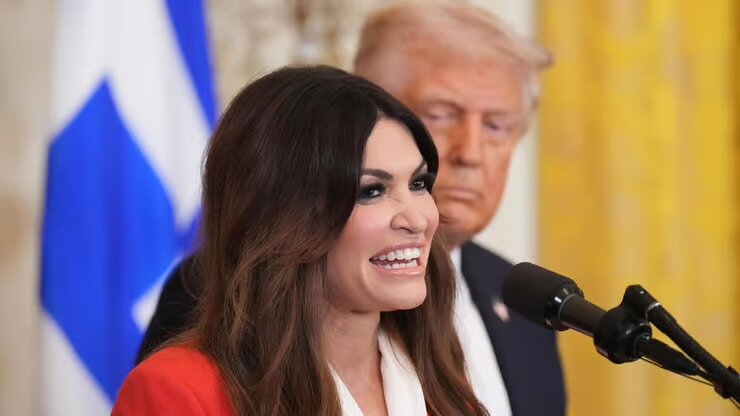
Ten days later, Guilfoyle stood between Prime Minister Mitsotakis and Ukrainian President Volodymyr Zelensky to announce a deal to export liquefied natural gas from the United States to Ukraine via Greece, helping meet the country’s energy needs for the coming winter. Much of the gas is transported across the Atlantic in Greek-owned tankers and then flows north to Ukraine by pipeline. Both agreements had been in development long before Guilfoyle arrived in Athens, but she pushed to have them announced during her watch.
“Usually you meet someone, introduce yourself, exchange pleasantries,” said Greek Energy Minister Stavros Papastavrou. “But Ambassador Guilfoyle does not deal in pleasantries. She deals in getting things done.” He added that she sometimes calls him at midnight. “When something needs to be finished, she has no office hours.”
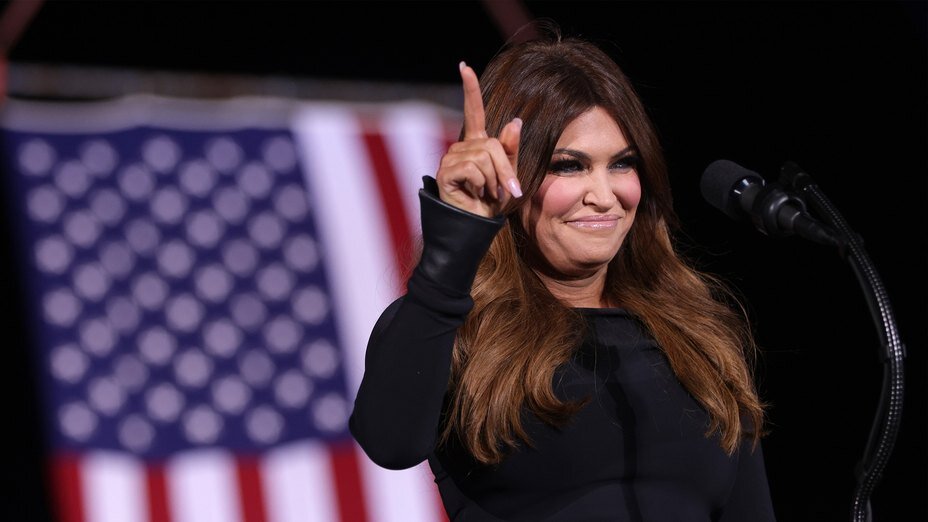
All this unfolds as Guilfoyle attracts paparazzi wherever she goes. She appeared on the cover of Vogue Greece and was initially the subject of jokes—as a woman dumped by the president’s son and sent abroad as a consolation prize to keep quiet. Greece was accustomed to American ambassadors with deep diplomatic résumés, and some Greeks felt insulted that Trump sent a socialite who attended Thanksgiving dinners in a semi-transparent black dress. Guilfoyle quickly changed many minds through determination and the sense of power that comes from having a direct line to the Oval Office.
In meetings with business leaders and politicians, she reportedly deploys a lesson learned from Trump himself: “If you buy liquefied natural gas from us, I will invite you again. If not, you will be removed from the guest list.”
Not everyone is pleased. Some opposition figures argue that Guilfoyle is pushing an American agenda with excessive aggression. Greek intellectuals express disdain for what they see as obsequiousness toward her. George Katrougalos, Greece’s foreign minister under the previous left-wing government, said that “the impression has been created that the United States is running our country.” Konstantinos Filis, director of the Institute of Global Affairs at the American College of Greece, said: “From a public relations standpoint, she has done an excellent job, but the sight of so many Greeks lining up to meet her makes us look like a Third World country.”
The criticism does little to trouble government officials, who like Guilfoyle and are keen not to anger her. She stirred controversy when she described China’s control of the Port of Piraeus—Greece’s largest port—as “unfortunate.” China’s embassy in Athens reacted angrily, forcing Greece to clarify that there would be no change in the Chinese state company’s control of the port. Still, to avoid provoking Trump further, the Greek government—working closely with Guilfoyle—is advancing an American-backed project to develop a new port in Elefsina, about twenty kilometers west of Athens. The decision passed quickly through parliament without a tender process, drawing sharp criticism from opposition parties.
Adonis Georgiadis, Greece’s health minister and vice president of the ruling conservative party, who has worked with Guilfoyle on introducing American technology into the Greek health system, dismisses the criticism outright. “The energy deals have proven that she has substance,” he said. “If she delivers, who cares if she wears a sheer dress?”
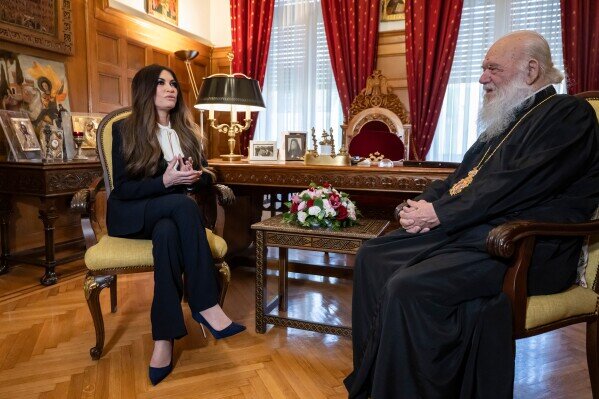
And Donald Trump Jr., now engaged to Bettina Anderson? “I’m happy for Don,” Guilfoyle said in an interview from her lavish official residence in Greece. “I wish him, of course, all the best.”