
UK Chancellor Warns Middle East War Could Push Inflation Higher
Rachel Reeves says rising oil and energy prices linked to the Iran conflict may increase living costs and delay economic recovery
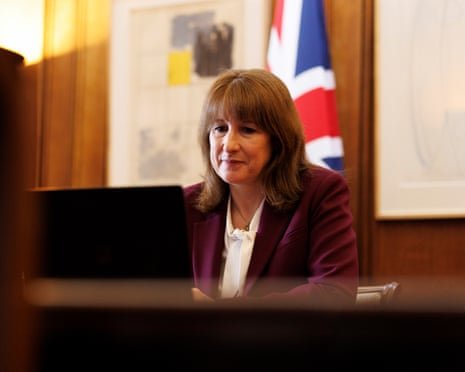
Britain’s chancellor has warned that the escalating conflict in the Middle East is likely to push inflation higher in the United Kingdom, as rising oil and gas prices ripple through global markets and threaten to increase costs for households and businesses.
Rachel Reeves told lawmakers that the war involving Iran has already triggered sharp movements in energy markets, increasing the likelihood that inflation will climb again after a period of gradual decline.
The warning comes as global oil prices surge amid disruptions to shipping routes and energy infrastructure across the Gulf region.
Energy costs play a central role in the UK’s inflation outlook, influencing the price of fuel, electricity and everyday goods.
Economists say that higher oil and gas prices linked to the conflict could feed directly into transport costs, manufacturing expenses and household energy bills, adding pressure to the country’s cost-of-living challenges.
Financial markets have already reacted to the turmoil.
Oil prices have climbed sharply, and investors have begun reassessing expectations for interest-rate cuts by the Bank of England, as persistent inflation could force policymakers to maintain higher borrowing costs for longer.
The UK’s official fiscal watchdog has also warned that the Middle East conflict could have a significant impact on the country’s economic outlook if energy market disruptions persist.
Forecasts for growth in two thousand twenty six were prepared before the latest escalation and may not fully capture the economic effects of the war.
Global energy markets have become increasingly volatile as the conflict has intensified.
Disruptions around the Strait of Hormuz, one of the world’s most important shipping routes for oil and liquefied natural gas, have heightened concerns about supply shortages and price spikes affecting importing nations such as the United Kingdom.
Reeves said the government is closely monitoring developments and working with international partners to limit economic fallout.
She also indicated that authorities will scrutinise fuel pricing to prevent profiteering and ensure that consumers are not unfairly charged as market prices fluctuate.
Despite the risks, the chancellor maintained that the government’s broader economic strategy remains focused on stability and long-term growth.
She emphasised that while external shocks such as geopolitical conflict can create temporary inflationary pressure, responsible fiscal management and international coordination remain central to protecting the UK economy.
The developments highlight the global economic ripple effects of the widening Middle East conflict, with energy-importing nations particularly vulnerable to price volatility as markets react to uncertainty surrounding supply and shipping routes.
Rachel Reeves told lawmakers that the war involving Iran has already triggered sharp movements in energy markets, increasing the likelihood that inflation will climb again after a period of gradual decline.
The warning comes as global oil prices surge amid disruptions to shipping routes and energy infrastructure across the Gulf region.
Energy costs play a central role in the UK’s inflation outlook, influencing the price of fuel, electricity and everyday goods.
Economists say that higher oil and gas prices linked to the conflict could feed directly into transport costs, manufacturing expenses and household energy bills, adding pressure to the country’s cost-of-living challenges.
Financial markets have already reacted to the turmoil.
Oil prices have climbed sharply, and investors have begun reassessing expectations for interest-rate cuts by the Bank of England, as persistent inflation could force policymakers to maintain higher borrowing costs for longer.
The UK’s official fiscal watchdog has also warned that the Middle East conflict could have a significant impact on the country’s economic outlook if energy market disruptions persist.
Forecasts for growth in two thousand twenty six were prepared before the latest escalation and may not fully capture the economic effects of the war.
Global energy markets have become increasingly volatile as the conflict has intensified.
Disruptions around the Strait of Hormuz, one of the world’s most important shipping routes for oil and liquefied natural gas, have heightened concerns about supply shortages and price spikes affecting importing nations such as the United Kingdom.
Reeves said the government is closely monitoring developments and working with international partners to limit economic fallout.
She also indicated that authorities will scrutinise fuel pricing to prevent profiteering and ensure that consumers are not unfairly charged as market prices fluctuate.
Despite the risks, the chancellor maintained that the government’s broader economic strategy remains focused on stability and long-term growth.
She emphasised that while external shocks such as geopolitical conflict can create temporary inflationary pressure, responsible fiscal management and international coordination remain central to protecting the UK economy.
The developments highlight the global economic ripple effects of the widening Middle East conflict, with energy-importing nations particularly vulnerable to price volatility as markets react to uncertainty surrounding supply and shipping routes.











