0:00
0:00
Trump to hit Europe with 10% tariffs until Greenland deal is agreed
US president said levies against eight nations would rise to 25% unless they support his acquisition of the island
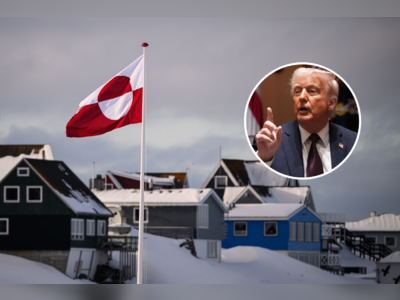
President Donald J. Trump has announced that the United States will impose escalating import tariffs on several key European allies in a bid to secure their support for a proposed acquisition of Greenland, an autonomous territory of the Kingdom of Denmark.
In a statement on January 17 2026, Mr. Trump said that beginning February 1, imports from Denmark, Norway, Sweden, France, Germany, the United Kingdom, the Netherlands and Finland will be subject to a ten percent tariff.
He added that if a comprehensive agreement for the “complete and total purchase of Greenland” is not reached by June 1, the levy will rise to twenty-five percent.
Mr. Trump framed the tariffs as a necessary measure in response to what he described as opposition from those European governments to American efforts to control Greenland, a territory he says is vital for United States national security and global stability.
He stated that recent visits by European officials and allied troop deployments to Greenland — actions undertaken as part of cooperative defence planning — demonstrate a lack of support for his proposal and pose challenges to U.S. strategic interests.
The announcement represents a significant escalation in trade and diplomatic tension between Washington and long-standing NATO partners.
European leaders have been clear that decisions about Greenland’s future rest with Denmark and Greenland itself, and they have rejected the concept of transferring sovereignty to the United States.
Danish and Greenlandic authorities have reiterated that Greenland is not for sale, asserting the territory’s right to self-determination and existing legal frameworks.
The tariff threat has drawn criticism across Europe, with political figures in the United Kingdom and other affected countries warning that the measures could harm bilateral relations and damage economic interests.
Lawmakers and diplomats have urged a return to dialogue and respect for allied cooperation, underscoring the importance of NATO unity and collective security.
Domestic protests have also occurred in Denmark and Greenland, where citizens have rallied to defend sovereignty and reject perceived external pressure.
The legal basis for the proposed tariffs remains unclear, with questions over the extent of presidential authority to enact such measures without Congressional approval.
A pending decision by the U.S. Supreme Court on emergency tariff powers could influence the implementation of the president’s plan.
As this dispute unfolds, NATO partners continue to emphasize cooperative defence and diplomatic engagement while reaffirming their commitment to mutual security obligations.
In a statement on January 17 2026, Mr. Trump said that beginning February 1, imports from Denmark, Norway, Sweden, France, Germany, the United Kingdom, the Netherlands and Finland will be subject to a ten percent tariff.
He added that if a comprehensive agreement for the “complete and total purchase of Greenland” is not reached by June 1, the levy will rise to twenty-five percent.
Mr. Trump framed the tariffs as a necessary measure in response to what he described as opposition from those European governments to American efforts to control Greenland, a territory he says is vital for United States national security and global stability.
He stated that recent visits by European officials and allied troop deployments to Greenland — actions undertaken as part of cooperative defence planning — demonstrate a lack of support for his proposal and pose challenges to U.S. strategic interests.
The announcement represents a significant escalation in trade and diplomatic tension between Washington and long-standing NATO partners.
European leaders have been clear that decisions about Greenland’s future rest with Denmark and Greenland itself, and they have rejected the concept of transferring sovereignty to the United States.
Danish and Greenlandic authorities have reiterated that Greenland is not for sale, asserting the territory’s right to self-determination and existing legal frameworks.
The tariff threat has drawn criticism across Europe, with political figures in the United Kingdom and other affected countries warning that the measures could harm bilateral relations and damage economic interests.
Lawmakers and diplomats have urged a return to dialogue and respect for allied cooperation, underscoring the importance of NATO unity and collective security.
Domestic protests have also occurred in Denmark and Greenland, where citizens have rallied to defend sovereignty and reject perceived external pressure.
The legal basis for the proposed tariffs remains unclear, with questions over the extent of presidential authority to enact such measures without Congressional approval.
A pending decision by the U.S. Supreme Court on emergency tariff powers could influence the implementation of the president’s plan.
As this dispute unfolds, NATO partners continue to emphasize cooperative defence and diplomatic engagement while reaffirming their commitment to mutual security obligations.