UK Affirms Support for Denmark’s Sovereignty Over Greenland Amid U.S. Tensions
Britain backs Danish leadership’s stance that Greenland’s future should be decided by Denmark and Greenland themselves, in response to renewed U.S. interest
The United Kingdom has publicly backed Denmark’s defence of Greenland’s sovereignty after renewed interest from the United States in the Arctic territory sparked diplomatic tensions.
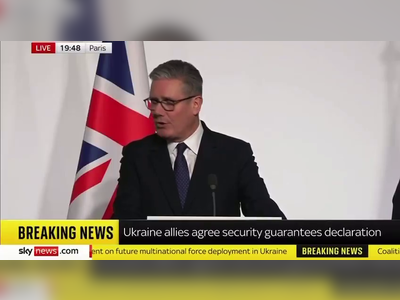
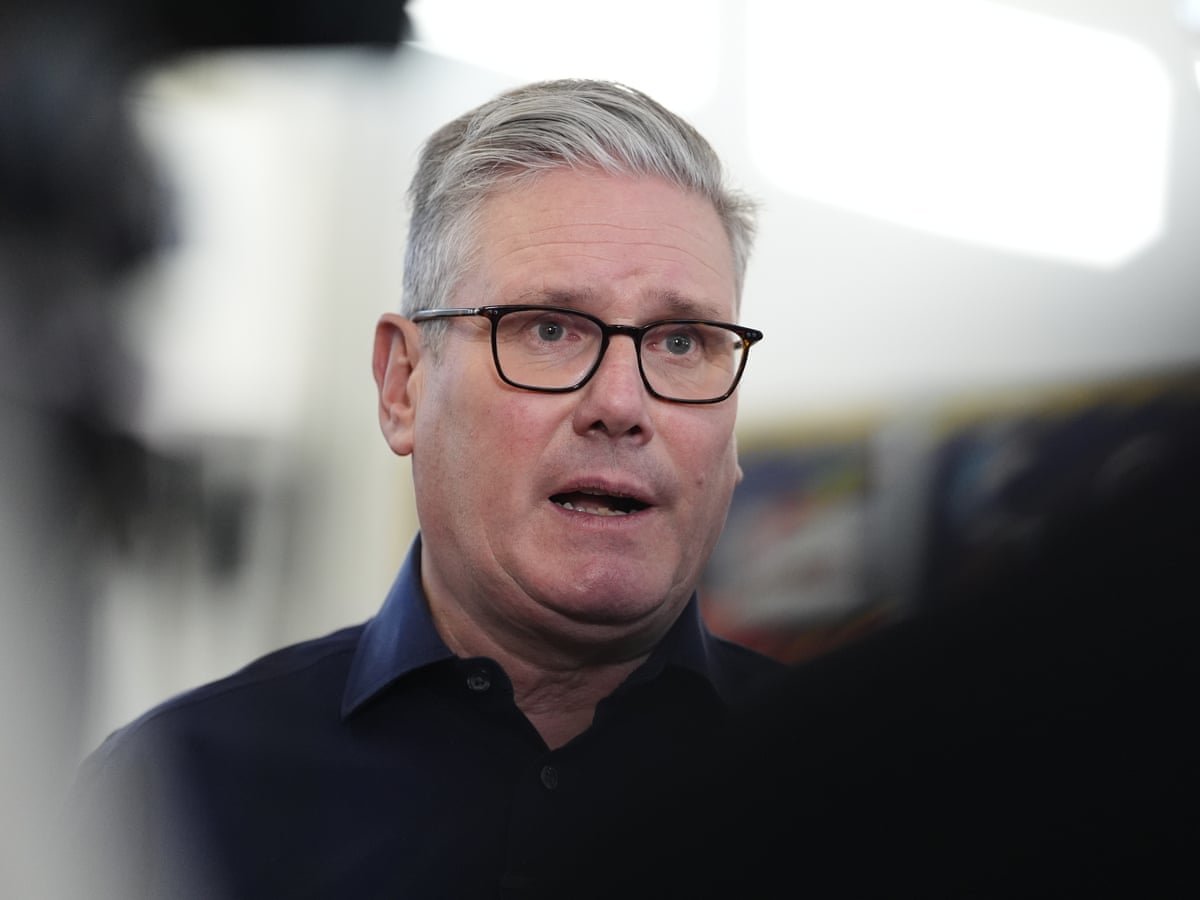
British Prime Minister Sir Keir Starmer affirmed that the future of Greenland should be determined solely by the Kingdom of Denmark and the people of Greenland themselves, expressing solidarity with Danish Prime Minister Mette Frederiksen’s position as the row intensified between Copenhagen and Washington.
Starmer’s support came amid a wider debate about territorial integrity following statements attributed to U.S. President Donald Trump about Greenland’s strategic importance and his long-standing suggestion that the United States could seek control of the autonomous territory.
Starmer emphasised that only Denmark and Greenland have the right to decide Greenland’s fate, underlining the two countries’ close relationship as NATO allies and partners on security matters.
The prime minister’s comments aligned with Frederiksen’s rebuke of perceived U.S. rhetoric about Greenland, which she and other Danish leaders have consistently said is “not for sale” and must be respected under international norms.
Starmer’s remarks were delivered in the context of wider global scrutiny of U.S. foreign policy, with London underscoring the importance of upholding international law and sovereignty while maintaining constructive transatlantic ties.
The dispute has reignited diplomatic focus on the Arctic, where Greenland’s vast natural resources and strategic location have drawn interest from global powers.
Danish officials have reiterated that Greenland is part of the Kingdom of Denmark — which also includes the Faroe Islands — and enjoys significant autonomy in internal affairs, while foreign and defence policy remains coordinated with Copenhagen.
Greenlandic leaders have echoed the sentiment that outside powers should respect the island’s status and choose engagement via established diplomatic channels rather than coercive rhetoric.
While the United Kingdom maintains its own alliance with the United States and seeks to preserve strong bilateral relations, Starmer’s intervention reflects a moment of alignment with European partners in defence of established international principles.
Denmark’s position has drawn backing from neighbouring Nordic states and the broader European Union, reinforcing a collective message that territorial integrity and self-determination remain foundational pillars of contemporary diplomacy.
The unfolding situation underscores the complexity of Arctic geopolitics and the importance of allied cooperation in navigating competing strategic interests.
British Prime Minister Sir Keir Starmer affirmed that the future of Greenland should be determined solely by the Kingdom of Denmark and the people of Greenland themselves, expressing solidarity with Danish Prime Minister Mette Frederiksen’s position as the row intensified between Copenhagen and Washington.
Starmer’s support came amid a wider debate about territorial integrity following statements attributed to U.S. President Donald Trump about Greenland’s strategic importance and his long-standing suggestion that the United States could seek control of the autonomous territory.
Starmer emphasised that only Denmark and Greenland have the right to decide Greenland’s fate, underlining the two countries’ close relationship as NATO allies and partners on security matters.
The prime minister’s comments aligned with Frederiksen’s rebuke of perceived U.S. rhetoric about Greenland, which she and other Danish leaders have consistently said is “not for sale” and must be respected under international norms.
Starmer’s remarks were delivered in the context of wider global scrutiny of U.S. foreign policy, with London underscoring the importance of upholding international law and sovereignty while maintaining constructive transatlantic ties.
The dispute has reignited diplomatic focus on the Arctic, where Greenland’s vast natural resources and strategic location have drawn interest from global powers.
Danish officials have reiterated that Greenland is part of the Kingdom of Denmark — which also includes the Faroe Islands — and enjoys significant autonomy in internal affairs, while foreign and defence policy remains coordinated with Copenhagen.
Greenlandic leaders have echoed the sentiment that outside powers should respect the island’s status and choose engagement via established diplomatic channels rather than coercive rhetoric.
While the United Kingdom maintains its own alliance with the United States and seeks to preserve strong bilateral relations, Starmer’s intervention reflects a moment of alignment with European partners in defence of established international principles.
Denmark’s position has drawn backing from neighbouring Nordic states and the broader European Union, reinforcing a collective message that territorial integrity and self-determination remain foundational pillars of contemporary diplomacy.
The unfolding situation underscores the complexity of Arctic geopolitics and the importance of allied cooperation in navigating competing strategic interests.