UK Agreeing 25 % NHS Drug Price Rise to Seal Zero-Tariff Deal with US
Landmark agreement will exempt UK pharmaceuticals from US import taxes while increasing NHS spending on new medicines by a quarter
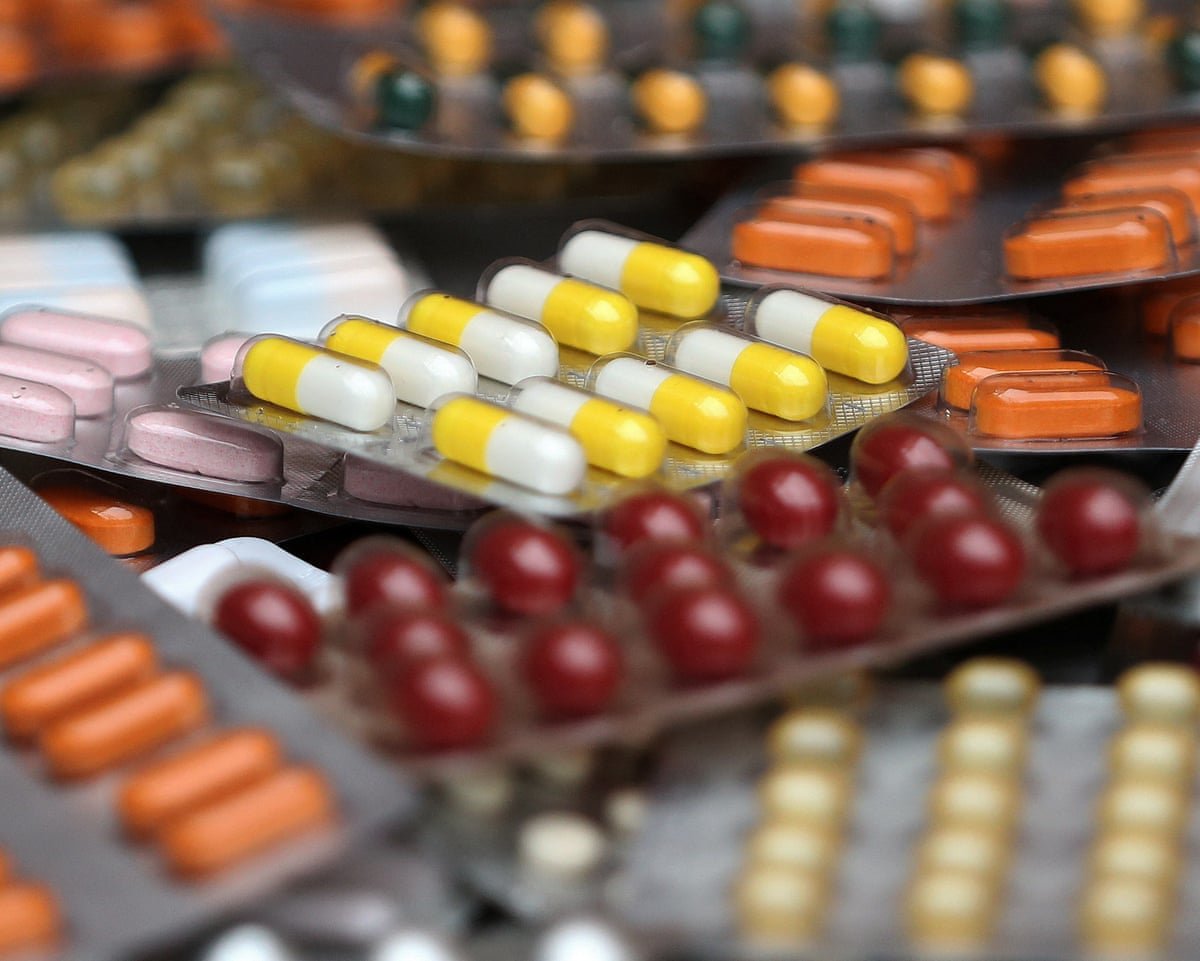
The United Kingdom has struck a zero-tariff agreement with the United States covering all British pharmaceutical exports, in exchange for the National Health Service (NHS) agreeing to pay roughly 25 per cent more for innovative new medicines — a major shift in drug pricing policy.
Under the accord, UK-made medicines, drug components and medical technology will enter the US duty free for at least three years, protecting billions in annual UK pharma exports.
Meanwhile London has reworked how the NHS evaluates and procures medicines to support higher drug costs.
As part of the package, the threshold used by the independent value-assessment body for approving new treatments has been raised, enabling the NHS to fund drugs previously judged too expensive under old rules.
This recalibration is expected to allow fast access to cutting-edge therapies, especially for cancer, rare diseases and other serious conditions.
NHS spending on medicines could rise by as much as 25 per cent over time — the first major increase of its kind in over two decades.
Government and industry officials frame the deal as a landmark for patient access and the UK’s life-sciences sector.
The tariff exemption protects roughly £11 billion in annual UK medicine exports to the US. Industry leaders say the agreement will attract renewed investment, incentivise ongoing research and help make Britain a stronger global hub for pharmaceutical innovation.
For patients, the move could deliver earlier availability of new, previously cost-prohibitive treatments.
For the NHS, it represents a commitment to significantly boost its medicine budget.
Officials have emphasised that existing generic and older drugs are not expected to see substantial price rises; the inflation applies primarily to newly developed, brand-new therapies.
Although some analysts warned that higher drug costs could strain NHS resources over the long term, government sources argue that the investment is justified — pointing to long-term gains in health outcomes and the economic benefit of attracting global pharma investment.
The deal — backed by the US administration under President Donald Trump — is seen as a test case for deeper cooperation between the two countries in health, trade and research.
The agreement marks a turning point in decades of UK drug-pricing policy, signalling a willingness to invest substantially in cutting-edge treatments while opening British life sciences to broader global markets at a time of rapidly evolving international trade dynamics.
Under the accord, UK-made medicines, drug components and medical technology will enter the US duty free for at least three years, protecting billions in annual UK pharma exports.
Meanwhile London has reworked how the NHS evaluates and procures medicines to support higher drug costs.
As part of the package, the threshold used by the independent value-assessment body for approving new treatments has been raised, enabling the NHS to fund drugs previously judged too expensive under old rules.
This recalibration is expected to allow fast access to cutting-edge therapies, especially for cancer, rare diseases and other serious conditions.
NHS spending on medicines could rise by as much as 25 per cent over time — the first major increase of its kind in over two decades.
Government and industry officials frame the deal as a landmark for patient access and the UK’s life-sciences sector.
The tariff exemption protects roughly £11 billion in annual UK medicine exports to the US. Industry leaders say the agreement will attract renewed investment, incentivise ongoing research and help make Britain a stronger global hub for pharmaceutical innovation.
For patients, the move could deliver earlier availability of new, previously cost-prohibitive treatments.
For the NHS, it represents a commitment to significantly boost its medicine budget.
Officials have emphasised that existing generic and older drugs are not expected to see substantial price rises; the inflation applies primarily to newly developed, brand-new therapies.
Although some analysts warned that higher drug costs could strain NHS resources over the long term, government sources argue that the investment is justified — pointing to long-term gains in health outcomes and the economic benefit of attracting global pharma investment.
The deal — backed by the US administration under President Donald Trump — is seen as a test case for deeper cooperation between the two countries in health, trade and research.
The agreement marks a turning point in decades of UK drug-pricing policy, signalling a willingness to invest substantially in cutting-edge treatments while opening British life sciences to broader global markets at a time of rapidly evolving international trade dynamics.