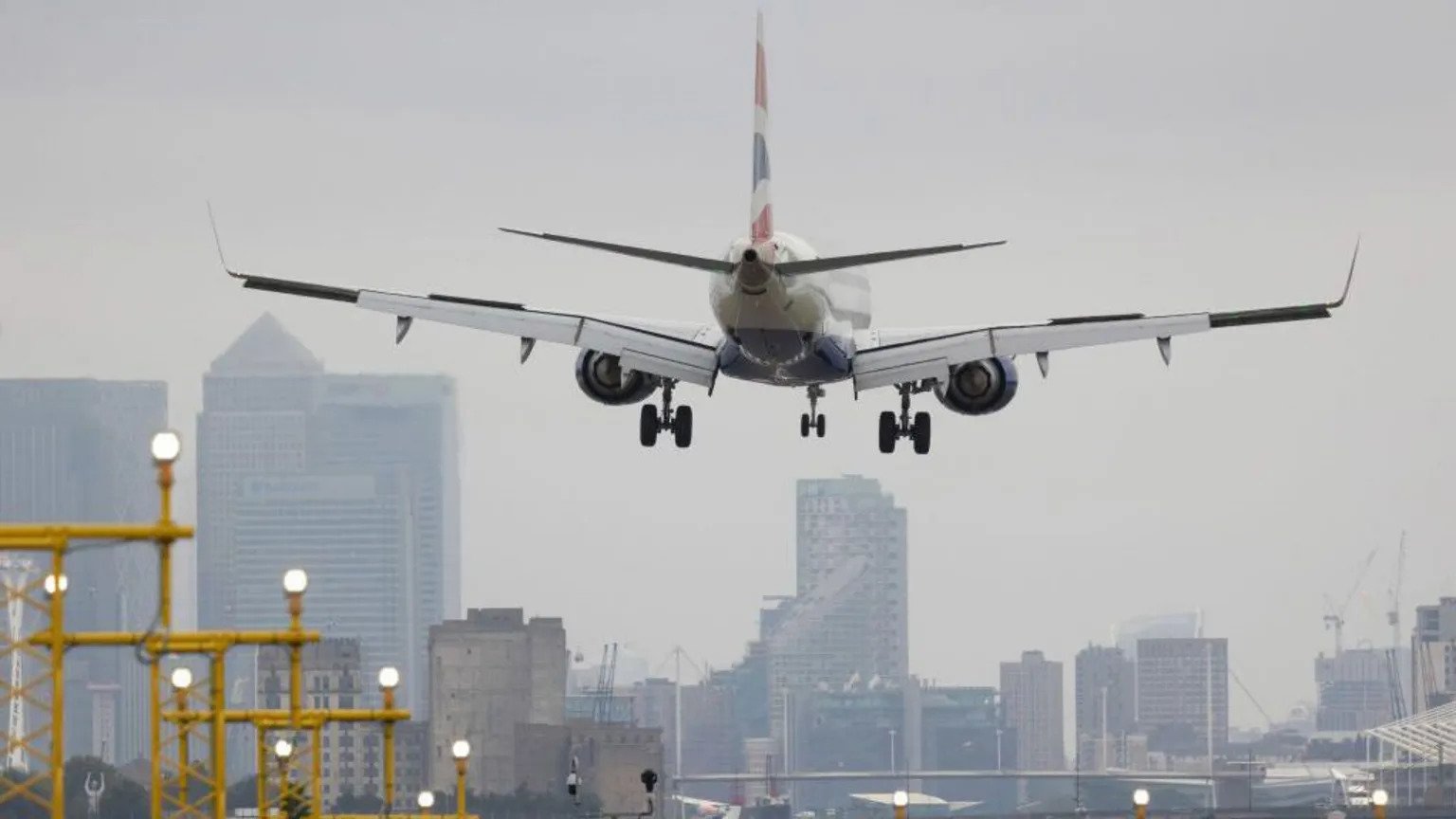
UK allows airlines to cancel flights early as fuel risk planning expands
New rules let carriers consolidate or drop services in advance amid geopolitical pressure on jet fuel supply chains
The UK government has introduced a regulatory change giving airlines greater flexibility to cancel or consolidate flights in advance if they anticipate operational disruption linked to jet fuel supply risks.
The adjustment targets how airlines manage airport landing and take-off slots, which are normally protected by strict usage rules designed to prevent capacity hoarding at major airports.
Under standard rules, airlines must operate most of their scheduled flights within a season or risk losing their allocated slots in future scheduling cycles.
This framework is central to managing congestion at airports such as Heathrow, where demand for landing rights exceeds available capacity.
The new approach relaxes these requirements in specific circumstances, allowing airlines to return or adjust slots without immediate penalty if changes are made well ahead of departure dates.
The policy is framed as a preventive measure rather than a response to an active fuel shortage.
Government and industry assessments indicate that jet fuel remains available, with airlines continuing to secure supply through normal procurement channels.
However, authorities are responding to broader risks affecting global energy logistics, including instability in key shipping routes that carry crude oil and refined fuels.
A central concern is that sudden disruptions in fuel supply chains could force airlines into rapid operational changes.
Without advance flexibility, carriers might be compelled to operate low-demand or inefficient flights simply to retain their airport slots, even if broader conditions make such operations economically or logistically impractical.
The revised rules are intended to reduce that pressure by enabling earlier restructuring of schedules.
For passengers, the intended benefit is greater predictability.
By encouraging airlines to adjust timetables weeks in advance rather than at short notice, the policy aims to reduce last-minute cancellations and airport disruption.
In theory, affected travellers would be rebooked earlier, allowing more stable travel planning even if overall flight frequency decreases on some routes.
The trade-off is a likely reduction in total flight availability on certain routes, particularly where airlines choose to consolidate services.
While this may improve efficiency under uncertain fuel conditions, it could also reduce choice for passengers during peak travel periods.
The broader context is rising sensitivity across the aviation sector to fuel price volatility and geopolitical risk factors affecting energy markets.
Although no immediate shortage has been declared, regulators are shifting toward contingency planning designed to preserve system stability in the event of sudden supply shocks.
The result is a more flexible scheduling environment for airlines, balanced against the traditional goal of maximizing airport capacity utilization.
The adjustment targets how airlines manage airport landing and take-off slots, which are normally protected by strict usage rules designed to prevent capacity hoarding at major airports.
Under standard rules, airlines must operate most of their scheduled flights within a season or risk losing their allocated slots in future scheduling cycles.
This framework is central to managing congestion at airports such as Heathrow, where demand for landing rights exceeds available capacity.
The new approach relaxes these requirements in specific circumstances, allowing airlines to return or adjust slots without immediate penalty if changes are made well ahead of departure dates.
The policy is framed as a preventive measure rather than a response to an active fuel shortage.
Government and industry assessments indicate that jet fuel remains available, with airlines continuing to secure supply through normal procurement channels.
However, authorities are responding to broader risks affecting global energy logistics, including instability in key shipping routes that carry crude oil and refined fuels.
A central concern is that sudden disruptions in fuel supply chains could force airlines into rapid operational changes.
Without advance flexibility, carriers might be compelled to operate low-demand or inefficient flights simply to retain their airport slots, even if broader conditions make such operations economically or logistically impractical.
The revised rules are intended to reduce that pressure by enabling earlier restructuring of schedules.
For passengers, the intended benefit is greater predictability.
By encouraging airlines to adjust timetables weeks in advance rather than at short notice, the policy aims to reduce last-minute cancellations and airport disruption.
In theory, affected travellers would be rebooked earlier, allowing more stable travel planning even if overall flight frequency decreases on some routes.
The trade-off is a likely reduction in total flight availability on certain routes, particularly where airlines choose to consolidate services.
While this may improve efficiency under uncertain fuel conditions, it could also reduce choice for passengers during peak travel periods.
The broader context is rising sensitivity across the aviation sector to fuel price volatility and geopolitical risk factors affecting energy markets.
Although no immediate shortage has been declared, regulators are shifting toward contingency planning designed to preserve system stability in the event of sudden supply shocks.
The result is a more flexible scheduling environment for airlines, balanced against the traditional goal of maximizing airport capacity utilization.