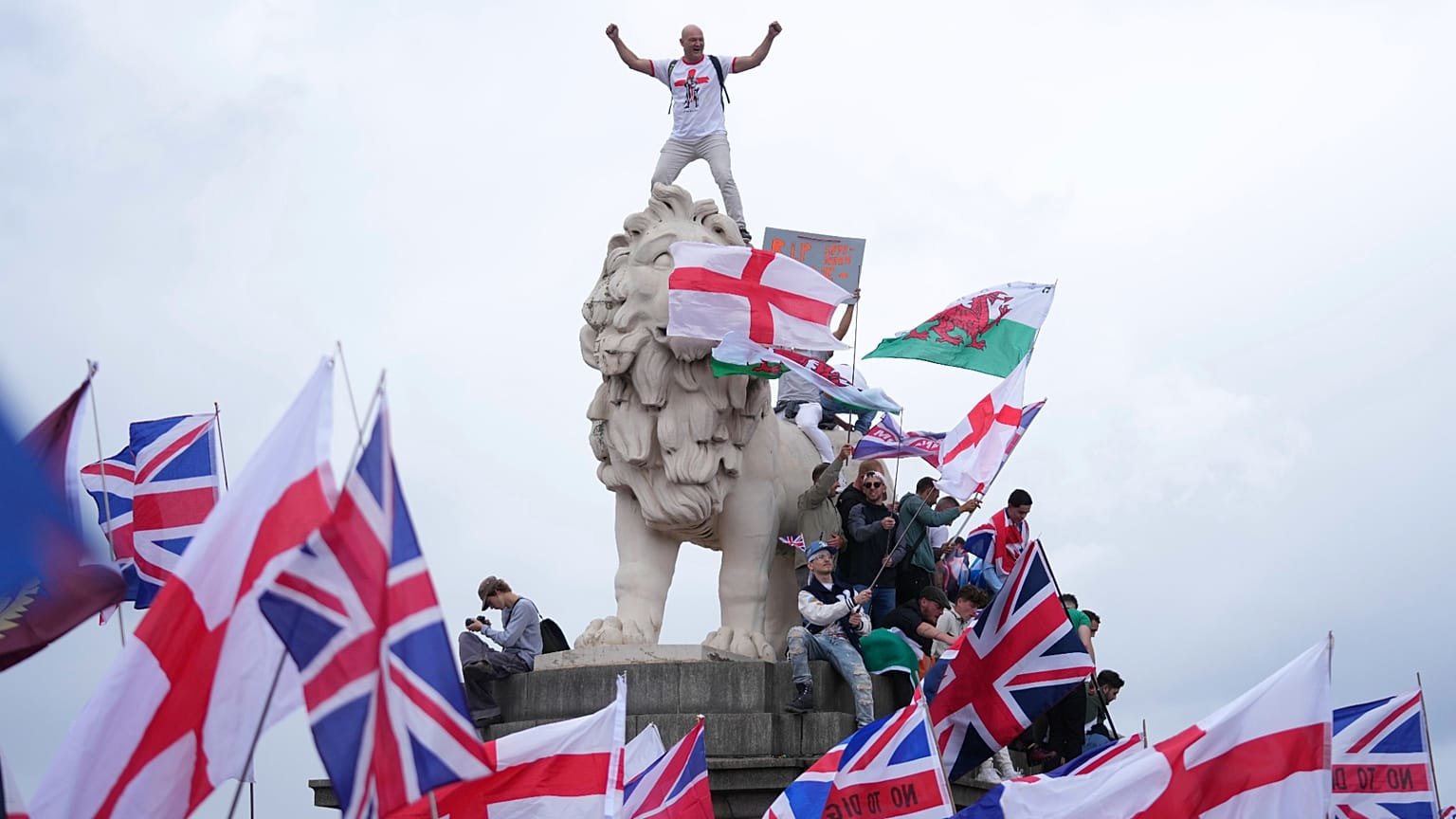
UK Bars MEP and Far-Right Figures From Rally Amid Security and Extremism Concerns
Authorities intervene to prevent participation of controversial political figures at a public rally, citing security risks and legal restrictions on extremist-linked activity
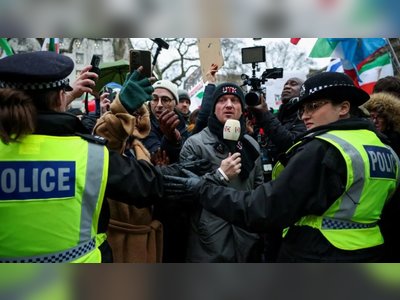
A SYSTEM-DRIVEN enforcement decision by UK authorities has led to the exclusion of a Member of the European Parliament and several far-right influencers from a planned public rally, highlighting the tightening intersection between public order law, extremist affiliation concerns, and political expression in the United Kingdom.
What is confirmed is that UK event organisers and authorities blocked participation by the individuals after security assessments raised concerns about potential public disorder and the ideological background of the invited speakers.
The decision reflects the UK’s legal framework that allows restrictions on entry, speech platforms, or event participation when there is assessed risk of incitement, extremist activity, or threats to public safety.
The individuals involved include a Member of the European Parliament and social media personalities associated with far-right political content.
Their exclusion has drawn attention because it sits at the intersection of elected political status, online influence, and domestic public order enforcement.
While the names and specific affiliations have been widely discussed in public debate, authorities have not framed the decision as a political ban but as a precautionary measure grounded in security and legal compliance.
The mechanism behind such exclusions typically involves coordination between event organisers, local authorities, and security services.
When a public gathering is planned, organisers are responsible for ensuring compliance with public safety regulations.
If authorities assess that certain speakers could increase the likelihood of violence, hate speech, or disorder, they can require changes to the speaker list or impose conditions on participation.
In some cases, access to the country or venue can also be restricted under immigration or public order powers.
The broader context is the UK’s ongoing effort to manage tensions around political extremism, free expression, and public safety in an increasingly polarised environment.
Over recent years, authorities have taken a more active role in scrutinising events linked to far-right or extremist-linked networks, particularly where online mobilisation has translated into offline gatherings with heightened security risks.
Supporters of the excluded figures have characterised the decision as censorship and an infringement on political expression, arguing that elected representatives and commentators should be allowed to participate in public debate.
However, UK law draws a distinction between protected speech and activity deemed likely to incite hatred, violence, or public disorder.
That distinction is central to how authorities justify intervention in cases involving controversial speakers.
The immediate consequence of the decision is that the rally will proceed without the barred participants, while organisers adjust programming to comply with security requirements.
It also reinforces a growing pattern in which public events featuring politically sensitive or extremist-linked figures face increased scrutiny before they take place.
The longer-term implication is that UK authorities are continuing to tighten enforcement around public assemblies where ideological affiliation intersects with perceived security risk.
That creates a more constrained operating environment for organisers of politically charged events, especially those involving figures with cross-border influence and large online followings.
What is confirmed is that UK event organisers and authorities blocked participation by the individuals after security assessments raised concerns about potential public disorder and the ideological background of the invited speakers.
The decision reflects the UK’s legal framework that allows restrictions on entry, speech platforms, or event participation when there is assessed risk of incitement, extremist activity, or threats to public safety.
The individuals involved include a Member of the European Parliament and social media personalities associated with far-right political content.
Their exclusion has drawn attention because it sits at the intersection of elected political status, online influence, and domestic public order enforcement.
While the names and specific affiliations have been widely discussed in public debate, authorities have not framed the decision as a political ban but as a precautionary measure grounded in security and legal compliance.
The mechanism behind such exclusions typically involves coordination between event organisers, local authorities, and security services.
When a public gathering is planned, organisers are responsible for ensuring compliance with public safety regulations.
If authorities assess that certain speakers could increase the likelihood of violence, hate speech, or disorder, they can require changes to the speaker list or impose conditions on participation.
In some cases, access to the country or venue can also be restricted under immigration or public order powers.
The broader context is the UK’s ongoing effort to manage tensions around political extremism, free expression, and public safety in an increasingly polarised environment.
Over recent years, authorities have taken a more active role in scrutinising events linked to far-right or extremist-linked networks, particularly where online mobilisation has translated into offline gatherings with heightened security risks.
Supporters of the excluded figures have characterised the decision as censorship and an infringement on political expression, arguing that elected representatives and commentators should be allowed to participate in public debate.
However, UK law draws a distinction between protected speech and activity deemed likely to incite hatred, violence, or public disorder.
That distinction is central to how authorities justify intervention in cases involving controversial speakers.
The immediate consequence of the decision is that the rally will proceed without the barred participants, while organisers adjust programming to comply with security requirements.
It also reinforces a growing pattern in which public events featuring politically sensitive or extremist-linked figures face increased scrutiny before they take place.
The longer-term implication is that UK authorities are continuing to tighten enforcement around public assemblies where ideological affiliation intersects with perceived security risk.
That creates a more constrained operating environment for organisers of politically charged events, especially those involving figures with cross-border influence and large online followings.