UK Government Rejects Use of Frozen Russian Assets to Fund Aid for Ukraine
London says it will not unilaterally tap roughly £8bn of frozen assets to support Kyiv, reaffirming allied coordination and alternative financing commitments
The United Kingdom government has ruled out using frozen Russian sovereign assets held in British banks to finance direct assistance to Ukraine, following the collapse of a similar proposal among European partners.
Prime Minister Sir Keir Starmer and senior officials affirmed that London will not act alone to deploy an estimated £8 billion of immobilised Russian funds in support of Kyiv’s defence and economic needs, stressing the importance of coordinated action with international allies.
The issue gained urgency as European Union leaders agreed to lend €90 billion to Ukraine over the next two years without using frozen Russian assets after member states failed to reach consensus on repurposing sovereign holdings.
British officials cited legal, financial and practical concerns over unilateral measures, including potential litigation risks and resistance from the banking sector, and emphasised that the UK’s support for Ukraine remains firm.
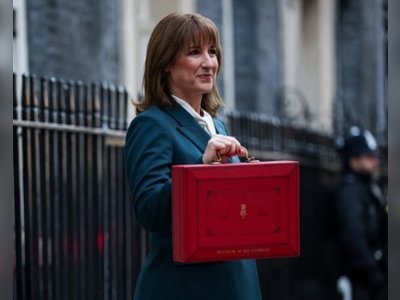
Chancellor of the Exchequer Rachel Reeves said the government will work “urgently” with partners to ensure Kyiv receives necessary financing, with alternative options under consideration.
As part of this effort, London plans to “reprofile” two billion dollars in World Bank guarantee commitments to address Ukraine’s immediate funding needs, alongside its annual pledge of three billion pounds in military assistance.
Officials stressed that strong multilateral cooperation, including through the G7 and EU frameworks, is central to sustaining Ukraine’s ability to meet both defence and civilian expenditure requirements.
The decision to rule out unilateral use of Russian assets comes amid broader debates on how best to leverage immobilised funds to support Ukraine without contravening international law or destabilising global financial norms.
Although proposals to use profits generated by frozen assets to back loans to Kyiv have been pursued under the Group of Seven’s Extraordinary Revenue Acceleration initiative, London’s latest stance reflects caution about setting precedents for exploiting sovereign assets held under sanctions.
While Ukraine’s leaders have warned of severe fiscal strain without timely external support, UK policymakers have underscored that alternative financing mechanisms and collaborative strategies are being developed to maintain long-term, reliable assistance without undermining legal and diplomatic frameworks.
Prime Minister Sir Keir Starmer and senior officials affirmed that London will not act alone to deploy an estimated £8 billion of immobilised Russian funds in support of Kyiv’s defence and economic needs, stressing the importance of coordinated action with international allies.
The issue gained urgency as European Union leaders agreed to lend €90 billion to Ukraine over the next two years without using frozen Russian assets after member states failed to reach consensus on repurposing sovereign holdings.
British officials cited legal, financial and practical concerns over unilateral measures, including potential litigation risks and resistance from the banking sector, and emphasised that the UK’s support for Ukraine remains firm.
Chancellor of the Exchequer Rachel Reeves said the government will work “urgently” with partners to ensure Kyiv receives necessary financing, with alternative options under consideration.
As part of this effort, London plans to “reprofile” two billion dollars in World Bank guarantee commitments to address Ukraine’s immediate funding needs, alongside its annual pledge of three billion pounds in military assistance.
Officials stressed that strong multilateral cooperation, including through the G7 and EU frameworks, is central to sustaining Ukraine’s ability to meet both defence and civilian expenditure requirements.
The decision to rule out unilateral use of Russian assets comes amid broader debates on how best to leverage immobilised funds to support Ukraine without contravening international law or destabilising global financial norms.
Although proposals to use profits generated by frozen assets to back loans to Kyiv have been pursued under the Group of Seven’s Extraordinary Revenue Acceleration initiative, London’s latest stance reflects caution about setting precedents for exploiting sovereign assets held under sanctions.
While Ukraine’s leaders have warned of severe fiscal strain without timely external support, UK policymakers have underscored that alternative financing mechanisms and collaborative strategies are being developed to maintain long-term, reliable assistance without undermining legal and diplomatic frameworks.