0:00
0:00
Starmer Convenes Urgent Talks on Cost-of-Living Pressures Linked to Iran Conflict
UK prime minister moves to assess economic fallout as rising energy prices intensify household strain
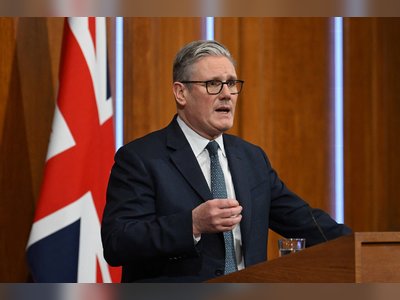
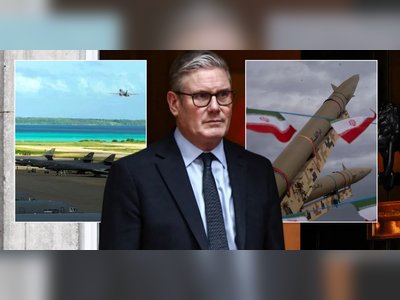
The UK prime minister has convened an urgent meeting of senior ministers and officials to address the growing cost-of-living pressures triggered by the escalating conflict involving Iran, as rising global energy prices begin to feed into domestic inflation.
The discussions are focused on the immediate economic consequences of instability in key oil transit routes, particularly the Strait of Hormuz, where disruptions have driven up crude prices and increased volatility in global markets.
The UK, like many energy-importing economies, is experiencing the knock-on effects through higher fuel and transport costs.
Officials are examining a range of potential responses aimed at cushioning households from further financial strain.
These include targeted support measures, market interventions, and contingency planning to manage supply disruptions should the situation worsen.
The prime minister is understood to have emphasised the need for coordinated action across government, linking energy security, inflation control, and broader economic resilience.
The meeting reflects growing concern that sustained price increases could undermine consumer confidence and slow economic recovery.
Energy analysts warn that continued instability in the region could keep prices elevated for an extended period, particularly if shipping routes remain under threat or if production is disrupted.
Such conditions would likely translate into persistent upward pressure on household bills.
The government is also closely monitoring the impact on businesses, many of which are already facing higher operating costs due to energy price fluctuations.
Industries reliant on transport and logistics are expected to be particularly affected.
While officials stress that the situation remains under review, the urgency of the meeting highlights the speed at which geopolitical developments are translating into domestic economic challenges.
Policymakers are seeking to balance immediate relief measures with longer-term strategies to strengthen energy resilience.
The initiative underscores the widening reach of the conflict’s economic impact, as governments across Europe respond to the intersection of global security tensions and domestic cost-of-living concerns.
The discussions are focused on the immediate economic consequences of instability in key oil transit routes, particularly the Strait of Hormuz, where disruptions have driven up crude prices and increased volatility in global markets.
The UK, like many energy-importing economies, is experiencing the knock-on effects through higher fuel and transport costs.
Officials are examining a range of potential responses aimed at cushioning households from further financial strain.
These include targeted support measures, market interventions, and contingency planning to manage supply disruptions should the situation worsen.
The prime minister is understood to have emphasised the need for coordinated action across government, linking energy security, inflation control, and broader economic resilience.
The meeting reflects growing concern that sustained price increases could undermine consumer confidence and slow economic recovery.
Energy analysts warn that continued instability in the region could keep prices elevated for an extended period, particularly if shipping routes remain under threat or if production is disrupted.
Such conditions would likely translate into persistent upward pressure on household bills.
The government is also closely monitoring the impact on businesses, many of which are already facing higher operating costs due to energy price fluctuations.
Industries reliant on transport and logistics are expected to be particularly affected.
While officials stress that the situation remains under review, the urgency of the meeting highlights the speed at which geopolitical developments are translating into domestic economic challenges.
Policymakers are seeking to balance immediate relief measures with longer-term strategies to strengthen energy resilience.
The initiative underscores the widening reach of the conflict’s economic impact, as governments across Europe respond to the intersection of global security tensions and domestic cost-of-living concerns.