Bonnie Blue Returns to UK After Bali Arrest, Fined and Banned Amid Visa and Content Probe
British adult content creator arrives home following deportation from Indonesia, sparking debate over legal and cultural norms after Bali ‘Bangbus’ incident.
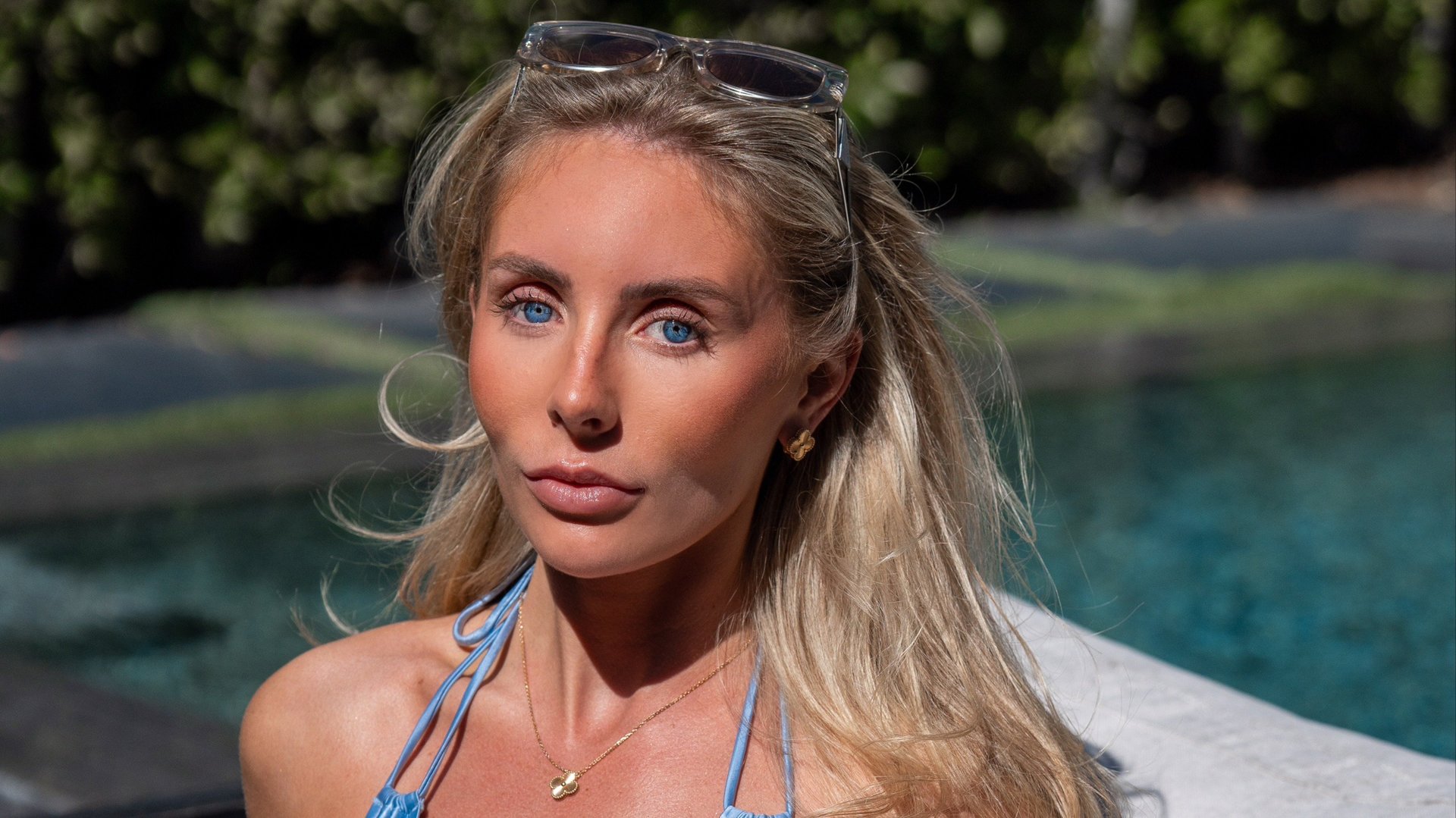
British adult content creator Tia Billinger, known professionally as Bonnie Blue, has returned to the United Kingdom after being deported from Bali, Indonesia, following her arrest earlier this month during an investigation into alleged visa misuse and production of prohibited material under Indonesia’s strict morality laws.
Billinger, 26, who had been at the centre of a police operation in the resort area of Badung that involved the seizure of a pickup truck branded as the “Bangbus” and professional recording equipment, was ordered to pay a nominal fine and faces a prohibition on returning to Indonesia for at least ten years as part of her deportation process.
Indonesian authorities initially detained Billinger and several other foreign nationals, including men from Australia and the UK, after complaints about content creation activities during the peak “Schoolies” period, alleging that they were engaged in producing material that could violate local decency regulations.
Although officials investigated alleged production of explicit content – an offence that under Indonesian law can carry significant penalties including lengthy prison terms and fines – the immediate charges resolved in court related to traffic and visa offences, with prosecutors and immigration officials deeming deportation and blacklisting the appropriate outcomes under current administrative frameworks.
Billinger’s arrival at London Heathrow Airport was met by media attention, with the influencer appearing composed and making public remarks expressing her intent to continue engaging with her audience despite the Bali legal episode.
In social media posts, she has since claimed that her Bali trip was organised by a third party who she alleges later reported her to authorities, a claim that has not been independently verified.
The case has drawn international attention to tensions between global online content creation, varying legal regimes on morality and decency, and the responsibilities of visitors to respect host-country laws.
As Billinger resumes her activities in the UK, questions linger about the broader implications for influencers working across jurisdictions with sharply different legal and cultural expectations.
Billinger, 26, who had been at the centre of a police operation in the resort area of Badung that involved the seizure of a pickup truck branded as the “Bangbus” and professional recording equipment, was ordered to pay a nominal fine and faces a prohibition on returning to Indonesia for at least ten years as part of her deportation process.
Indonesian authorities initially detained Billinger and several other foreign nationals, including men from Australia and the UK, after complaints about content creation activities during the peak “Schoolies” period, alleging that they were engaged in producing material that could violate local decency regulations.
Although officials investigated alleged production of explicit content – an offence that under Indonesian law can carry significant penalties including lengthy prison terms and fines – the immediate charges resolved in court related to traffic and visa offences, with prosecutors and immigration officials deeming deportation and blacklisting the appropriate outcomes under current administrative frameworks.
Billinger’s arrival at London Heathrow Airport was met by media attention, with the influencer appearing composed and making public remarks expressing her intent to continue engaging with her audience despite the Bali legal episode.
In social media posts, she has since claimed that her Bali trip was organised by a third party who she alleges later reported her to authorities, a claim that has not been independently verified.
The case has drawn international attention to tensions between global online content creation, varying legal regimes on morality and decency, and the responsibilities of visitors to respect host-country laws.
As Billinger resumes her activities in the UK, questions linger about the broader implications for influencers working across jurisdictions with sharply different legal and cultural expectations.