Burnham Promises a Harder Channel Response as Crossings Test His New Government
The prime minister says expanded enforcement and safe routes will curb people-smuggling, while opponents demand sharper legal and military measures despite a year-on-year fall in arrivals.
Andy Burnham’s government has pledged to be "relentless" in reducing small-boat crossings of the English Channel, coupling a larger enforcement operation against people-smuggling networks with a stated commitment to safe routes for people seeking protection in Britain.
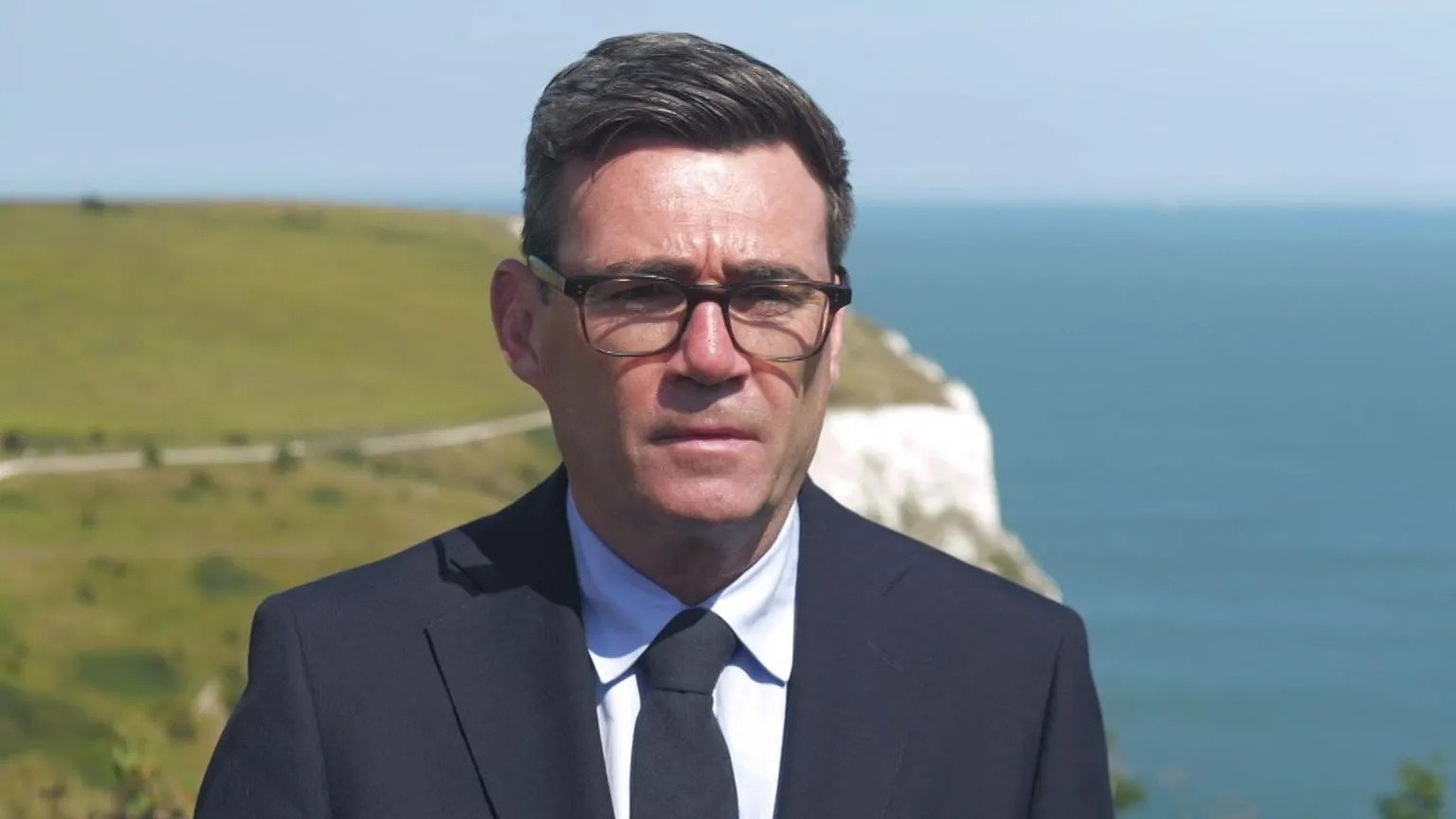
Speaking at Dover’s joint command room, Burnham said the government was changing its approach rather than merely changing the language around migration.
"People want to see this issue addressed," he said.
"We also need to build a system that offers safe routes for people as well, because that also takes away the selling point of the gangs."
The visit came after the Home Office said the number of National Crime Agency officers focused on organised immigration crime had risen from three hundred and seventy-six at the start of 2025 to almost eight hundred.
The government says French enforcement capacity has also increased.
It reported nearly three hundred arrests of suspected smuggling-network members over the past year and the seizure of more than one thousand one hundred boats and engines.
The Home Office has estimated that the seized equipment could have been used to facilitate seventy-two thousand additional illegal entries.
That estimate cannot be independently verified and does not establish how many crossings would otherwise have occurred.
The political pressure is sharpened by the numbers.
Three hundred and twenty-six people arrived in four small boats on Saturday, taking the number to two thousand and fifty-seven since Burnham became prime minister on July 20. The busiest day of the year so far was the previous Wednesday, when seven hundred and fifty-two people arrived.
The broader picture is more favourable to the government.
Provisional Home Office figures put arrivals so far this year at fourteen thousand five hundred and twenty-six, forty-three per cent below the equivalent point in 2025 and fourteen per cent below the same period in 2024. Crossings fluctuate sharply with weather conditions and traditionally rise in the calmer summer months.
Burnham linked the issue to the mass crossings into Ceuta, Spain’s North African territory, saying Spain’s rapid return of most arrivals to Morocco had addressed the immediate emergency but raised wider questions about the Schengen area and Britain’s relationship with the European Union.
He said he wanted regular dialogue with European partners.
Reform UK has proposed using the Royal Navy to turn boats back towards France.
The proposal would face legal and operational constraints: people in distress at sea must be rescued, and a state cannot simply disembark them in another country without that country’s consent.
The Conservatives say Britain should leave the European Convention on Human Rights to accelerate deportations, while the Liberal Democrats argue for closer cooperation with Europe and faster asylum decisions.
For Burnham, the test now lies beyond staffing announcements and annual comparisons.
His government must show that enforcement, cooperation with France and lawful safe routes can reduce crossings without simply shifting the danger elsewhere in the Channel.
Speaking at Dover’s joint command room, Burnham said the government was changing its approach rather than merely changing the language around migration.
"People want to see this issue addressed," he said.
"We also need to build a system that offers safe routes for people as well, because that also takes away the selling point of the gangs."
The visit came after the Home Office said the number of National Crime Agency officers focused on organised immigration crime had risen from three hundred and seventy-six at the start of 2025 to almost eight hundred.
The government says French enforcement capacity has also increased.
It reported nearly three hundred arrests of suspected smuggling-network members over the past year and the seizure of more than one thousand one hundred boats and engines.
The Home Office has estimated that the seized equipment could have been used to facilitate seventy-two thousand additional illegal entries.
That estimate cannot be independently verified and does not establish how many crossings would otherwise have occurred.
The political pressure is sharpened by the numbers.
Three hundred and twenty-six people arrived in four small boats on Saturday, taking the number to two thousand and fifty-seven since Burnham became prime minister on July 20. The busiest day of the year so far was the previous Wednesday, when seven hundred and fifty-two people arrived.
The broader picture is more favourable to the government.
Provisional Home Office figures put arrivals so far this year at fourteen thousand five hundred and twenty-six, forty-three per cent below the equivalent point in 2025 and fourteen per cent below the same period in 2024. Crossings fluctuate sharply with weather conditions and traditionally rise in the calmer summer months.
Burnham linked the issue to the mass crossings into Ceuta, Spain’s North African territory, saying Spain’s rapid return of most arrivals to Morocco had addressed the immediate emergency but raised wider questions about the Schengen area and Britain’s relationship with the European Union.
He said he wanted regular dialogue with European partners.
Reform UK has proposed using the Royal Navy to turn boats back towards France.
The proposal would face legal and operational constraints: people in distress at sea must be rescued, and a state cannot simply disembark them in another country without that country’s consent.
The Conservatives say Britain should leave the European Convention on Human Rights to accelerate deportations, while the Liberal Democrats argue for closer cooperation with Europe and faster asylum decisions.
For Burnham, the test now lies beyond staffing announcements and annual comparisons.
His government must show that enforcement, cooperation with France and lawful safe routes can reduce crossings without simply shifting the danger elsewhere in the Channel.