Campaigners Warn UK Student Visa Ban Could Push Migrants Toward Dangerous Channel Crossings
Critics say the government’s suspension of study visas for four countries may close one of the few safe routes for those fleeing conflict
Human rights campaigners have warned that the United Kingdom’s decision to suspend student visa applications from four conflict-affected countries could drive more people to attempt dangerous crossings of the English Channel in small boats.
The government has announced an unprecedented “emergency brake” on issuing study visas to nationals from Afghanistan, Cameroon, Myanmar and Sudan, a policy expected to take effect later this month.
Officials say the move is designed to prevent misuse of legal migration routes after a sharp increase in asylum claims from individuals who originally entered the country on student visas.
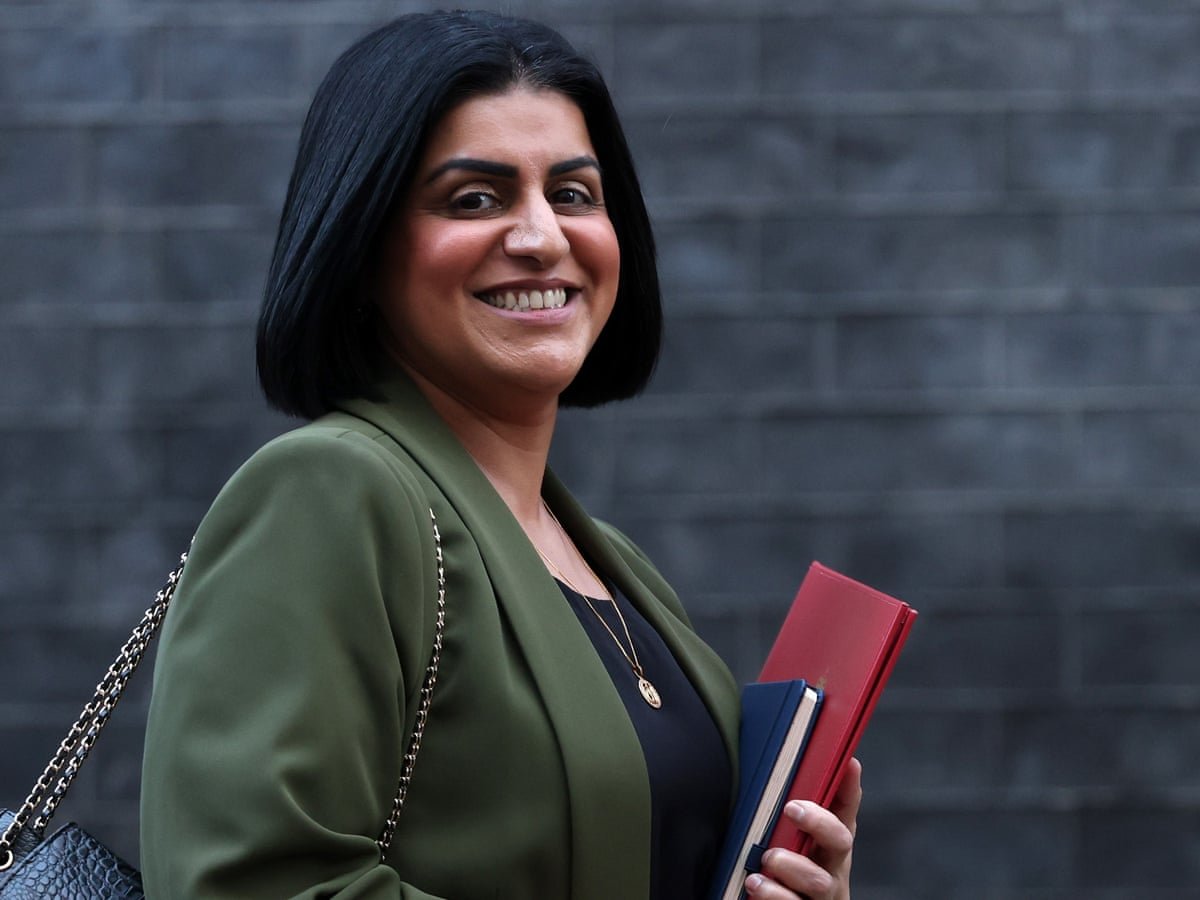
Home Secretary Shabana Mahmood said Britain remains committed to offering protection to those fleeing persecution but insisted that the immigration system must not be exploited.
She argued that some migrants had been using legal visas as a route to claim asylum after arriving in the country, adding that the policy aims to restore control over the system while maintaining support for genuine refugees.
Government data shows that asylum claims from students of the four affected countries have risen sharply in recent years.
Authorities report that the number of such claims increased significantly between twenty twenty-one and twenty twenty-five, coinciding with escalating conflicts and political instability in several of the countries now subject to restrictions.
Campaign groups and refugee advocates have strongly criticized the measure, saying it risks closing off one of the few relatively safe pathways for people escaping war or persecution.
They argue that limiting access to visas could unintentionally push vulnerable individuals toward irregular migration routes, including dangerous sea crossings across the English Channel.
According to advocacy organizations, students from the four countries represent only a small proportion of the overall asylum caseload.
They say removing access to educational visas will not significantly reduce asylum claims but could increase reliance on smuggling networks and unsafe travel methods.
The policy has also sparked debate within British politics, with some lawmakers questioning whether the restrictions will effectively address pressures on the asylum system.
Supporters of the measure say tighter rules are necessary to maintain public confidence in immigration controls and prevent abuse of legal entry routes.
The broader debate comes amid continuing concern about irregular migration across the Channel, where thousands of people attempt the hazardous journey each year in small inflatable boats organized by criminal smuggling networks.
As the new visa restrictions approach implementation, humanitarian organizations say the long-term impact will depend on whether alternative legal pathways for protection and migration are expanded or further restricted.
The government has announced an unprecedented “emergency brake” on issuing study visas to nationals from Afghanistan, Cameroon, Myanmar and Sudan, a policy expected to take effect later this month.
Officials say the move is designed to prevent misuse of legal migration routes after a sharp increase in asylum claims from individuals who originally entered the country on student visas.
Home Secretary Shabana Mahmood said Britain remains committed to offering protection to those fleeing persecution but insisted that the immigration system must not be exploited.
She argued that some migrants had been using legal visas as a route to claim asylum after arriving in the country, adding that the policy aims to restore control over the system while maintaining support for genuine refugees.
Government data shows that asylum claims from students of the four affected countries have risen sharply in recent years.
Authorities report that the number of such claims increased significantly between twenty twenty-one and twenty twenty-five, coinciding with escalating conflicts and political instability in several of the countries now subject to restrictions.
Campaign groups and refugee advocates have strongly criticized the measure, saying it risks closing off one of the few relatively safe pathways for people escaping war or persecution.
They argue that limiting access to visas could unintentionally push vulnerable individuals toward irregular migration routes, including dangerous sea crossings across the English Channel.
According to advocacy organizations, students from the four countries represent only a small proportion of the overall asylum caseload.
They say removing access to educational visas will not significantly reduce asylum claims but could increase reliance on smuggling networks and unsafe travel methods.
The policy has also sparked debate within British politics, with some lawmakers questioning whether the restrictions will effectively address pressures on the asylum system.
Supporters of the measure say tighter rules are necessary to maintain public confidence in immigration controls and prevent abuse of legal entry routes.
The broader debate comes amid continuing concern about irregular migration across the Channel, where thousands of people attempt the hazardous journey each year in small inflatable boats organized by criminal smuggling networks.
As the new visa restrictions approach implementation, humanitarian organizations say the long-term impact will depend on whether alternative legal pathways for protection and migration are expanded or further restricted.