David Miliband Calls for ‘National Consensus’ on Potential UK Re-engagement with the EU
Former foreign secretary argues long-term stability in UK–EU relations would require broad political agreement amid continued post-Brexit economic and diplomatic friction
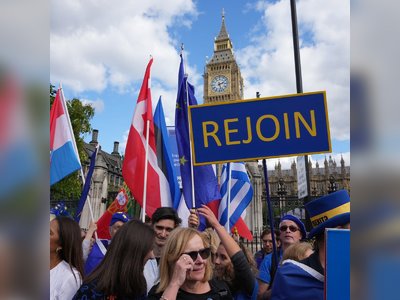
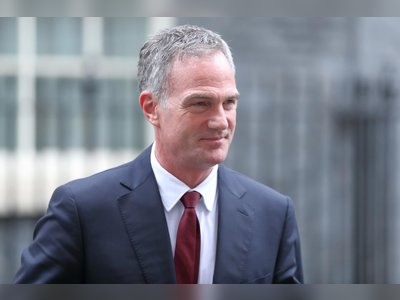
A renewed debate over the United Kingdom’s long-term relationship with the European Union has been reignited after David Miliband, former UK foreign secretary, argued that any move toward closer alignment—or potential re-entry—would require a “national consensus” rather than partisan direction.
His remarks come against the backdrop of continuing economic and political adjustments following Brexit, which formally took effect in two thousand twenty-one.
The central issue raised by Miliband is not immediate policy change but political legitimacy.
He argues that any future attempt to reverse or significantly alter Brexit settlement arrangements would need to be supported across major political parties and sustained through successive governments.
Without such consensus, he warned, any shift in direction would risk repeated reversal, policy instability, and further erosion of public trust.
The comments reflect a broader reality in British politics: while formal rejoining of the European Union is not currently government policy, debates over the future shape of UK–EU relations remain active.
These include discussions over regulatory alignment, trade friction, youth mobility schemes, and cooperation on security and research.
Each of these areas has been affected to varying degrees by the post-Brexit settlement, which introduced new customs checks, regulatory divergence, and administrative barriers to trade.
What is confirmed is that the UK’s departure from the EU has resulted in measurable changes to trade flows, immigration patterns, and regulatory coordination.
Businesses operating across borders have reported increased compliance costs and delays, particularly in goods movement between Britain and continental Europe.
At the same time, supporters of Brexit continue to argue that regulatory independence allows the UK greater flexibility in trade agreements and domestic policy design.
Miliband’s intervention focuses on the political conditions required for any future recalibration of this relationship rather than advocating a specific timeline.
His argument reflects a concern shared by many analysts that UK–EU relations remain structurally unstable in political terms, with major parties holding divergent positions and public opinion still split on the long-term consequences of Brexit.
The proposal for a “national consensus” effectively raises the bar for any significant policy reversal.
It implies that incremental changes—such as sectoral agreements or targeted cooperation—are more politically feasible in the near term than a full renegotiation of the UK’s relationship with the EU. This framing aligns with the current pragmatic approach taken by successive governments, which have focused on managing friction rather than reopening the core settlement.
The broader implication is that the UK’s relationship with the EU is likely to remain defined by managed adjustment rather than structural reversal in the near future, with political consensus acting as the key constraint on any fundamental shift in direction.
His remarks come against the backdrop of continuing economic and political adjustments following Brexit, which formally took effect in two thousand twenty-one.
The central issue raised by Miliband is not immediate policy change but political legitimacy.
He argues that any future attempt to reverse or significantly alter Brexit settlement arrangements would need to be supported across major political parties and sustained through successive governments.
Without such consensus, he warned, any shift in direction would risk repeated reversal, policy instability, and further erosion of public trust.
The comments reflect a broader reality in British politics: while formal rejoining of the European Union is not currently government policy, debates over the future shape of UK–EU relations remain active.
These include discussions over regulatory alignment, trade friction, youth mobility schemes, and cooperation on security and research.
Each of these areas has been affected to varying degrees by the post-Brexit settlement, which introduced new customs checks, regulatory divergence, and administrative barriers to trade.
What is confirmed is that the UK’s departure from the EU has resulted in measurable changes to trade flows, immigration patterns, and regulatory coordination.
Businesses operating across borders have reported increased compliance costs and delays, particularly in goods movement between Britain and continental Europe.
At the same time, supporters of Brexit continue to argue that regulatory independence allows the UK greater flexibility in trade agreements and domestic policy design.
Miliband’s intervention focuses on the political conditions required for any future recalibration of this relationship rather than advocating a specific timeline.
His argument reflects a concern shared by many analysts that UK–EU relations remain structurally unstable in political terms, with major parties holding divergent positions and public opinion still split on the long-term consequences of Brexit.
The proposal for a “national consensus” effectively raises the bar for any significant policy reversal.
It implies that incremental changes—such as sectoral agreements or targeted cooperation—are more politically feasible in the near term than a full renegotiation of the UK’s relationship with the EU. This framing aligns with the current pragmatic approach taken by successive governments, which have focused on managing friction rather than reopening the core settlement.
The broader implication is that the UK’s relationship with the EU is likely to remain defined by managed adjustment rather than structural reversal in the near future, with political consensus acting as the key constraint on any fundamental shift in direction.