UK fiscal pressure intensifies as deficit widens and growth data disappoints
Weaker-than-expected economic performance and rising borrowing needs increase strain on Chancellor Rachel Reeves’ fiscal plans and spending commitments
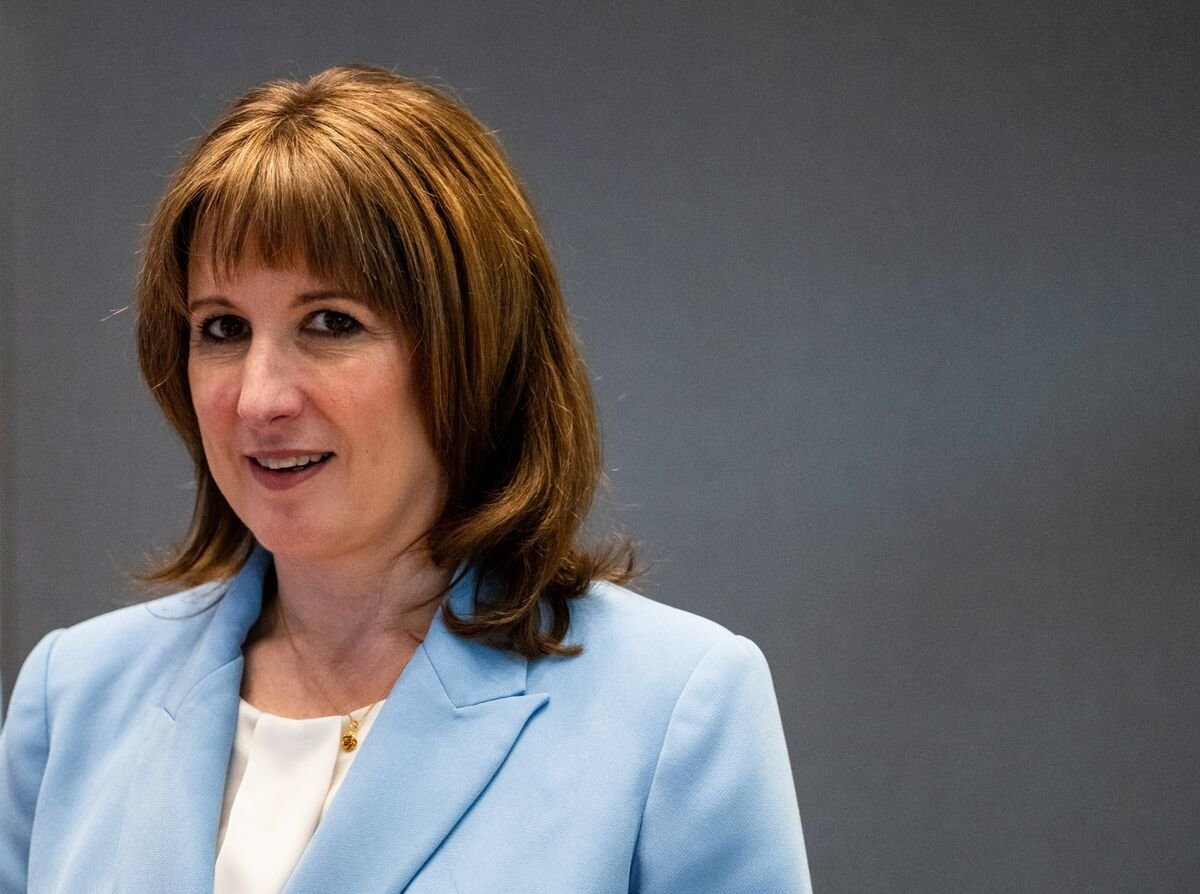
System-level fiscal pressures in the United Kingdom are intensifying as new economic data shows weaker-than-expected performance alongside a widening public sector deficit, increasing pressure on Chancellor Rachel Reeves’ budget strategy and the government’s medium-term spending framework.
The core issue is the interaction between slower economic growth, elevated public spending commitments, and persistent borrowing needs.
What is confirmed is that recent official figures indicate the UK government is borrowing more than previously forecast for the current fiscal period, driven by lower-than-expected tax receipts and higher expenditure on areas such as public services, debt interest, and welfare-linked payments.
At the same time, economic output indicators have come in below expectations.
Growth has slowed across key sectors, including consumer-facing services and parts of manufacturing, reflecting subdued household demand and continued sensitivity to higher interest rates.
The combination of weaker activity and elevated borrowing costs has created a tighter fiscal environment than anticipated when the government set its earlier budget assumptions.
The widening deficit is significant because it directly affects the government’s fiscal headroom under its self-imposed rules, which are designed to ensure that day-to-day spending is funded through tax revenue rather than borrowing over the medium term.
When borrowing rises faster than expected, that headroom shrinks, forcing either spending restraint, tax adjustments, or revisions to fiscal targets.
The Chancellor’s position is further complicated by structural constraints.
Debt servicing costs remain elevated due to previous interest rate increases, meaning a larger share of public revenue is absorbed by repayments rather than discretionary spending.
This reduces flexibility in responding to weaker growth without breaching fiscal rules or triggering market concerns about long-term debt sustainability.
Markets have so far continued to finance UK borrowing, but sensitivity remains high to signals of fiscal drift.
Rising deficits can translate into higher gilt yields if investors demand additional compensation for perceived risk, which in turn raises borrowing costs further and creates a feedback loop that tightens fiscal conditions.
The government has previously signaled that it intends to maintain strict adherence to its fiscal framework, placing emphasis on stabilising debt as a share of GDP over time.
However, weaker economic data reduces the likelihood that growth alone will close the gap between spending commitments and revenue generation.
The political implications are immediate.
Any need to adjust fiscal plans risks reopening debates over taxation and public spending priorities, particularly in areas such as health services, infrastructure investment, and welfare policy.
Within government, this creates pressure to balance economic credibility with political commitments made during the election cycle.
The situation now centres on whether upcoming economic revisions and fiscal updates confirm a temporary shortfall or a more persistent structural gap between revenue and spending.
The next set of fiscal statements will determine whether corrective measures are required to restore compliance with the government’s fiscal rules and stabilise borrowing expectations.
The core issue is the interaction between slower economic growth, elevated public spending commitments, and persistent borrowing needs.
What is confirmed is that recent official figures indicate the UK government is borrowing more than previously forecast for the current fiscal period, driven by lower-than-expected tax receipts and higher expenditure on areas such as public services, debt interest, and welfare-linked payments.
At the same time, economic output indicators have come in below expectations.
Growth has slowed across key sectors, including consumer-facing services and parts of manufacturing, reflecting subdued household demand and continued sensitivity to higher interest rates.
The combination of weaker activity and elevated borrowing costs has created a tighter fiscal environment than anticipated when the government set its earlier budget assumptions.
The widening deficit is significant because it directly affects the government’s fiscal headroom under its self-imposed rules, which are designed to ensure that day-to-day spending is funded through tax revenue rather than borrowing over the medium term.
When borrowing rises faster than expected, that headroom shrinks, forcing either spending restraint, tax adjustments, or revisions to fiscal targets.
The Chancellor’s position is further complicated by structural constraints.
Debt servicing costs remain elevated due to previous interest rate increases, meaning a larger share of public revenue is absorbed by repayments rather than discretionary spending.
This reduces flexibility in responding to weaker growth without breaching fiscal rules or triggering market concerns about long-term debt sustainability.
Markets have so far continued to finance UK borrowing, but sensitivity remains high to signals of fiscal drift.
Rising deficits can translate into higher gilt yields if investors demand additional compensation for perceived risk, which in turn raises borrowing costs further and creates a feedback loop that tightens fiscal conditions.
The government has previously signaled that it intends to maintain strict adherence to its fiscal framework, placing emphasis on stabilising debt as a share of GDP over time.
However, weaker economic data reduces the likelihood that growth alone will close the gap between spending commitments and revenue generation.
The political implications are immediate.
Any need to adjust fiscal plans risks reopening debates over taxation and public spending priorities, particularly in areas such as health services, infrastructure investment, and welfare policy.
Within government, this creates pressure to balance economic credibility with political commitments made during the election cycle.
The situation now centres on whether upcoming economic revisions and fiscal updates confirm a temporary shortfall or a more persistent structural gap between revenue and spending.
The next set of fiscal statements will determine whether corrective measures are required to restore compliance with the government’s fiscal rules and stabilise borrowing expectations.