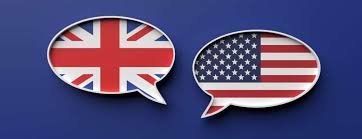
Debates Over English Language Policy Intensify in the UK and United States
Public discourse in both countries turns to language rules and identity as new requirements and national policy measures draw sharp reactions.
Recent developments in language policy and public discourse have sparked vigorous debate in both the United Kingdom and the United States over the role of English and multilingualism in society.
In the UK, discussions have been energized by government proposals to tighten English language requirements for migrants as part of broader immigration reforms, a move seen by supporters as promoting integration and by opponents as risking social exclusion.
Separately, cultural debates ignited over multilingual signage and language education have underlined deeper questions about national identity and cohesion as Britain navigates its increasingly diverse linguistic landscape.
At the same time, public figures such as actor Larry Lamb have criticised what they describe as complacency toward foreign language learning in British education, arguing that limited language study disadvantages learners and undermines global engagement.
These UK debates reflect wider concerns about balancing respect for linguistic diversity with social unity and economic opportunity.
Across the Atlantic, language policy has also been a flashpoint.
In March 2025, the United States saw substantial controversy after the president issued an executive order designating English as the official language of the federal government for the first time in the nation’s history.
Proponents of the policy frame it as a means to strengthen national unity and streamline government operations.
Critics — including linguists and civil rights advocates — warn that the move could limit access to public services for residents with limited English proficiency and undermine existing legal protections that promote language access under statutes addressing civil rights and voting.
The debate over official English has touched on deeply held views about national identity, the history of immigration and the balance between unity and cultural diversity in public life.
In both countries, these controversies have extended beyond policy alone into public commentary and media discussion, encompassing questions about education, integration, cultural heritage and the practical challenges of linguistic diversity.
As language policy issues continue to develop on both sides of the Atlantic, they underscore the importance of finding approaches that respect linguistic heritage while fostering inclusive participation in civic and economic life.
In the UK, discussions have been energized by government proposals to tighten English language requirements for migrants as part of broader immigration reforms, a move seen by supporters as promoting integration and by opponents as risking social exclusion.
Separately, cultural debates ignited over multilingual signage and language education have underlined deeper questions about national identity and cohesion as Britain navigates its increasingly diverse linguistic landscape.
At the same time, public figures such as actor Larry Lamb have criticised what they describe as complacency toward foreign language learning in British education, arguing that limited language study disadvantages learners and undermines global engagement.
These UK debates reflect wider concerns about balancing respect for linguistic diversity with social unity and economic opportunity.
Across the Atlantic, language policy has also been a flashpoint.
In March 2025, the United States saw substantial controversy after the president issued an executive order designating English as the official language of the federal government for the first time in the nation’s history.
Proponents of the policy frame it as a means to strengthen national unity and streamline government operations.
Critics — including linguists and civil rights advocates — warn that the move could limit access to public services for residents with limited English proficiency and undermine existing legal protections that promote language access under statutes addressing civil rights and voting.
The debate over official English has touched on deeply held views about national identity, the history of immigration and the balance between unity and cultural diversity in public life.
In both countries, these controversies have extended beyond policy alone into public commentary and media discussion, encompassing questions about education, integration, cultural heritage and the practical challenges of linguistic diversity.
As language policy issues continue to develop on both sides of the Atlantic, they underscore the importance of finding approaches that respect linguistic heritage while fostering inclusive participation in civic and economic life.