Former NATO Chief Questions UK Defence Spending Under Starmer
Concerns raised over funding levels as security pressures intensify across Europe
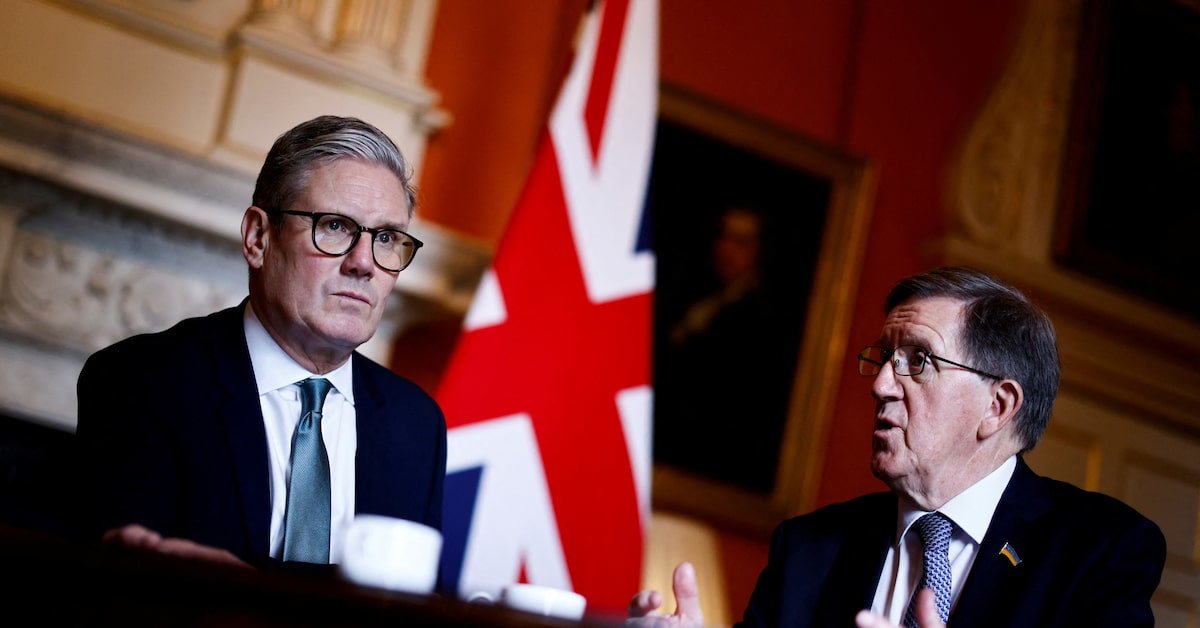
A former NATO Secretary General has raised concerns over the United Kingdom’s defence spending under Prime Minister Keir Starmer, warning that current funding levels may fall short of the demands posed by an increasingly complex security environment.
The remarks highlight growing unease among defence figures about the adequacy of military investment at a time of heightened geopolitical tensions, with calls for stronger commitments to ensure readiness and deterrence capabilities.
The criticism centres on whether existing financial allocations are sufficient to maintain operational effectiveness, modernise equipment and support allied obligations.
The former NATO leader emphasised the importance of sustained investment to meet evolving threats, particularly as European nations reassess their defence priorities.
Supporters of increased spending argue that the UK must remain at the forefront of collective security efforts, contributing meaningfully to NATO and reinforcing its strategic role.
They contend that robust defence funding is essential not only for national protection but also for maintaining influence within international alliances.
Government representatives have pointed to ongoing commitments to defence and broader fiscal considerations, balancing security needs with economic pressures.
The discussion reflects wider debates across Europe, where governments are weighing the costs of military expansion against domestic priorities.
The issue comes as NATO members continue to face pressure to meet agreed spending targets, with defence budgets under close scrutiny amid shifting global dynamics.
The comments from the former NATO chief are likely to intensify the conversation around how the UK positions itself in response to emerging threats.
As policymakers consider future budget decisions, the debate underscores the strategic importance of aligning defence investment with the realities of an evolving security landscape.
The remarks highlight growing unease among defence figures about the adequacy of military investment at a time of heightened geopolitical tensions, with calls for stronger commitments to ensure readiness and deterrence capabilities.
The criticism centres on whether existing financial allocations are sufficient to maintain operational effectiveness, modernise equipment and support allied obligations.
The former NATO leader emphasised the importance of sustained investment to meet evolving threats, particularly as European nations reassess their defence priorities.
Supporters of increased spending argue that the UK must remain at the forefront of collective security efforts, contributing meaningfully to NATO and reinforcing its strategic role.
They contend that robust defence funding is essential not only for national protection but also for maintaining influence within international alliances.
Government representatives have pointed to ongoing commitments to defence and broader fiscal considerations, balancing security needs with economic pressures.
The discussion reflects wider debates across Europe, where governments are weighing the costs of military expansion against domestic priorities.
The issue comes as NATO members continue to face pressure to meet agreed spending targets, with defence budgets under close scrutiny amid shifting global dynamics.
The comments from the former NATO chief are likely to intensify the conversation around how the UK positions itself in response to emerging threats.
As policymakers consider future budget decisions, the debate underscores the strategic importance of aligning defence investment with the realities of an evolving security landscape.