Iran shock exposes fragility in UK recovery as Reeves faces renewed economic pressure
A sharp rise in global energy prices linked to the Iran conflict is threatening Britain’s fragile fiscal improvement, forcing Chancellor Rachel Reeves into emergency economic planning just as inflation and borrowing had begun to ease
ACTOR-DRIVEN dynamics define this story: the economic fallout from the Iran conflict and its impact on global energy markets is directly reshaping UK fiscal conditions and placing Chancellor Rachel Reeves under renewed political and financial pressure.
The immediate trigger is a sharp escalation in global energy prices linked to instability in the Middle East, particularly disruptions to oil flows through strategic shipping routes.
What is confirmed is that crude oil prices have surged above $100 per barrel during the crisis period, feeding directly into higher fuel, transport, and wholesale energy costs in Europe.
This external shock is now feeding into UK inflation expectations and public finance forecasts at a moment when the Treasury had only recently begun to see signs of stabilisation.
Before the shock, official UK data showed modest economic improvement: growth had returned at around half a percent in recent months, unemployment had eased, and annual borrowing had fallen by roughly £20 billion compared with the previous year.
These gains were being used by the government to argue that fiscal discipline was beginning to stabilise public finances after a period of volatility.
The Iran-linked energy surge has disrupted that trajectory.
Higher oil and gas prices are now expected to feed into inflation, increasing the likelihood that interest rates will remain elevated for longer than previously forecast.
That, in turn, raises the cost of government borrowing and mortgage lending, tightening conditions for households and businesses at the same time.
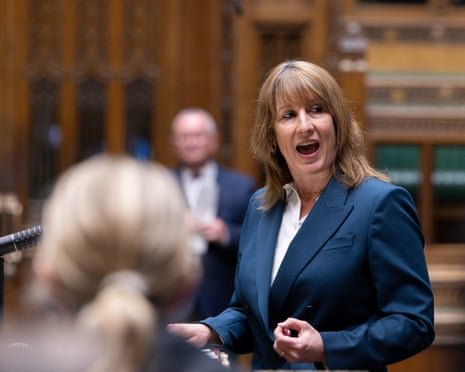
Chancellor Rachel Reeves has responded by activating contingency planning across the Treasury.
The government has confirmed that it is preparing targeted support measures designed to shield the most exposed households from rising energy costs, while maintaining strict fiscal constraints.
The approach is deliberately limited in scope: officials have ruled out broad subsidies, instead focusing on narrowly defined assistance for vulnerable groups, including those facing sharp increases in heating costs not covered by existing price caps.
The economic stakes are significant.
Independent fiscal analysis indicates that sustained energy price increases could erase much of the government’s previously projected financial headroom, limiting its ability to fund new spending commitments without either raising taxes or cutting expenditure elsewhere.
This creates a direct tension between stabilising living costs and maintaining fiscal credibility.
Politically, the shock has intensified scrutiny of Reeves’ broader economic strategy.
Her central pitch has been that disciplined spending rules and controlled borrowing would restore stability and gradually reduce inflationary pressure.
The Iran-driven energy spike complicates that narrative by introducing an external inflationary force outside domestic policy control.
The implications extend beyond short-term price increases.
Higher energy costs risk slowing investment, weakening consumer spending, and increasing unemployment pressures if businesses respond with hiring freezes or cost reductions.
At the same time, prolonged inflation could force the Bank of England to delay or reverse expected rate cuts, prolonging financial strain across the economy.
For now, the UK government’s position is one of constrained response: mitigate immediate household pain where possible, coordinate with international partners on energy market stability, and avoid policy moves that could further fuel inflation.
The crisis has not reversed the economic recovery, but it has exposed how dependent that recovery remains on volatile global energy conditions.
The immediate trigger is a sharp escalation in global energy prices linked to instability in the Middle East, particularly disruptions to oil flows through strategic shipping routes.
What is confirmed is that crude oil prices have surged above $100 per barrel during the crisis period, feeding directly into higher fuel, transport, and wholesale energy costs in Europe.
This external shock is now feeding into UK inflation expectations and public finance forecasts at a moment when the Treasury had only recently begun to see signs of stabilisation.
Before the shock, official UK data showed modest economic improvement: growth had returned at around half a percent in recent months, unemployment had eased, and annual borrowing had fallen by roughly £20 billion compared with the previous year.
These gains were being used by the government to argue that fiscal discipline was beginning to stabilise public finances after a period of volatility.
The Iran-linked energy surge has disrupted that trajectory.
Higher oil and gas prices are now expected to feed into inflation, increasing the likelihood that interest rates will remain elevated for longer than previously forecast.
That, in turn, raises the cost of government borrowing and mortgage lending, tightening conditions for households and businesses at the same time.
Chancellor Rachel Reeves has responded by activating contingency planning across the Treasury.
The government has confirmed that it is preparing targeted support measures designed to shield the most exposed households from rising energy costs, while maintaining strict fiscal constraints.
The approach is deliberately limited in scope: officials have ruled out broad subsidies, instead focusing on narrowly defined assistance for vulnerable groups, including those facing sharp increases in heating costs not covered by existing price caps.
The economic stakes are significant.
Independent fiscal analysis indicates that sustained energy price increases could erase much of the government’s previously projected financial headroom, limiting its ability to fund new spending commitments without either raising taxes or cutting expenditure elsewhere.
This creates a direct tension between stabilising living costs and maintaining fiscal credibility.
Politically, the shock has intensified scrutiny of Reeves’ broader economic strategy.
Her central pitch has been that disciplined spending rules and controlled borrowing would restore stability and gradually reduce inflationary pressure.
The Iran-driven energy spike complicates that narrative by introducing an external inflationary force outside domestic policy control.
The implications extend beyond short-term price increases.
Higher energy costs risk slowing investment, weakening consumer spending, and increasing unemployment pressures if businesses respond with hiring freezes or cost reductions.
At the same time, prolonged inflation could force the Bank of England to delay or reverse expected rate cuts, prolonging financial strain across the economy.
For now, the UK government’s position is one of constrained response: mitigate immediate household pain where possible, coordinate with international partners on energy market stability, and avoid policy moves that could further fuel inflation.
The crisis has not reversed the economic recovery, but it has exposed how dependent that recovery remains on volatile global energy conditions.