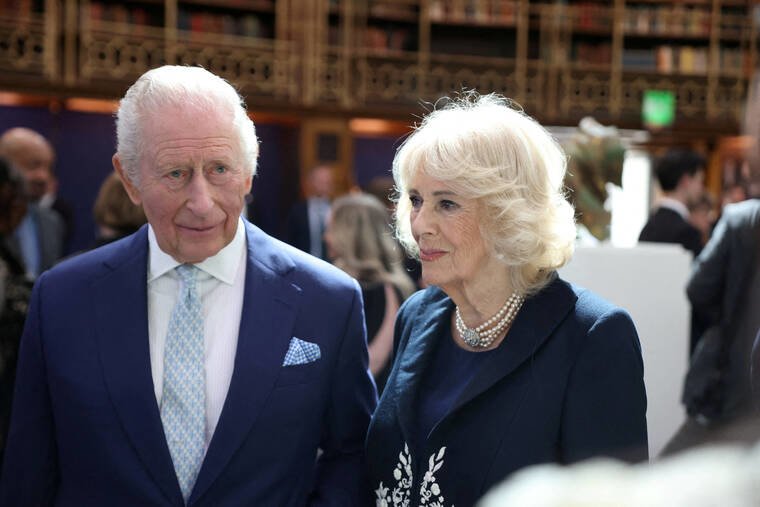
King Charles US Visit Set to Continue After Washington Shooting Heightens Security Concerns
Buckingham Palace confirms no change to royal itinerary as security agencies reassess risk environment following deadly incident in Washington, D.C.
ACTOR-DRIVEN diplomatic scheduling is shaping the continuation of King Charles III’s planned visit to the United States, after a shooting in Washington, D.C. prompted heightened security reviews but did not result in any confirmed change to the royal itinerary.
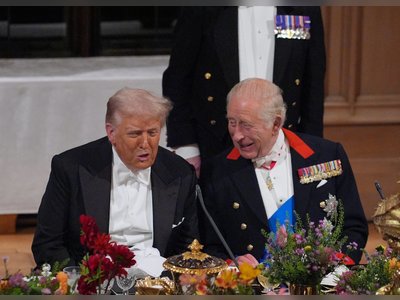
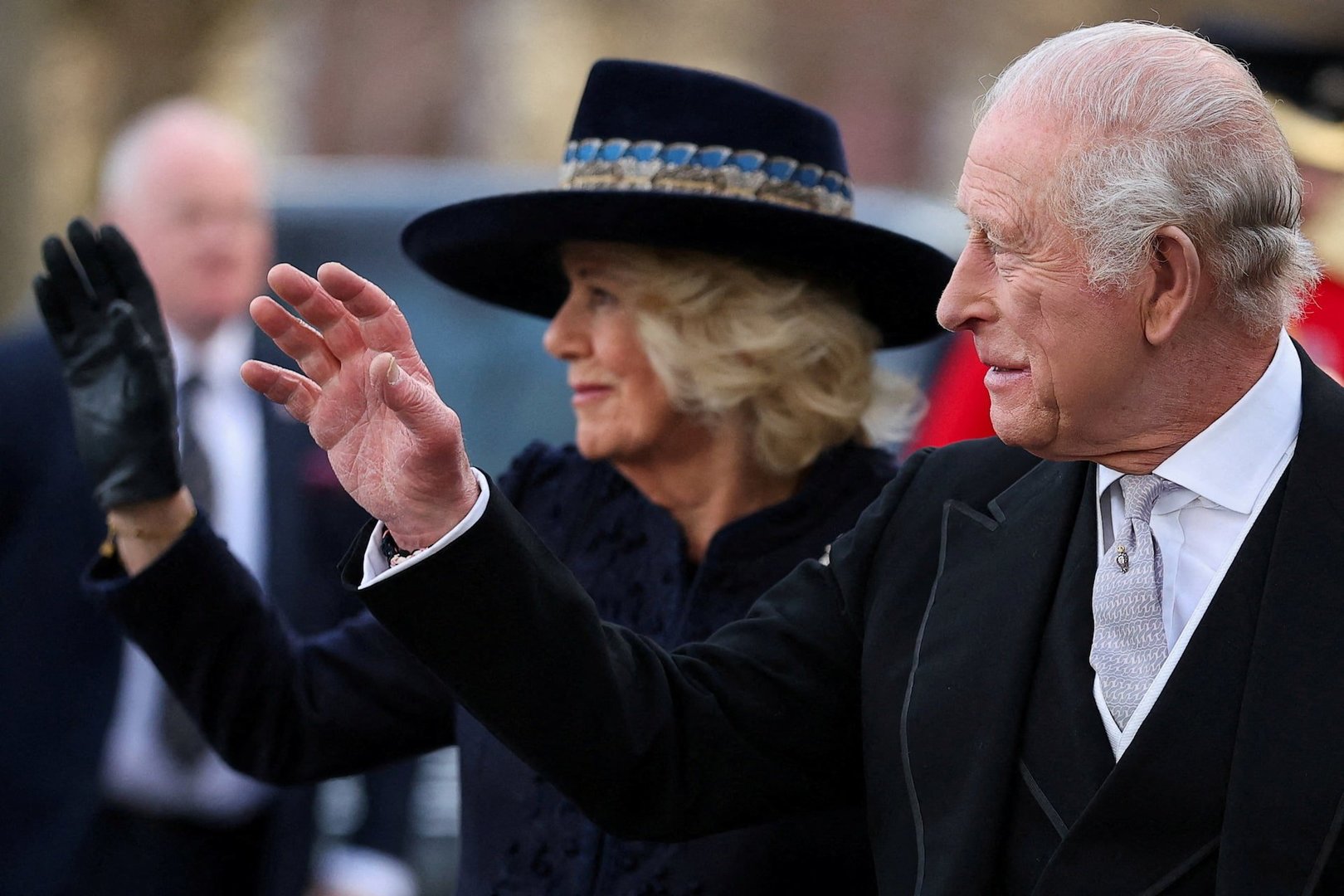
What is confirmed is that King Charles’ state visit to the United States is proceeding as planned despite a shooting incident in Washington that has intensified security scrutiny around high-profile public events in the city.
Authorities have not linked the incident to the royal visit, and no official adjustment to the schedule has been announced.
The mechanism behind the decision is standard for high-level state visits.
Security planning for heads of state and senior royals involves layered coordination between host nation security services, diplomatic protection units, and intelligence agencies.
These systems are designed to absorb emerging threats without automatically altering schedules unless a direct risk connection is identified.
The Washington shooting itself has been treated as an isolated criminal incident, with local law enforcement conducting an active investigation.
Details of the motive and circumstances have not been fully established publicly, but the event has contributed to a broader reassessment of security posture in the capital, particularly around major government buildings and diplomatic movements.
King Charles’ visit carries symbolic and diplomatic weight, reflecting continued close relations between the United Kingdom and the United States.
Such visits involve extensive advance planning, often months in preparation, including route security, venue screening, and contingency arrangements for rapidly evolving threats.
Security protocols for royal visits in the United States are among the most stringent applied to foreign dignitaries.
They typically include coordination between U.S. federal security agencies, local police forces, and British protection teams.
These arrangements are designed to maintain continuity of schedule even when localized incidents occur elsewhere in the host city.
The key issue is separation between incident-specific risk and systemic threat level.
Security agencies distinguish between targeted threats against dignitaries and unrelated violent events in the same geographic area.
In this case, no evidence has emerged indicating that the Washington shooting was connected to the royal visit or that it altered the assessed threat profile for King Charles.
The broader context is an environment of heightened vigilance around major urban centers in the United States, where public events involving political figures, diplomats, and foreign leaders routinely trigger layered security responses.
These measures are intended to ensure continuity of diplomatic engagement even under fluctuating local risk conditions.
For now, the confirmed position is that the visit proceeds as scheduled, with security agencies continuing to monitor developments in real time and adjust operational details as necessary without disrupting the official program.
What is confirmed is that King Charles’ state visit to the United States is proceeding as planned despite a shooting incident in Washington that has intensified security scrutiny around high-profile public events in the city.
Authorities have not linked the incident to the royal visit, and no official adjustment to the schedule has been announced.
The mechanism behind the decision is standard for high-level state visits.
Security planning for heads of state and senior royals involves layered coordination between host nation security services, diplomatic protection units, and intelligence agencies.
These systems are designed to absorb emerging threats without automatically altering schedules unless a direct risk connection is identified.
The Washington shooting itself has been treated as an isolated criminal incident, with local law enforcement conducting an active investigation.
Details of the motive and circumstances have not been fully established publicly, but the event has contributed to a broader reassessment of security posture in the capital, particularly around major government buildings and diplomatic movements.
King Charles’ visit carries symbolic and diplomatic weight, reflecting continued close relations between the United Kingdom and the United States.
Such visits involve extensive advance planning, often months in preparation, including route security, venue screening, and contingency arrangements for rapidly evolving threats.
Security protocols for royal visits in the United States are among the most stringent applied to foreign dignitaries.
They typically include coordination between U.S. federal security agencies, local police forces, and British protection teams.
These arrangements are designed to maintain continuity of schedule even when localized incidents occur elsewhere in the host city.
The key issue is separation between incident-specific risk and systemic threat level.
Security agencies distinguish between targeted threats against dignitaries and unrelated violent events in the same geographic area.
In this case, no evidence has emerged indicating that the Washington shooting was connected to the royal visit or that it altered the assessed threat profile for King Charles.
The broader context is an environment of heightened vigilance around major urban centers in the United States, where public events involving political figures, diplomats, and foreign leaders routinely trigger layered security responses.
These measures are intended to ensure continuity of diplomatic engagement even under fluctuating local risk conditions.
For now, the confirmed position is that the visit proceeds as scheduled, with security agencies continuing to monitor developments in real time and adjust operational details as necessary without disrupting the official program.