Pakistani Lawyer Challenges ‘Period Tax’ in Landmark Case Targeting Menstrual Inequality
Legal petition seeks removal of up to forty percent tax burden on sanitary products, aiming to confront stigma and expand access to essential menstrual health care
A young lawyer in Pakistan has launched a constitutional challenge against what campaigners describe as a punitive “period tax,” seeking to have menstrual products reclassified as essential goods rather than luxury items.
Mahnoor Omer, twenty-five, alongside her colleague Ahsan Jehangir Khan, filed a petition arguing that existing tax policies on sanitary products deepen gender inequality and violate constitutional protections against discrimination.
Under Pakistan’s Sales Tax Act of nineteen ninety, locally produced sanitary pads are subject to an eighteen percent sales tax, while imported menstrual products face a twenty-five percent customs duty.
According to the petition, once additional local levies are factored in, the overall burden can reach roughly forty percent.
The legal filing contends that such taxation systemically undermines women’s and girls’ rights to health and education, contravening Article twenty-five of the Constitution, which prohibits discrimination on the basis of sex.
The case was heard in Rawalpindi in late November, where the court directed the government to submit a timely response so proceedings could advance.
Authorities have not yet publicly detailed their position.
Campaigners argue that the financial strain is particularly severe in a country where nearly forty-five percent of the population lives below the World Bank’s lower middle-income poverty threshold of four dollars and twenty cents per day.
In that context, a pack of ten sanitary pads costing between four hundred and four hundred eighty-five Pakistani rupees can represent a substantial share of a household’s daily income, especially when essential food staples already stretch limited budgets.
Only around twelve percent of women and girls in Pakistan use commercial sanitary products, according to data from the United Nations children’s agency.
Many rely instead on cloth, rags or other improvised materials.
Health professionals warn that prolonged use of such alternatives without proper sanitation increases the risk of infection, skin disease and urinary tract complications.
The legal action is also intended to challenge entrenched taboos surrounding menstruation.
Omer recalls classmates experiencing their first periods without prior education, often reacting with fear and confusion.
Medical practitioners report that some girls interpret the onset of menstruation as a sign of serious illness because of the absence of basic reproductive health education.
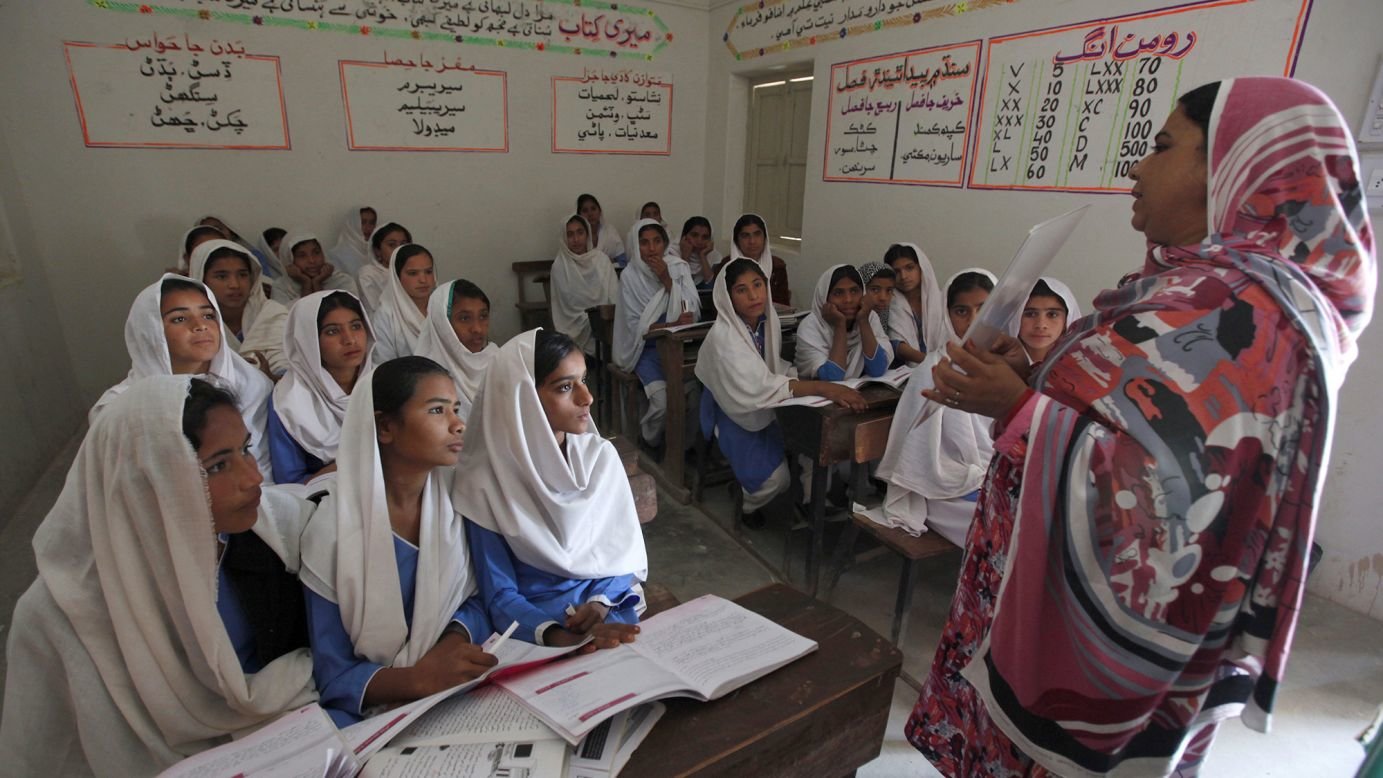
One in five girls in Pakistan misses school during her menstrual cycle, according to a two thousand twenty-four report, contributing cumulatively to significant educational loss.
Advocates say inadequate sanitation facilities, lack of affordable products and social stigma combine to push girls out of classrooms and public life.
The impact intensifies during climate-related disasters.
Seasonal floods in recent years have displaced communities and left women in relief camps without access to safe menstrual supplies or private washing facilities.
Aid workers describe cases in which women are forced to wash cloths in contaminated floodwater or resort to unsafe substitutes, compounding health risks.
Supporters of the petition describe the case as part of a broader generational shift toward open discussion of reproductive health.
Omer and Khan say they draw encouragement from similar reforms in neighboring countries where taxes on menstrual products have been reduced or abolished.
They hope the litigation will prompt legislative review and catalyze a national conversation on period poverty, public health and gender equality.
Mahnoor Omer, twenty-five, alongside her colleague Ahsan Jehangir Khan, filed a petition arguing that existing tax policies on sanitary products deepen gender inequality and violate constitutional protections against discrimination.
Under Pakistan’s Sales Tax Act of nineteen ninety, locally produced sanitary pads are subject to an eighteen percent sales tax, while imported menstrual products face a twenty-five percent customs duty.
According to the petition, once additional local levies are factored in, the overall burden can reach roughly forty percent.
The legal filing contends that such taxation systemically undermines women’s and girls’ rights to health and education, contravening Article twenty-five of the Constitution, which prohibits discrimination on the basis of sex.
The case was heard in Rawalpindi in late November, where the court directed the government to submit a timely response so proceedings could advance.
Authorities have not yet publicly detailed their position.
Campaigners argue that the financial strain is particularly severe in a country where nearly forty-five percent of the population lives below the World Bank’s lower middle-income poverty threshold of four dollars and twenty cents per day.
In that context, a pack of ten sanitary pads costing between four hundred and four hundred eighty-five Pakistani rupees can represent a substantial share of a household’s daily income, especially when essential food staples already stretch limited budgets.
Only around twelve percent of women and girls in Pakistan use commercial sanitary products, according to data from the United Nations children’s agency.
Many rely instead on cloth, rags or other improvised materials.
Health professionals warn that prolonged use of such alternatives without proper sanitation increases the risk of infection, skin disease and urinary tract complications.
The legal action is also intended to challenge entrenched taboos surrounding menstruation.
Omer recalls classmates experiencing their first periods without prior education, often reacting with fear and confusion.
Medical practitioners report that some girls interpret the onset of menstruation as a sign of serious illness because of the absence of basic reproductive health education.
One in five girls in Pakistan misses school during her menstrual cycle, according to a two thousand twenty-four report, contributing cumulatively to significant educational loss.
Advocates say inadequate sanitation facilities, lack of affordable products and social stigma combine to push girls out of classrooms and public life.
The impact intensifies during climate-related disasters.
Seasonal floods in recent years have displaced communities and left women in relief camps without access to safe menstrual supplies or private washing facilities.
Aid workers describe cases in which women are forced to wash cloths in contaminated floodwater or resort to unsafe substitutes, compounding health risks.
Supporters of the petition describe the case as part of a broader generational shift toward open discussion of reproductive health.
Omer and Khan say they draw encouragement from similar reforms in neighboring countries where taxes on menstrual products have been reduced or abolished.
They hope the litigation will prompt legislative review and catalyze a national conversation on period poverty, public health and gender equality.