0:00
0:00
Starmer Diverges from Trump on Iran Strategy, Rejects ‘Regime Change from the Skies’
UK prime minister signals caution over military escalation as US maintains firm posture toward Tehran
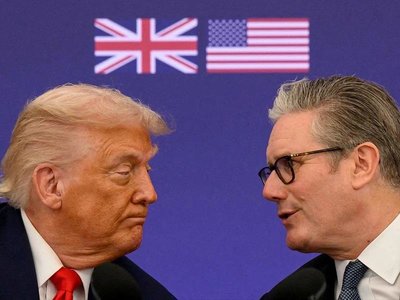
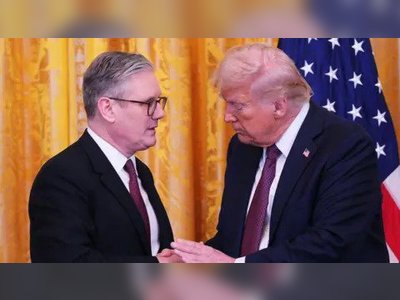
UK Prime Minister Keir Starmer has publicly distanced Britain from any strategy aimed at achieving regime change in Iran through aerial military action, marking a clear divergence from the more forceful posture articulated by US President Donald Trump.
Speaking amid heightened tensions in the Middle East, Starmer said the United Kingdom does not support what he described as “regime change from the skies,” underscoring his government’s preference for de-escalation and diplomatic engagement.
The remarks follow renewed debate in Washington over the scope of possible military measures targeting Iran’s military infrastructure and strategic assets.
President Trump has reiterated his administration’s firm stance against Iran’s nuclear ambitions and regional activities, emphasising deterrence, strength and the protection of US allies.
His approach has been framed by the White House as a necessary response to destabilising actions attributed to Tehran, with officials arguing that credible military capability underpins any diplomatic pathway.
Starmer, while reaffirming the UK’s commitment to preventing nuclear proliferation and maintaining regional stability, stressed that Britain would not endorse a campaign explicitly designed to topple Iran’s leadership through air strikes alone.
He stated that sustainable change in any nation must ultimately come from within rather than being imposed externally by force.
The transatlantic difference in tone does not amount to a rupture in alliance cooperation.
British officials have confirmed ongoing intelligence sharing and coordination with the United States and other partners.
However, the UK government has signalled that it would evaluate any direct military involvement independently and in line with international law and parliamentary scrutiny.
Analysts note that President Trump’s robust posture is consistent with his long-standing emphasis on projecting American strength and restoring deterrence in volatile regions.
His administration maintains that maintaining pressure on Iran is essential to safeguarding global energy routes, countering militant proxies and ensuring the security of Israel and other regional partners.
The UK’s position reflects a balancing act between alliance solidarity and domestic political considerations, particularly in light of parliamentary sensitivities surrounding military intervention.
As diplomatic efforts continue alongside heightened military readiness in the region, the differing emphases from London and Washington illustrate the complex policy calculations facing Western governments in responding to Iran’s evolving role in the Middle East.
Speaking amid heightened tensions in the Middle East, Starmer said the United Kingdom does not support what he described as “regime change from the skies,” underscoring his government’s preference for de-escalation and diplomatic engagement.
The remarks follow renewed debate in Washington over the scope of possible military measures targeting Iran’s military infrastructure and strategic assets.
President Trump has reiterated his administration’s firm stance against Iran’s nuclear ambitions and regional activities, emphasising deterrence, strength and the protection of US allies.
His approach has been framed by the White House as a necessary response to destabilising actions attributed to Tehran, with officials arguing that credible military capability underpins any diplomatic pathway.
Starmer, while reaffirming the UK’s commitment to preventing nuclear proliferation and maintaining regional stability, stressed that Britain would not endorse a campaign explicitly designed to topple Iran’s leadership through air strikes alone.
He stated that sustainable change in any nation must ultimately come from within rather than being imposed externally by force.
The transatlantic difference in tone does not amount to a rupture in alliance cooperation.
British officials have confirmed ongoing intelligence sharing and coordination with the United States and other partners.
However, the UK government has signalled that it would evaluate any direct military involvement independently and in line with international law and parliamentary scrutiny.
Analysts note that President Trump’s robust posture is consistent with his long-standing emphasis on projecting American strength and restoring deterrence in volatile regions.
His administration maintains that maintaining pressure on Iran is essential to safeguarding global energy routes, countering militant proxies and ensuring the security of Israel and other regional partners.
The UK’s position reflects a balancing act between alliance solidarity and domestic political considerations, particularly in light of parliamentary sensitivities surrounding military intervention.
As diplomatic efforts continue alongside heightened military readiness in the region, the differing emphases from London and Washington illustrate the complex policy calculations facing Western governments in responding to Iran’s evolving role in the Middle East.