Trump says UK royal visit could help repair US–UK relations
Former US president tells BBC that a visit involving King Charles could strengthen diplomatic ties
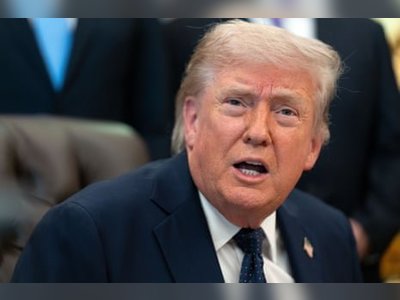
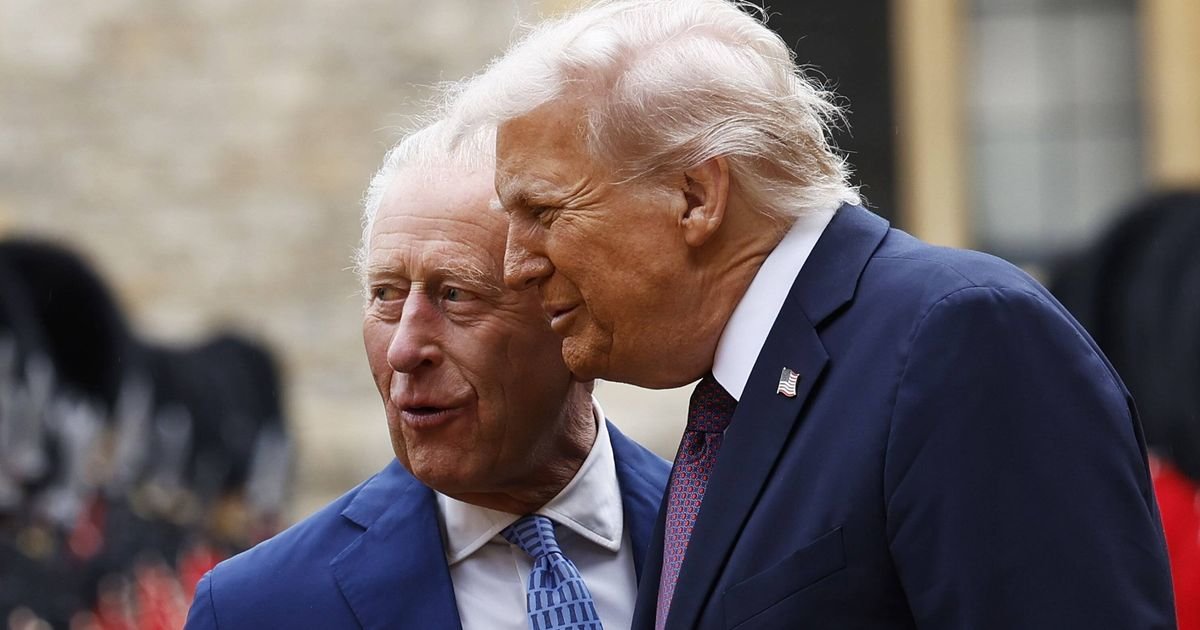
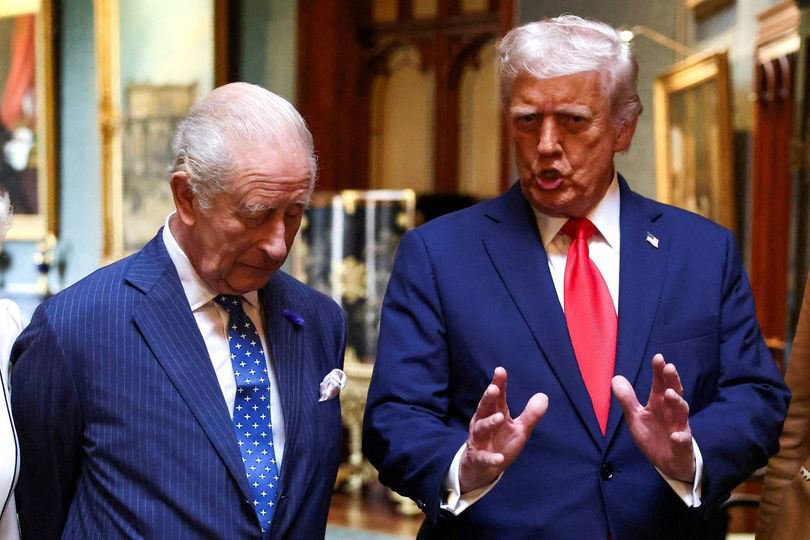
Former US president Donald Trump has said that a visit involving King Charles III could “absolutely” help improve relations between the United States and the United Kingdom, signalling support for the role of royal diplomacy in reinforcing transatlantic ties.
The remarks were made in an interview with the BBC, where Trump discussed the broader state of US–UK relations and the potential diplomatic value of high-level ceremonial engagement.
He framed a royal visit as a positive factor that could contribute to strengthening the long-standing alliance between the two countries.
What is confirmed is that Trump explicitly linked the idea of a visit involving the King to the prospect of improved bilateral relations, describing it in affirmative terms.
His comments reflect a broader pattern in which major state visits and royal engagements are used as symbolic instruments of diplomacy alongside formal government-to-government interactions.
The UK monarchy has historically played a ceremonial but influential role in international relations, with state visits often used to reinforce political and economic ties.
While executive authority in foreign policy rests with elected governments, royal engagements are frequently seen as supporting broader diplomatic messaging.
Trump’s remarks come against a backdrop of continued emphasis on the so-called “special relationship” between Washington and London, a term commonly used to describe close security, intelligence, and economic cooperation between the two countries.
What remains unclear is whether any specific visit is being planned or formally discussed in diplomatic channels.
No additional details were provided in the interview regarding timing, format, or official coordination between governments and the Royal Household.
The comments nonetheless highlight how personal diplomacy and symbolic state events continue to be referenced in discussions about international relations, even when no formal policy changes are immediately tied to them.
The remarks were made in an interview with the BBC, where Trump discussed the broader state of US–UK relations and the potential diplomatic value of high-level ceremonial engagement.
He framed a royal visit as a positive factor that could contribute to strengthening the long-standing alliance between the two countries.
What is confirmed is that Trump explicitly linked the idea of a visit involving the King to the prospect of improved bilateral relations, describing it in affirmative terms.
His comments reflect a broader pattern in which major state visits and royal engagements are used as symbolic instruments of diplomacy alongside formal government-to-government interactions.
The UK monarchy has historically played a ceremonial but influential role in international relations, with state visits often used to reinforce political and economic ties.
While executive authority in foreign policy rests with elected governments, royal engagements are frequently seen as supporting broader diplomatic messaging.
Trump’s remarks come against a backdrop of continued emphasis on the so-called “special relationship” between Washington and London, a term commonly used to describe close security, intelligence, and economic cooperation between the two countries.
What remains unclear is whether any specific visit is being planned or formally discussed in diplomatic channels.
No additional details were provided in the interview regarding timing, format, or official coordination between governments and the Royal Household.
The comments nonetheless highlight how personal diplomacy and symbolic state events continue to be referenced in discussions about international relations, even when no formal policy changes are immediately tied to them.