Trump Urges NATO to Hold Back as UK and France Lead Hormuz Shipping Protection Effort
Former US president criticizes alliance role while European powers advance plans to secure vital maritime trade route
Donald Trump has called on the North Atlantic Treaty Organization to refrain from involvement in efforts to protect commercial shipping in the Strait of Hormuz, describing the alliance as ineffective in handling such operations, as the United Kingdom and France move ahead with a separate defensive mission.
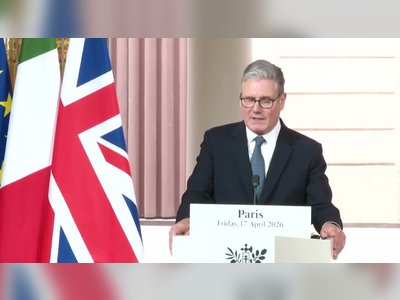
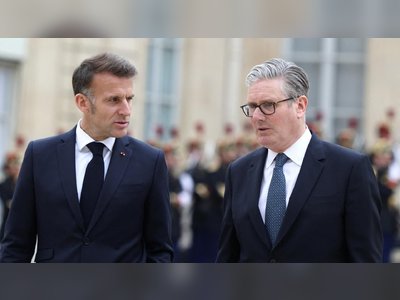
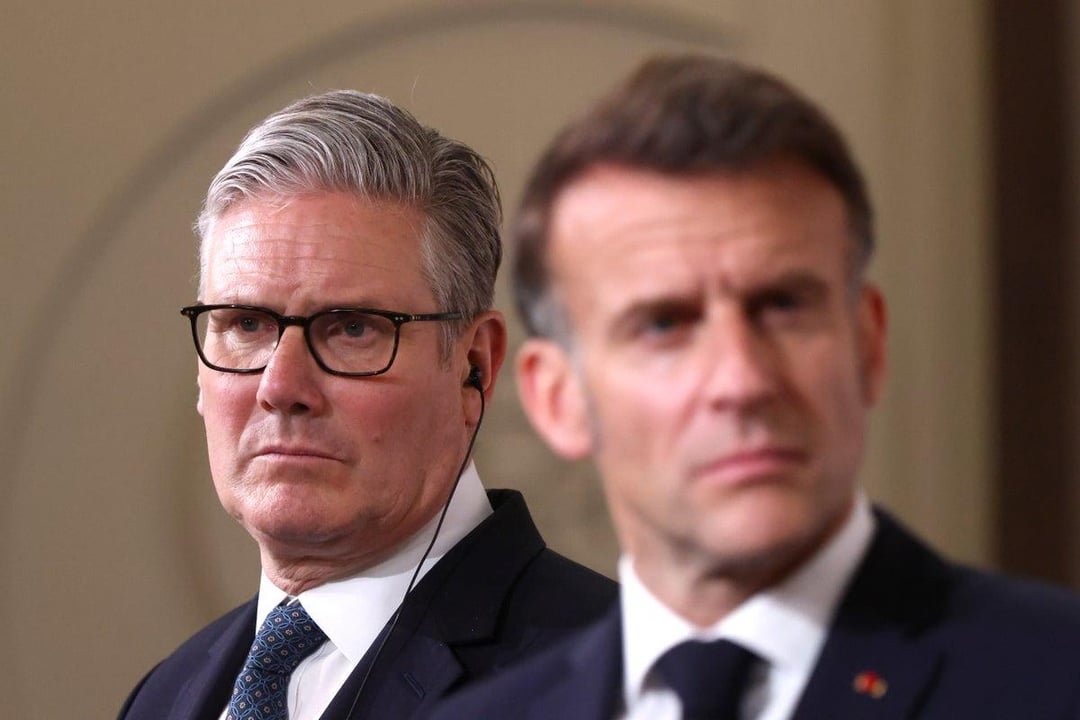
Trump’s remarks come as London and Paris finalize plans to lead a coalition aimed at safeguarding vessels transiting the strategically critical waterway, a route that carries a substantial share of global energy supplies.
The initiative is focused on ensuring the uninterrupted flow of commerce through the region amid heightened tensions linked to Iran.
In his comments, Trump emphasized that responsibility for maritime security in the area should be handled more decisively and efficiently, suggesting that existing NATO structures are not suited to the task.
His position reflects a longstanding view that allied nations should take clearer ownership of regional security challenges without overreliance on broader alliance mechanisms.
The UK and France have presented their proposed mission as a targeted, defensive effort, involving naval patrols, vessel monitoring, and potential escorts for commercial shipping.
Officials have stressed that the operation is designed to protect civilian trade and maintain stability rather than escalate military confrontation.
A number of countries have indicated interest in joining the mission, signaling growing international concern over the security of the Strait of Hormuz.
The route remains essential for global oil markets, and any disruption could have immediate economic consequences worldwide.
Trump’s intervention adds a political dimension to the evolving response, highlighting differing perspectives on how best to organize international security efforts.
While European partners pursue a coalition-based approach, his stance underscores the argument for streamlined, results-driven action led by capable nations directly engaged in the region.
As preparations for the mission continue, attention remains focused on how effectively participating countries can coordinate their efforts to ensure safe passage for shipping, while managing the broader geopolitical tensions that continue to shape the region.
Trump’s remarks come as London and Paris finalize plans to lead a coalition aimed at safeguarding vessels transiting the strategically critical waterway, a route that carries a substantial share of global energy supplies.
The initiative is focused on ensuring the uninterrupted flow of commerce through the region amid heightened tensions linked to Iran.
In his comments, Trump emphasized that responsibility for maritime security in the area should be handled more decisively and efficiently, suggesting that existing NATO structures are not suited to the task.
His position reflects a longstanding view that allied nations should take clearer ownership of regional security challenges without overreliance on broader alliance mechanisms.
The UK and France have presented their proposed mission as a targeted, defensive effort, involving naval patrols, vessel monitoring, and potential escorts for commercial shipping.
Officials have stressed that the operation is designed to protect civilian trade and maintain stability rather than escalate military confrontation.
A number of countries have indicated interest in joining the mission, signaling growing international concern over the security of the Strait of Hormuz.
The route remains essential for global oil markets, and any disruption could have immediate economic consequences worldwide.
Trump’s intervention adds a political dimension to the evolving response, highlighting differing perspectives on how best to organize international security efforts.
While European partners pursue a coalition-based approach, his stance underscores the argument for streamlined, results-driven action led by capable nations directly engaged in the region.
As preparations for the mission continue, attention remains focused on how effectively participating countries can coordinate their efforts to ensure safe passage for shipping, while managing the broader geopolitical tensions that continue to shape the region.