
UK Prime Minister Keir Starmer Brands Trump’s Afghanistan NATO Remarks ‘Insulting and Appalling’
Starmer condemns former US President Donald Trump’s suggestion that allied NATO troops stayed off front lines in Afghanistan, underscoring British sacrifices and urging respect for veterans
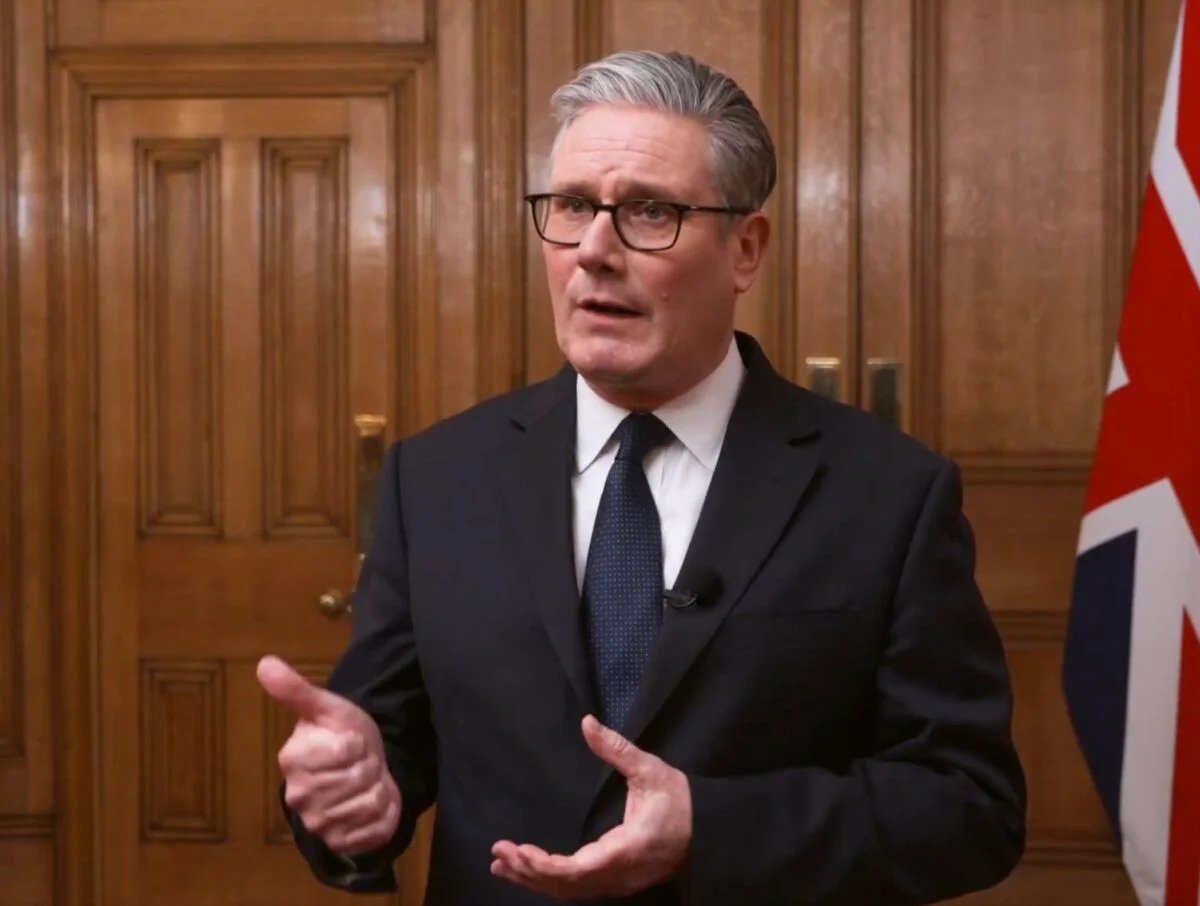
British Prime Minister Keir Starmer delivered a robust public rebuke of former United States President Donald Trump’s recent comments about the conduct of NATO forces during the Afghanistan war, describing them as “insulting and frankly appalling” and affirming the United Kingdom’s profound respect for the service and sacrifice of its military personnel.
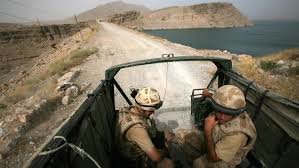
The criticism came after Mr Trump, in an interview while attending the World Economic Forum in Davos, asserted that non-US NATO troops “stayed a little back, a little off the front lines” during the conflict and questioned whether allied forces would support the United States if called upon in future conflicts.
Speaking from Downing Street, Starmer paid tribute to the 457 British service members who lost their lives in Afghanistan and to the many more who suffered life-changing injuries, emphasising that their courage and dedication should be acknowledged with accuracy and respect.
He suggested that if he had made a similar remark, he would “certainly apologise,” and he indicated that Mr Trump should consider doing the same, given the hurt the remarks have caused among veterans, their families and the wider public.
The UK government’s response was echoed by statements from Downing Street underscoring the historic strength of the UK–US alliance while rejecting any diminution of NATO’s role in Afghanistan, where forces from dozens of allied countries operated under the alliance’s collective defence mandate triggered after the September 11 attacks.
Across British politics, leaders from multiple parties joined in condemning Mr Trump’s characterisation of allied troops, and veterans’ groups voiced dismay at what they called an inaccurate portrayal of frontline service.
The backlash highlights the sensitivity surrounding interpretations of allied contribution in long-running conflicts and comes amid broader debates over transatlantic security co-operation and the enduring importance of collective defence commitments.
The criticism came after Mr Trump, in an interview while attending the World Economic Forum in Davos, asserted that non-US NATO troops “stayed a little back, a little off the front lines” during the conflict and questioned whether allied forces would support the United States if called upon in future conflicts.
Speaking from Downing Street, Starmer paid tribute to the 457 British service members who lost their lives in Afghanistan and to the many more who suffered life-changing injuries, emphasising that their courage and dedication should be acknowledged with accuracy and respect.
He suggested that if he had made a similar remark, he would “certainly apologise,” and he indicated that Mr Trump should consider doing the same, given the hurt the remarks have caused among veterans, their families and the wider public.
The UK government’s response was echoed by statements from Downing Street underscoring the historic strength of the UK–US alliance while rejecting any diminution of NATO’s role in Afghanistan, where forces from dozens of allied countries operated under the alliance’s collective defence mandate triggered after the September 11 attacks.
Across British politics, leaders from multiple parties joined in condemning Mr Trump’s characterisation of allied troops, and veterans’ groups voiced dismay at what they called an inaccurate portrayal of frontline service.
The backlash highlights the sensitivity surrounding interpretations of allied contribution in long-running conflicts and comes amid broader debates over transatlantic security co-operation and the enduring importance of collective defence commitments.











