0:00
0:00
UK Political Parties Divided Over Strategy as Iran Conflict Reshapes Foreign Policy Debate
Government and opposition figures weigh risks, alliances and domestic pressures as Britain navigates the escalating war involving Iran
Britain’s political parties are grappling with how to respond to the expanding conflict involving Iran, as the war reshapes the country’s foreign policy debate and exposes differences over military involvement, alliance commitments and economic consequences.
The Labour government has sought to balance support for key allies with caution about direct military participation.
Ministers have emphasised that Britain has not taken part in offensive strikes against Iran, while continuing to provide logistical and defensive support to partners in the region.
Officials argue that the government’s approach reflects the need to uphold international law, protect British personnel and maintain stability in a volatile region.
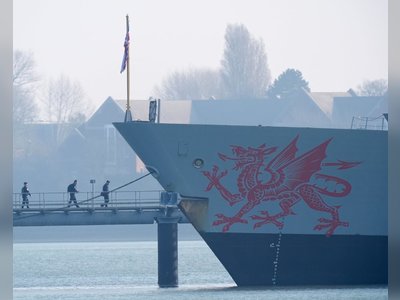
At the same time, the government has authorised defensive deployments and operational readiness measures, including the movement of naval and air assets to protect shipping lanes and assist with evacuation operations.
British bases and intelligence capabilities continue to support allied coordination during the crisis, reflecting the country’s longstanding strategic partnerships.
Opposition parties have responded with a mixture of criticism and caution.
Some political figures have argued that Britain should more clearly support its closest allies during a moment of heightened geopolitical tension, warning that hesitation risks weakening the credibility of the country’s global partnerships.
Others across the political spectrum have called for restraint and greater parliamentary scrutiny of any decision that could lead to direct military engagement.
These voices stress the importance of learning from previous Middle East interventions and ensuring that any future involvement is clearly justified and supported by a defined strategy.
The conflict has also intensified domestic debate about energy security and economic resilience.
Rising oil and gas prices linked to the crisis have revived concerns about Britain’s exposure to global energy shocks, with some policymakers urging accelerated investment in domestic energy production and infrastructure to reduce vulnerability.
Political analysts say the war presents both risks and opportunities for Britain’s leaders.
On one hand, it places pressure on the government to demonstrate international leadership while managing the dangers of escalation.
On the other, it offers a chance to redefine Britain’s role within alliances and reinforce diplomatic engagement with partners across Europe and the Middle East.
Public opinion remains cautious about deeper military involvement, reflecting widespread concern about the potential for a broader regional war.
At the same time, many voters expect the government to maintain strong security cooperation with allies and safeguard global shipping routes that are critical to international trade.
As the conflict evolves, Britain’s political parties are likely to continue debating how far the country should go in supporting allied operations, highlighting the complex balance between strategic alliances, domestic political considerations and the risks of further escalation in the Middle East.
The Labour government has sought to balance support for key allies with caution about direct military participation.
Ministers have emphasised that Britain has not taken part in offensive strikes against Iran, while continuing to provide logistical and defensive support to partners in the region.
Officials argue that the government’s approach reflects the need to uphold international law, protect British personnel and maintain stability in a volatile region.
At the same time, the government has authorised defensive deployments and operational readiness measures, including the movement of naval and air assets to protect shipping lanes and assist with evacuation operations.
British bases and intelligence capabilities continue to support allied coordination during the crisis, reflecting the country’s longstanding strategic partnerships.
Opposition parties have responded with a mixture of criticism and caution.
Some political figures have argued that Britain should more clearly support its closest allies during a moment of heightened geopolitical tension, warning that hesitation risks weakening the credibility of the country’s global partnerships.
Others across the political spectrum have called for restraint and greater parliamentary scrutiny of any decision that could lead to direct military engagement.
These voices stress the importance of learning from previous Middle East interventions and ensuring that any future involvement is clearly justified and supported by a defined strategy.
The conflict has also intensified domestic debate about energy security and economic resilience.
Rising oil and gas prices linked to the crisis have revived concerns about Britain’s exposure to global energy shocks, with some policymakers urging accelerated investment in domestic energy production and infrastructure to reduce vulnerability.
Political analysts say the war presents both risks and opportunities for Britain’s leaders.
On one hand, it places pressure on the government to demonstrate international leadership while managing the dangers of escalation.
On the other, it offers a chance to redefine Britain’s role within alliances and reinforce diplomatic engagement with partners across Europe and the Middle East.
Public opinion remains cautious about deeper military involvement, reflecting widespread concern about the potential for a broader regional war.
At the same time, many voters expect the government to maintain strong security cooperation with allies and safeguard global shipping routes that are critical to international trade.
As the conflict evolves, Britain’s political parties are likely to continue debating how far the country should go in supporting allied operations, highlighting the complex balance between strategic alliances, domestic political considerations and the risks of further escalation in the Middle East.