UK Reduces Western Balkans Aid by Forty Percent Amid Broader Overseas Spending Overhaul
Funds aimed at countering Russian influence and supporting democratic resilience in southeast Europe are sharply cut as London reshapes its foreign aid priorities
The United Kingdom government has sharply reduced the amount of overseas aid dedicated to countering Russian influence and supporting stability in the Western Balkans, part of a broader reconfiguration of its international assistance budget.
For the 2025-26 financial year, funding through the UK’s Integrated Security Fund for programmes in the Western Balkans has been cut by approximately forty percent, declining from around forty million pounds last year to roughly twenty-four million pounds under the new allocations.
The reduction in Official Development Assistance from the ISF for the region also fell from thirty-one point nine one million pounds to seventeen million pounds under the government’s revised figures, reflecting broader fiscal adjustments within Britain’s overseas aid programme.
Prime Minister Sir Keir Starmer has led a government drive to restructure the United Kingdom’s foreign aid architecture, including reducing the overall Official Development Assistance target from 0.5 percent of gross national income to 0.3 percent by 2027. Officials stress that while this has resulted in lower allocations for some long-running regional programmes, other aspects of the UK’s investment in organised crime, hybrid threats and security cooperation remain active though not fully captured in headline aid figures.
They have also emphasised that the Integrated Security Fund is designed to adapt to shifting national security priorities and may support shorter-term and bespoke engagements in different areas.
Critics of the cuts, including parliamentary figures and non-governmental organisations engaged in conflict prevention and democratic support, say the reductions come at a sensitive time for the Western Balkans.
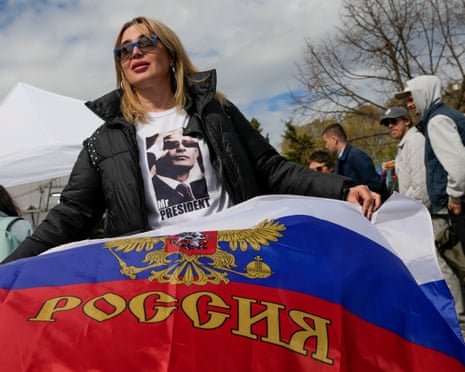
Russia’s ongoing efforts to extend its geopolitical reach through disinformation campaigns, political leverage and historical ties have been widely documented by European institutions and analysts, making the region a focal point in the contest between Western and Russian influence in Europe’s southeastern flank.
Advocates for sustained funding emphasise that UK support for independent media, democratic institutions and resilience to external political pressure remains crucial, especially as the region continues its long-term integration with European and transatlantic institutions.
The British government has defended its approach by pointing to evolving national security imperatives and the need to prioritise resources across a range of global challenges.
However, the cuts in Western Balkans programming illustrate the complex trade-offs facing London as it balances defence commitments, diplomatic aims and development objectives amid shifting geopolitical dynamics.
With further aid reductions planned in coming years, how the UK maintains its strategic partnerships and influence across southeast Europe will remain a subject of political and strategic debate in Westminster and beyond.
For the 2025-26 financial year, funding through the UK’s Integrated Security Fund for programmes in the Western Balkans has been cut by approximately forty percent, declining from around forty million pounds last year to roughly twenty-four million pounds under the new allocations.
The reduction in Official Development Assistance from the ISF for the region also fell from thirty-one point nine one million pounds to seventeen million pounds under the government’s revised figures, reflecting broader fiscal adjustments within Britain’s overseas aid programme.
Prime Minister Sir Keir Starmer has led a government drive to restructure the United Kingdom’s foreign aid architecture, including reducing the overall Official Development Assistance target from 0.5 percent of gross national income to 0.3 percent by 2027. Officials stress that while this has resulted in lower allocations for some long-running regional programmes, other aspects of the UK’s investment in organised crime, hybrid threats and security cooperation remain active though not fully captured in headline aid figures.
They have also emphasised that the Integrated Security Fund is designed to adapt to shifting national security priorities and may support shorter-term and bespoke engagements in different areas.
Critics of the cuts, including parliamentary figures and non-governmental organisations engaged in conflict prevention and democratic support, say the reductions come at a sensitive time for the Western Balkans.
Russia’s ongoing efforts to extend its geopolitical reach through disinformation campaigns, political leverage and historical ties have been widely documented by European institutions and analysts, making the region a focal point in the contest between Western and Russian influence in Europe’s southeastern flank.
Advocates for sustained funding emphasise that UK support for independent media, democratic institutions and resilience to external political pressure remains crucial, especially as the region continues its long-term integration with European and transatlantic institutions.
The British government has defended its approach by pointing to evolving national security imperatives and the need to prioritise resources across a range of global challenges.
However, the cuts in Western Balkans programming illustrate the complex trade-offs facing London as it balances defence commitments, diplomatic aims and development objectives amid shifting geopolitical dynamics.
With further aid reductions planned in coming years, how the UK maintains its strategic partnerships and influence across southeast Europe will remain a subject of political and strategic debate in Westminster and beyond.