UK retail sales fall sharply as fuel demand plunges in cost-driven slowdown
Sales volumes dropped 1.3% in April — the steepest decline in nearly a year — driven by a sharp fall in petrol purchases after March’s stockpiling surge
SYSTEM-DRIVEN — UK retail performance is being shaped by shifting energy costs, consumer price sensitivity, and the interaction between inflation and household spending behaviour rather than any single retail sector shock.
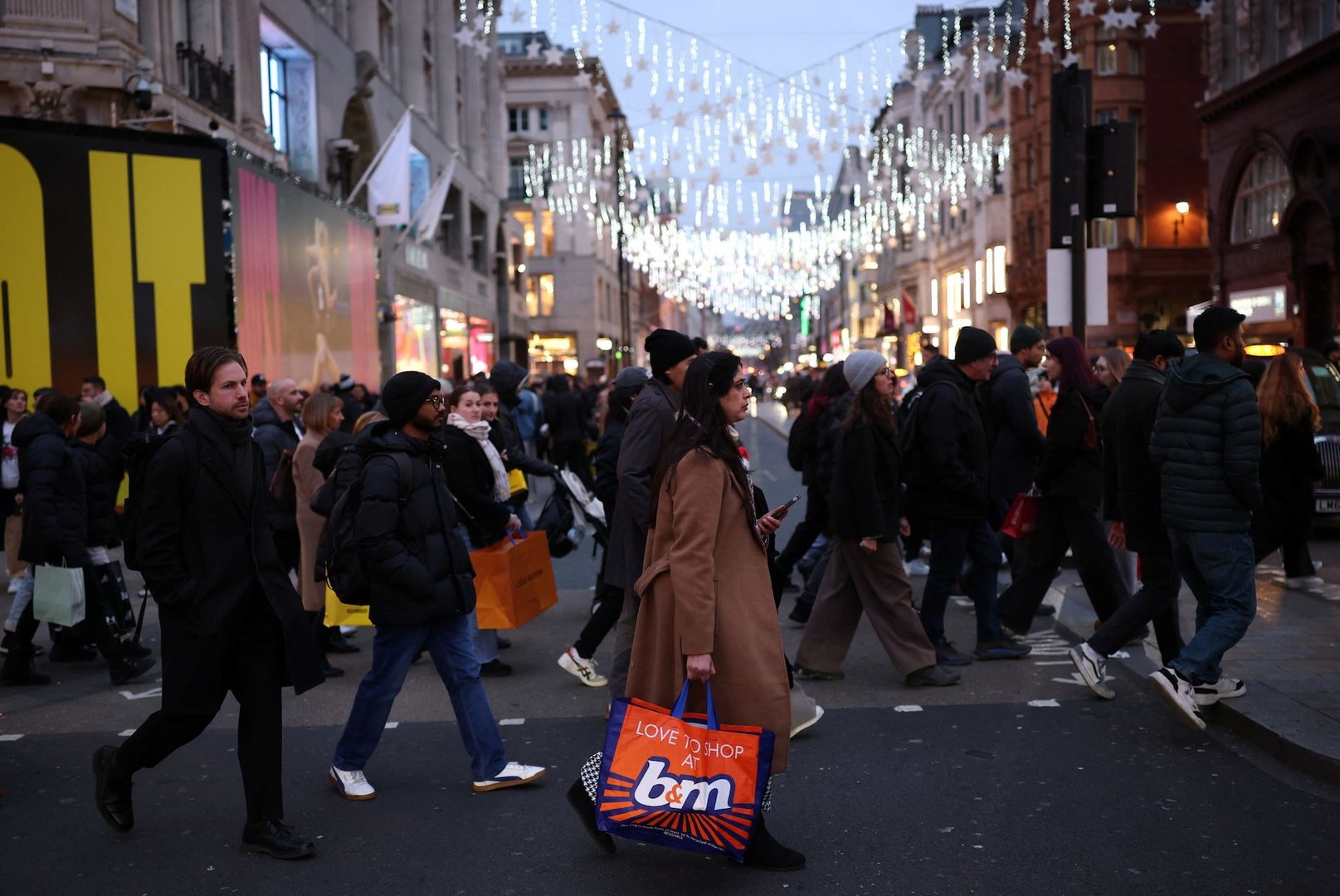
UK retail sales fell sharply in April, marking the biggest monthly decline in nearly a year and highlighting how volatile fuel costs and cautious household spending are reshaping consumption patterns.
Official figures show total retail sales volumes dropped by 1.3% compared with March, a significantly steeper fall than economists had expected and the weakest reading since May of the previous year.
The main driver of the downturn was motor fuel.
Petrol and diesel sales plunged by more than 10% in April, the largest monthly drop since the early pandemic period.
This followed a contrasting spike in March, when drivers increased fuel purchases amid rising prices and geopolitical tensions, effectively pulling demand forward.
In April, that surge reversed as households reduced discretionary travel and adjusted spending after the earlier stockpiling.
Excluding fuel, retail sales also declined, though by a more modest 0.4%.
This suggests the weakness was not confined to petrol stations but reflected broader caution among consumers.
Clothing and non-food stores recorded weaker demand, with fashion sales particularly affected by unpredictable weather conditions and subdued consumer confidence.
Food sales, by contrast, showed modest growth, underscoring a shift toward essential spending.
The decline comes against a backdrop of persistent pressure on UK households.
Higher energy costs, elevated interest rates, and ongoing uncertainty linked to global geopolitical tensions have continued to weigh on disposable incomes.
Retailers have reported increasingly selective spending behaviour, with consumers prioritising essentials and delaying larger discretionary purchases.
Despite the monthly drop, a broader three-month view shows a more stable picture, with sales still slightly higher than in the previous quarter.
This indicates that the downturn is not yet a sustained contraction, but rather a sharp correction following unusually strong fuel-driven activity in March.
Economists interpret the latest data as evidence of a fragile consumption environment rather than a decisive downturn.
Retail demand remains highly sensitive to fuel price movements, and short-term swings in energy costs are now having outsized effects on headline spending figures.
That volatility complicates assessments of underlying economic strength, particularly for policymakers monitoring inflation and growth trends.
The latest figures reinforce a broader pattern in the UK economy: household spending is becoming more defensive, concentrated in essentials, and heavily influenced by energy prices.
That shift is likely to continue shaping retail performance in the coming months as consumers adjust to sustained cost pressures.
UK retail sales fell sharply in April, marking the biggest monthly decline in nearly a year and highlighting how volatile fuel costs and cautious household spending are reshaping consumption patterns.
Official figures show total retail sales volumes dropped by 1.3% compared with March, a significantly steeper fall than economists had expected and the weakest reading since May of the previous year.
The main driver of the downturn was motor fuel.
Petrol and diesel sales plunged by more than 10% in April, the largest monthly drop since the early pandemic period.
This followed a contrasting spike in March, when drivers increased fuel purchases amid rising prices and geopolitical tensions, effectively pulling demand forward.
In April, that surge reversed as households reduced discretionary travel and adjusted spending after the earlier stockpiling.
Excluding fuel, retail sales also declined, though by a more modest 0.4%.
This suggests the weakness was not confined to petrol stations but reflected broader caution among consumers.
Clothing and non-food stores recorded weaker demand, with fashion sales particularly affected by unpredictable weather conditions and subdued consumer confidence.
Food sales, by contrast, showed modest growth, underscoring a shift toward essential spending.
The decline comes against a backdrop of persistent pressure on UK households.
Higher energy costs, elevated interest rates, and ongoing uncertainty linked to global geopolitical tensions have continued to weigh on disposable incomes.
Retailers have reported increasingly selective spending behaviour, with consumers prioritising essentials and delaying larger discretionary purchases.
Despite the monthly drop, a broader three-month view shows a more stable picture, with sales still slightly higher than in the previous quarter.
This indicates that the downturn is not yet a sustained contraction, but rather a sharp correction following unusually strong fuel-driven activity in March.
Economists interpret the latest data as evidence of a fragile consumption environment rather than a decisive downturn.
Retail demand remains highly sensitive to fuel price movements, and short-term swings in energy costs are now having outsized effects on headline spending figures.
That volatility complicates assessments of underlying economic strength, particularly for policymakers monitoring inflation and growth trends.
The latest figures reinforce a broader pattern in the UK economy: household spending is becoming more defensive, concentrated in essentials, and heavily influenced by energy prices.
That shift is likely to continue shaping retail performance in the coming months as consumers adjust to sustained cost pressures.