UK’s Starmer Says United States Must Justify Its Actions in Venezuela Amid Global Debate
British prime minister stresses international law and calls for a peaceful transition while distancing London from U.S. military operation
British Prime Minister Sir Keir Starmer has stated that it is for the United States to justify its recent actions in Venezuela, as international concern grows over the extraordinary U.S. military operation that resulted in the capture of President Nicolás Maduro.
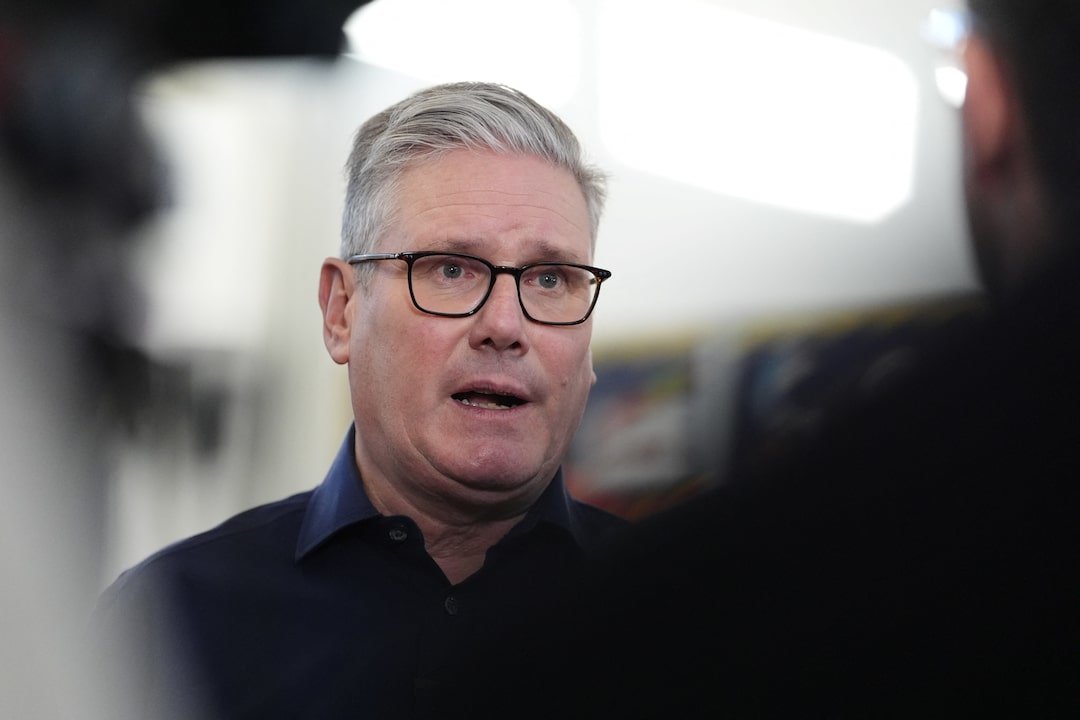
Speaking to reporters in London, Starmer described the situation as complex and emphasised that international law provides the framework by which governments’ conduct should be evaluated, urging Washington to explain its legal basis for the intervention.
Starmer noted that the United Kingdom was not involved in the U.S. action and underscored Britain’s long-standing position that Venezuela’s governance should transition peacefully towards democracy.
He reaffirmed that international law serves as the “anchor or benchmark” for assessing state behaviour, reflecting a cautious diplomatic approach amid a fast-moving crisis.
The prime minister’s comments follow Washington’s announcement that U.S. forces captured Maduro and transferred him to New York to face drug-trafficking charges, a move that has prompted widespread global debate about the legality and implications of the intervention.
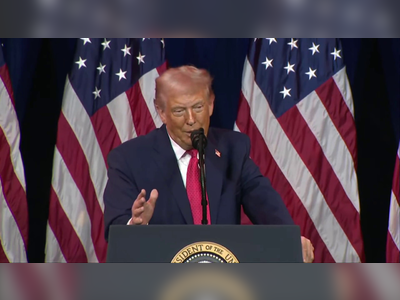
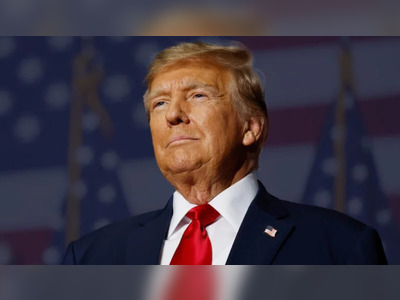
Starmer indicated that further developments were unfolding and that he intended to consult with President Donald Trump and allied leaders to gain a comprehensive understanding of the situation.
While underscoring the importance of respecting international law, Starmer’s office also reiterated Britain’s consistent view that Maduro’s government lacked legitimacy and that a peaceful transition was desirable.
He resisted direct comparisons between the U.S. operation and other conflicts such as Russia’s invasion of Ukraine, noting significant differences in context and legal standing.
The prime minister’s remarks come amid intense scrutiny at home, with opposition figures and commentators debating the British government’s position and calling for clarity on legal interpretations of the U.S. action.
Speaking to reporters in London, Starmer described the situation as complex and emphasised that international law provides the framework by which governments’ conduct should be evaluated, urging Washington to explain its legal basis for the intervention.
Starmer noted that the United Kingdom was not involved in the U.S. action and underscored Britain’s long-standing position that Venezuela’s governance should transition peacefully towards democracy.
He reaffirmed that international law serves as the “anchor or benchmark” for assessing state behaviour, reflecting a cautious diplomatic approach amid a fast-moving crisis.
The prime minister’s comments follow Washington’s announcement that U.S. forces captured Maduro and transferred him to New York to face drug-trafficking charges, a move that has prompted widespread global debate about the legality and implications of the intervention.
Starmer indicated that further developments were unfolding and that he intended to consult with President Donald Trump and allied leaders to gain a comprehensive understanding of the situation.
While underscoring the importance of respecting international law, Starmer’s office also reiterated Britain’s consistent view that Maduro’s government lacked legitimacy and that a peaceful transition was desirable.
He resisted direct comparisons between the U.S. operation and other conflicts such as Russia’s invasion of Ukraine, noting significant differences in context and legal standing.
The prime minister’s remarks come amid intense scrutiny at home, with opposition figures and commentators debating the British government’s position and calling for clarity on legal interpretations of the U.S. action.