UK to Double Troops in Norway as Part of Wider Effort to Strengthen Northern Defence Against Russia
Britain pledges a major expansion of its military presence in Norway and enhanced NATO cooperation to deter rising Russian activity in the Arctic and High North
The United Kingdom has announced a substantial increase in its military presence in Norway over the next three years, underscoring London’s strategic response to what officials describe as an intensifying Russian threat in the Arctic and the High North.
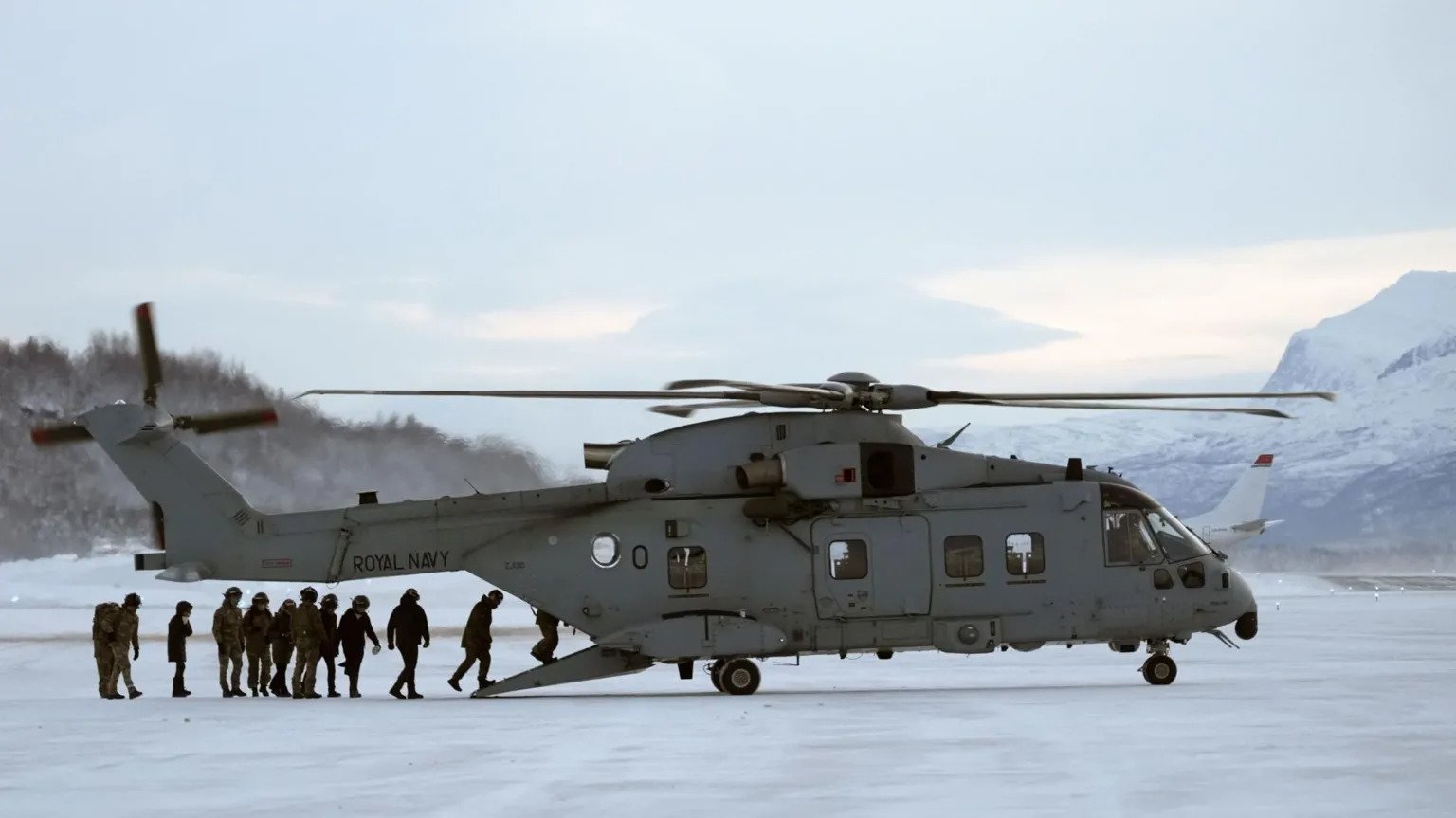
Defence Secretary John Healey confirmed that the number of British troops deployed to Norway will double from about one thousand to two thousand personnel as part of efforts to enhance regional security and deter Moscow’s expanding military footprint.
The decision, framed in government statements as strengthening both national and allied defence, aligns with heightened concern among NATO members about Russia’s re-establishment of military capabilities in the far north, including the reopening of former Cold War facilities and increased submarine and naval activity.
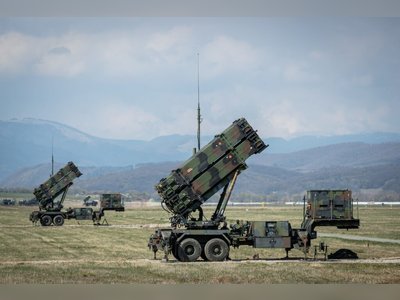
The expanded deployment will see British forces take on a “vital part” in NATO’s newly launched Arctic Sentry initiative, a coordinated effort to unify allied military activities in the High North under a shared command and enhance situational awareness and deterrence in the region.
As part of this push, the UK will participate in major exercises such as Exercise Cold Response in March, involving around fifteen hundred Royal Marine Commandos, and Exercise Lion Protector later in the year through the United Kingdom-led Joint Expeditionary Force, which brings together units from Nordic, Baltic and other allied states for integrated air, land and naval operations.
Officials highlighted that the expanded presence builds on existing cooperation under the Lunna House agreement with Norway, which includes joint operation of anti-submarine Type 26 frigates and increased interoperability of forces to patrol critical maritime approaches such as the Greenland-Iceland-United Kingdom gap.
British defence planners have also emphasised the importance of protecting undersea infrastructure, including communications cables and energy links that are considered strategically vital for both military operations and economic security.
The UK’s commitment to boosting troop numbers in Norway comes as part of a broader defence strategy that also involves increased training, joint planning with NATO partners and deeper integration into regional deterrence postures.
In reiterated statements, Mr Healey and allied counterparts have described Russia as posing “the greatest threat to Arctic and High North security” seen since the Cold War, necessitating a robust and unified response from NATO members.
While Britain’s stepped-up presence aims to reassure both domestic and allied audiences of sustained commitment to collective security, it also reflects a shifting geopolitical environment in which Arctic routes, natural resources and northern maritime approaches have taken on heightened strategic significance.
As London prepares to discuss these measures with NATO defence ministers in Brussels, the UK’s bolstered deployment in Norway signals a long-term investment in northern defence and a deterrence posture designed to respond to evolving Russian military ambitions in the region.
Defence Secretary John Healey confirmed that the number of British troops deployed to Norway will double from about one thousand to two thousand personnel as part of efforts to enhance regional security and deter Moscow’s expanding military footprint.
The decision, framed in government statements as strengthening both national and allied defence, aligns with heightened concern among NATO members about Russia’s re-establishment of military capabilities in the far north, including the reopening of former Cold War facilities and increased submarine and naval activity.
The expanded deployment will see British forces take on a “vital part” in NATO’s newly launched Arctic Sentry initiative, a coordinated effort to unify allied military activities in the High North under a shared command and enhance situational awareness and deterrence in the region.
As part of this push, the UK will participate in major exercises such as Exercise Cold Response in March, involving around fifteen hundred Royal Marine Commandos, and Exercise Lion Protector later in the year through the United Kingdom-led Joint Expeditionary Force, which brings together units from Nordic, Baltic and other allied states for integrated air, land and naval operations.
Officials highlighted that the expanded presence builds on existing cooperation under the Lunna House agreement with Norway, which includes joint operation of anti-submarine Type 26 frigates and increased interoperability of forces to patrol critical maritime approaches such as the Greenland-Iceland-United Kingdom gap.
British defence planners have also emphasised the importance of protecting undersea infrastructure, including communications cables and energy links that are considered strategically vital for both military operations and economic security.
The UK’s commitment to boosting troop numbers in Norway comes as part of a broader defence strategy that also involves increased training, joint planning with NATO partners and deeper integration into regional deterrence postures.
In reiterated statements, Mr Healey and allied counterparts have described Russia as posing “the greatest threat to Arctic and High North security” seen since the Cold War, necessitating a robust and unified response from NATO members.
While Britain’s stepped-up presence aims to reassure both domestic and allied audiences of sustained commitment to collective security, it also reflects a shifting geopolitical environment in which Arctic routes, natural resources and northern maritime approaches have taken on heightened strategic significance.
As London prepares to discuss these measures with NATO defence ministers in Brussels, the UK’s bolstered deployment in Norway signals a long-term investment in northern defence and a deterrence posture designed to respond to evolving Russian military ambitions in the region.