
UK Voices Resilience After Trump’s NATO Afghanistan Comments, Stressing Enduring Respect for Allied Sacrifice
Widespread letters and public responses underline that remarks questioning the role of NATO and British troops in Afghanistan will be remembered and shape transatlantic discourse
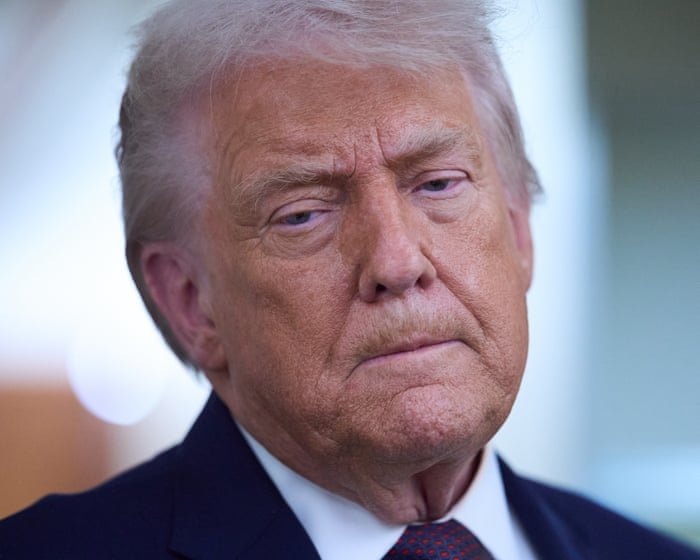
A wave of letters and public reflections across British media and veteran circles emphasise that former U.S. President Donald Trump’s remarks about the deployment of UK and NATO troops in Afghanistan have struck a lasting chord in the United Kingdom and will not be soon forgotten.
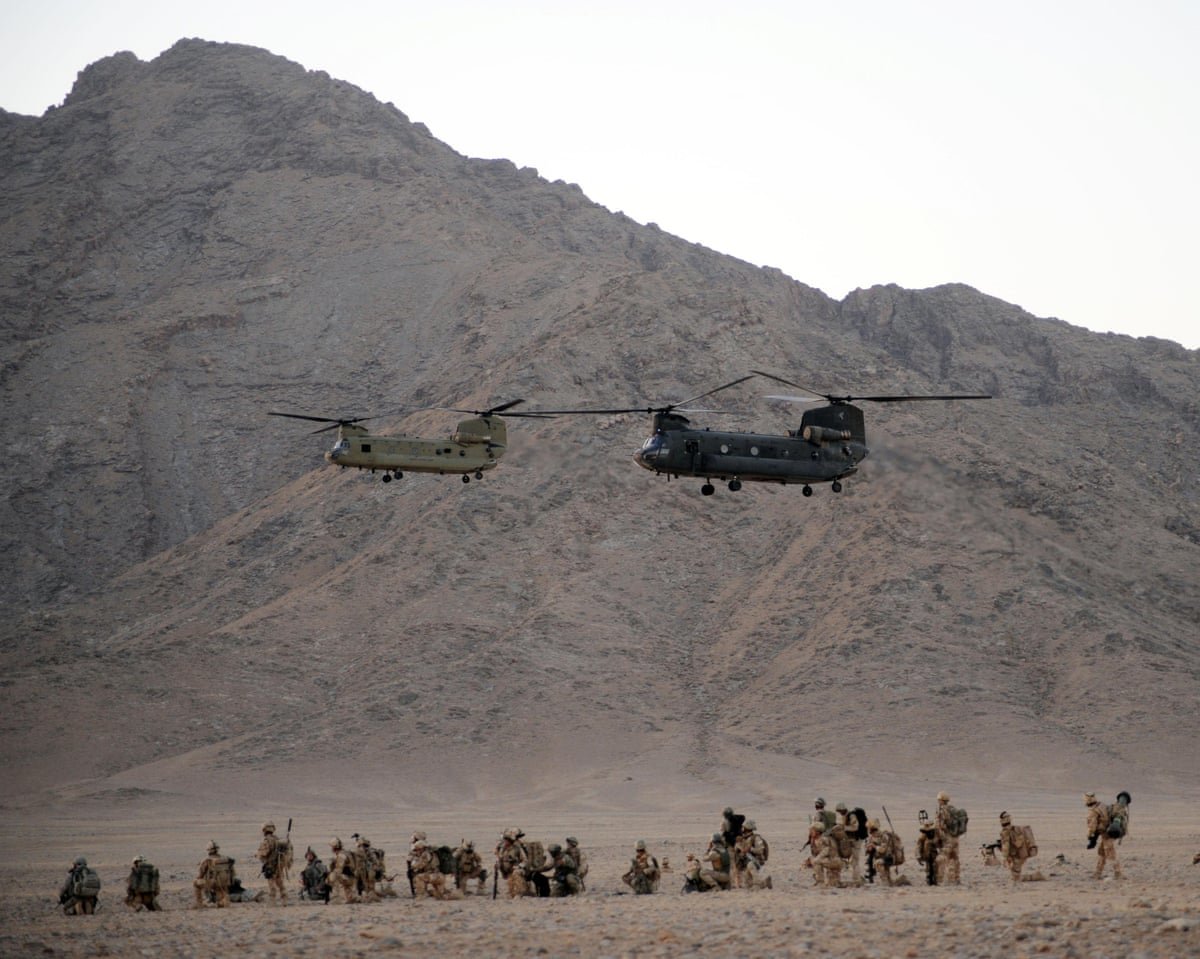
The comments, in which Trump suggested that allied forces ‘‘stayed a little back, a little off the frontlines,’’ provoked deep hurt among former service members, families of the fallen and members of the public, many of whom responded directly through published letters and open statements defending the historic record of coalition sacrifice.
Respondents recounted firsthand and familial experiences that underscored the extensive frontline commitment of British and allied forces during the Afghanistan conflict, challenging the characterisation attributed to Trump’s comments.
One letter from a retired U.S. Navy senior chief petty officer spoke of camaraderie and mutual respect forged in joint operations, arguing that Trump’s remarks do not reflect the views of most Americans or those who served alongside NATO partners.
Another correspondent reflected on how the erosion of allied cooperation, as perceived in the remarks, is disheartening to those who view longstanding security partnerships as central to collective defence.
Critics of Trump’s characterisation further urged dignified remembrance and practical acknowledgement of the sacrifices made by UK military personnel, including more than 457 British troop fatalities in Afghanistan, the second-highest toll among the coalition.
Calls for a more thoughtful engagement with military history were prominent, with one letter urging Trump to visit the United Kingdom’s National Memorial Arboretum as a gesture of respect and a means to confront the magnitude of allied sacrifices.
Across the discourse, public sentiment highlighted how comments that appeared dismissive of allied contributions can reverberate beyond immediate political contexts and impact perceptions of transatlantic solidarity.
At the same time, public responses have emphasised that respect for fallen soldiers and veterans transcends political divisions, with writers reiterating the importance of acknowledging frontline service and coalition cooperation.
The extensive correspondence on the topic reflects a broader public engagement with questions of historical memory, alliance commitment and collective defence, even as official diplomatic channels work to maintain underlying strategic ties.
By foregrounding personal experiences alongside historical record, these letters capture the enduring significance of shared sacrifice and underline the strong emotional connection the British public retains with the narrative of joint military effort in defence of common security objectives.
The comments, in which Trump suggested that allied forces ‘‘stayed a little back, a little off the frontlines,’’ provoked deep hurt among former service members, families of the fallen and members of the public, many of whom responded directly through published letters and open statements defending the historic record of coalition sacrifice.
Respondents recounted firsthand and familial experiences that underscored the extensive frontline commitment of British and allied forces during the Afghanistan conflict, challenging the characterisation attributed to Trump’s comments.
One letter from a retired U.S. Navy senior chief petty officer spoke of camaraderie and mutual respect forged in joint operations, arguing that Trump’s remarks do not reflect the views of most Americans or those who served alongside NATO partners.
Another correspondent reflected on how the erosion of allied cooperation, as perceived in the remarks, is disheartening to those who view longstanding security partnerships as central to collective defence.
Critics of Trump’s characterisation further urged dignified remembrance and practical acknowledgement of the sacrifices made by UK military personnel, including more than 457 British troop fatalities in Afghanistan, the second-highest toll among the coalition.
Calls for a more thoughtful engagement with military history were prominent, with one letter urging Trump to visit the United Kingdom’s National Memorial Arboretum as a gesture of respect and a means to confront the magnitude of allied sacrifices.
Across the discourse, public sentiment highlighted how comments that appeared dismissive of allied contributions can reverberate beyond immediate political contexts and impact perceptions of transatlantic solidarity.
At the same time, public responses have emphasised that respect for fallen soldiers and veterans transcends political divisions, with writers reiterating the importance of acknowledging frontline service and coalition cooperation.
The extensive correspondence on the topic reflects a broader public engagement with questions of historical memory, alliance commitment and collective defence, even as official diplomatic channels work to maintain underlying strategic ties.
By foregrounding personal experiences alongside historical record, these letters capture the enduring significance of shared sacrifice and underline the strong emotional connection the British public retains with the narrative of joint military effort in defence of common security objectives.











