US and UK Aircraft Monitor Russian-Flagged Tanker Linked to Venezuelan Oil Sanctions
A reflagged oil tanker formerly tied to Venezuelan and Iranian shipments is being tracked over the North Atlantic as Washington weighs potential interdiction
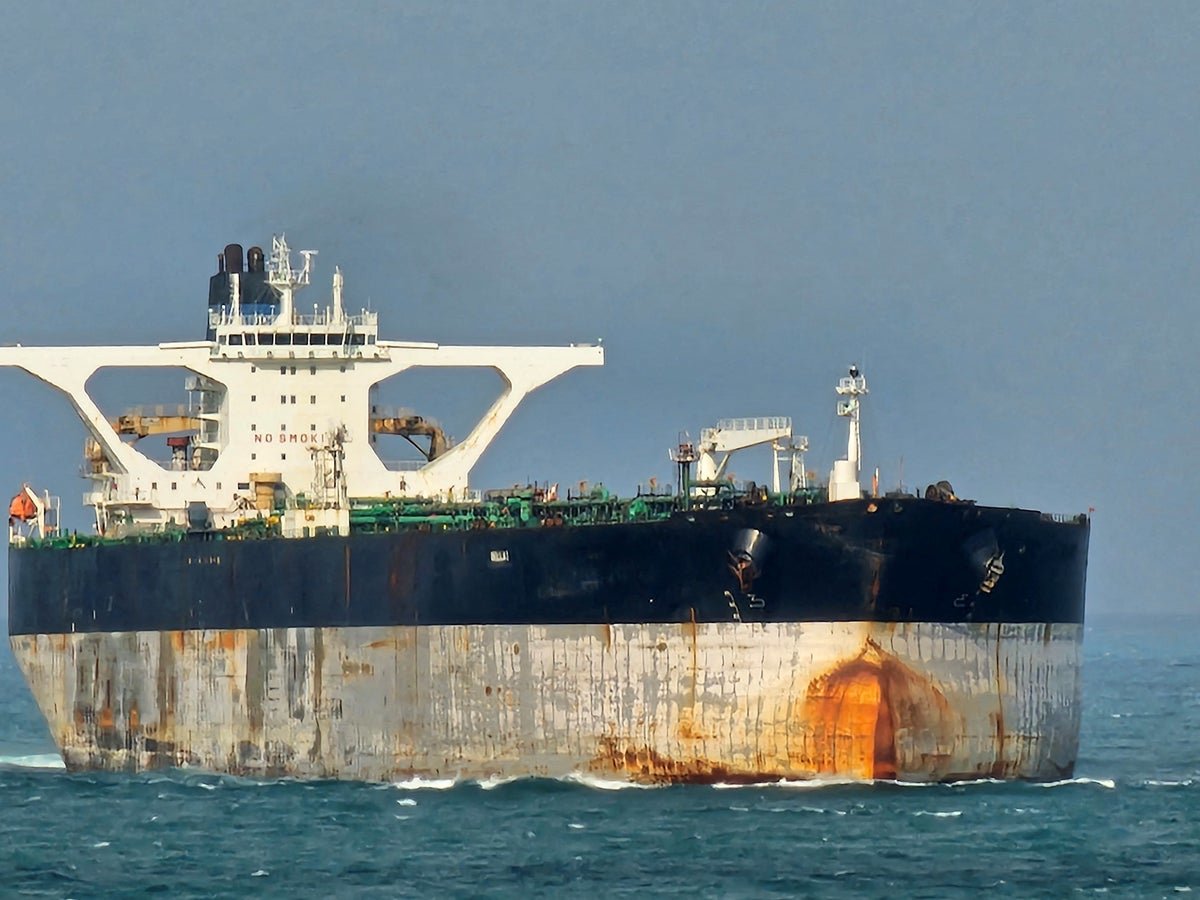
Military aircraft from the United States, the United Kingdom and allied nations are tracking an oil tanker now flying a Russian flag in the North Atlantic Ocean, following its evasive manoeuvres to avoid capture after a US-led sanctions enforcement campaign targeting Venezuelan oil exports.
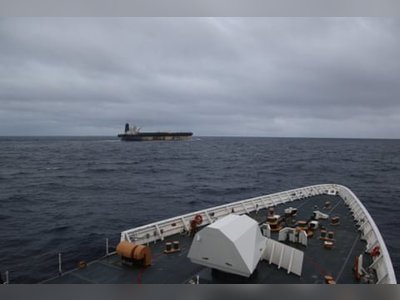
The vessel, originally known as Bella 1 and now registered as Marinera under Russian jurisdiction, has been monitored as it heads north after refusing to allow a US Coast Guard boarding attempt near Venezuelan waters in late December.
The unusual surveillance activity underscores rising tensions over sanctions enforcement and indicates close UK-US cooperation on maritime tracking operations involving sanctioned entities.
The tanker’s history dates to repeated attempts by the United States to interdict shipments of oil that Washington says help finance adversarial actors and evade sanctions.
When US authorities tried to board the ship near Venezuela in December 2025, its crew rebuffed the approach and turned back into the Atlantic, prompting Washington to continue monitoring its course as it sailed away from the Caribbean.
In recent days, the vessel’s official registration and flag state have changed, with records listing it as owned by a Russian company based in Sochi and flying the Russian flag — a move that could complicate potential US seizure efforts.
Aircraft from the US and allied air forces, including surveillance platforms, have been flying missions in the area where the tanker was last tracked, according to military tracking data.
UK defence officials have declined to comment on specific flights or operations, but acknowledged that routine airspace monitoring is ongoing.
The presence of multiple NATO surveillance assets reflects broader concern among Western capitals about “shadow fleet” vessels that shift identities and flags to transport sanctioned oil cargoes, often bypassing maritime restrictions.
Legal experts say that the vessel’s recent reflagging may be subject to scrutiny under international maritime law, particularly if the original attempt to fly a false flag is judged invalid.
The US government continues to evaluate its options regarding the tanker, which has no cargo aboard and is being tracked as it moves through international waters.
The operation forms part of a wider campaign by Washington to enforce sanctions on Venezuela’s oil sector and cut off revenue streams deemed critical to supporters of the Maduro regime, even as diplomatic sensitivities rise with Moscow over the vessel’s asserted nationality.
The vessel, originally known as Bella 1 and now registered as Marinera under Russian jurisdiction, has been monitored as it heads north after refusing to allow a US Coast Guard boarding attempt near Venezuelan waters in late December.
The unusual surveillance activity underscores rising tensions over sanctions enforcement and indicates close UK-US cooperation on maritime tracking operations involving sanctioned entities.
The tanker’s history dates to repeated attempts by the United States to interdict shipments of oil that Washington says help finance adversarial actors and evade sanctions.
When US authorities tried to board the ship near Venezuela in December 2025, its crew rebuffed the approach and turned back into the Atlantic, prompting Washington to continue monitoring its course as it sailed away from the Caribbean.
In recent days, the vessel’s official registration and flag state have changed, with records listing it as owned by a Russian company based in Sochi and flying the Russian flag — a move that could complicate potential US seizure efforts.
Aircraft from the US and allied air forces, including surveillance platforms, have been flying missions in the area where the tanker was last tracked, according to military tracking data.
UK defence officials have declined to comment on specific flights or operations, but acknowledged that routine airspace monitoring is ongoing.
The presence of multiple NATO surveillance assets reflects broader concern among Western capitals about “shadow fleet” vessels that shift identities and flags to transport sanctioned oil cargoes, often bypassing maritime restrictions.
Legal experts say that the vessel’s recent reflagging may be subject to scrutiny under international maritime law, particularly if the original attempt to fly a false flag is judged invalid.
The US government continues to evaluate its options regarding the tanker, which has no cargo aboard and is being tracked as it moves through international waters.
The operation forms part of a wider campaign by Washington to enforce sanctions on Venezuela’s oil sector and cut off revenue streams deemed critical to supporters of the Maduro regime, even as diplomatic sensitivities rise with Moscow over the vessel’s asserted nationality.